How to Propagate Butlers sandparsley?
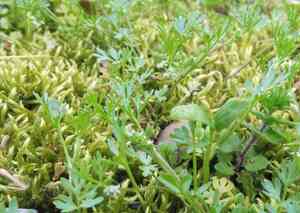
Butlers sandparsley flourishes in sandy substrates and abundant sunlight. To propagate, disperse seeds directly into the ground, confirming proper soil contact. Implement a moderate watering schedule to avert excessive wetness. The perfect soil should drain effectively. Verify that seeds are not planted too deep; a shallow placement boosts germination success. Developing plants benefit from a mulch covering to preserve dampness and inhibit unwanted vegetation. Provide adequate spacing to prevent congestion, fostering robust development.
Optimal Time for Butlers Sandparsley Propagation?
Propagation Type
Sowing
Propagation Season
Spring
Tools for Butlers Sandparsley Propagation
Seed Trays
Seed trays offer a controlled setting for seed starting. For butlers sandparsley, trays with good drainage are vital to prevent waterlogging, which can impede seedling development.
Propagation Mix
A well-draining propagation mix ensures butlers sandparsley seeds receive the correct balance of moisture retention and air circulation. A sandy or gritty blend mimics its natural environment.
Heating Mat
A heating mat helps maintain a consistent soil temperature, essential for butlers sandparsley seed germination, especially in cooler climates.
Humidity Dome
A humidity dome aids in sustaining high humidity levels around the seeds, crucial for preventing the desiccation of young butlers sandparsley seedlings.
Seed Labels
Using seed labels allows for easy identification of different species and planting dates. This assists in monitoring progress and providing specific care for butlers sandparsley during its early growth.
Fine-Mist Sprayer
A fine-mist sprayer is perfect for watering butlers sandparsley without disturbing seeds or young seedlings. It delivers gentle, even moisture, preventing seed displacement.
Light Source
A grow light or fluorescent light provides the necessary light spectrum for butlers sandparsley germination and initial growth when natural light is insufficient.
Scalpel or Precision Knife
A scalpel or precision knife is useful for transplanting delicate butlers sandparsley seedlings, enabling precise and clean cuts, minimizing root disturbance and damage.
How to Propagate Butlers Sandparsley?
Propagation Type
Easy
Caring for Newly Propagated Butlers Sandparsley
Caring for Newly Propagated Butlers Sandparsley
Once seeds have germinated and seedlings are established, gradually reduce watering to encourage deep root growth. Ensure plants receive full sun to partial shade. Mulch around plant bases to retain moisture and suppress weeds. Regularly check for pests and diseases, applying treatments as needed. Fertilization should be minimal as butlers sandparsley thrives in low-nutrient conditions, similar to its native habitat. Avoid over-fertilizing, which can lead to weak growth.
Common Mistakes to Avoid When Propagating Butlers Sandparsley
Overwatering
Excessive moisture can lead to root rot, which is detrimental to butlers sandparsley's development and overall health.
Incorrect Soil Type
Using soil that retains too much moisture instead of the well-draining soil butlers sandparsley requires can impede root development and cause disease.
Lack of Sunlight
Butlers sandparsley thrives in full sun; insufficient light can result in weak growth and poor propagation outcomes.
Improper Seed Handling
Failing to properly clean and store butlers sandparsley's seeds may decrease germination rates due to fungal infections or seed degradation.
Transplant Shock
Rough handling or not acclimating seedlings before transplanting can cause transplant shock, stunting growth or killing the plant.
Tips For Propagating Butlers Sandparsley
Well-Drained Soil
Ensure the planting site or containers have well-drained soil to prevent waterlogging and root rot.
Adequate Sunlight
Select a location that receives full sun to provide butlers sandparsley with the light it needs for optimal growth.
Seed Care
Properly clean and store seeds in a cool, dry place to maintain their viability for successful germination.
Gentle Transplanting
Harden off seedlings gradually and handle them gently when transplanting to minimize transplant shock.
Watering Practices
Water seedlings and young plants sparingly, allowing the soil to dry out slightly between waterings to avoid overwatering.



