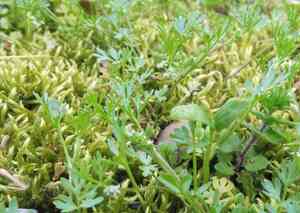
Butlers sandparsley (Ammoselinum butleri)
Also known as: Butler's sandparsley, Butler's ammoselinum
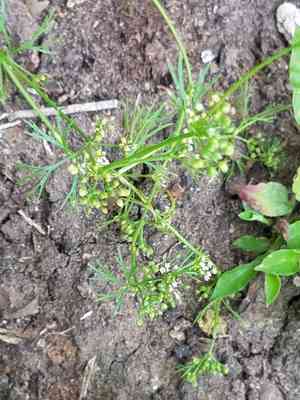
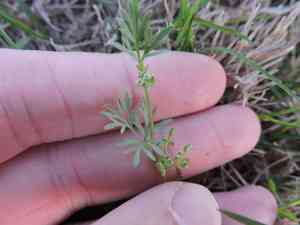
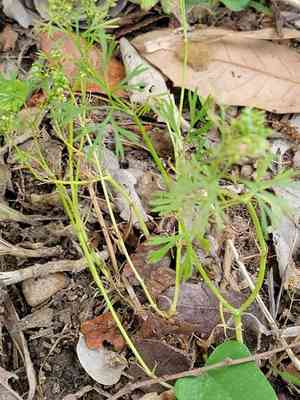
Ammoselinum butleri is a small annual plant, typically growing up to 5 cm tall, though it can occasionally reach 12 cm. Its leaves are finely divided into linear segments. This species blooms in the spring, producing small umbels of flowers in the axils of its stem leaves. A key distinguishing feature of A. butleri is its nearly smooth fruits, which contrast with the more textured fruits of Ammoselinum popei.
In This Article
Attributes of Butlers sandparsley
Lifespan
Annual
Plant Type
Herb
Plant Height
5-20 cm
Spread
Currently unavailable data
Leaf Color
Green
Flower Size
1-2 mm
Flower Color
White
Images of Butlers sandparsley
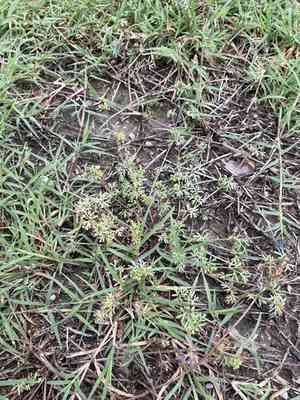
Quickly Identify Butlers sandparsley
1
Look for a small, delicate annual herb with finely divided leaves and tiny white flowers arranged in umbels.
Scientific Classification of Butlers sandparsley
Phylum
Vascular plants
Class
Dicotyledons
Order
Apiales
Family
Umbellifers
Genus
Sandparsley
Species
Butlers sandparsley
Planting and Growing of Butlers sandparsley
Care Difficulty
Moderate
Watering Schedule
Every 2 days
Sunlight Requirements
Partial sun
Sunshine Duration
4-6 hours
Ideal Temperature
65-75℉
Soil Type
Potting Mix, Peat Mix
Soil pH
6.5-7.5
Fertilizer Type
Balanced
Pruning Season
Spring, Summer
Pruning Area
Branches, Leaves
Pruning Frequency
2 times a year
Repotting Season
Spring
Pot Type
Plastic, Ceramic
 How to Water Butlers sandparsley?
Ammoselinum butleri prefers moderate watering. It's crucial to let the top inch of soil dry out before watering again. Pour approximately 250 ml of water around the base until the soil is moist but not waterlogged. This approach ensures that the roots receive adequate moisture without being drowned.
What are the symptoms of an underwatered Butlers sandparsley?
›
What should I do if my Butlers sandparsley is not getting enough water?
›
What are the symptoms of an overwatered Butlers sandparsley?
›
How to save an overwatered Butlers sandparsley?
›
 What Are the Sunlight Requirements for Butlers sandparsley?
Ammoselinum butleri thrives best in partial to full sun conditions. This range allows for optimal photosynthesis, resulting in healthy growth patterns and increased vibrancy, promoting lush, vigorous plant development.
How much sunlight does Ammoselinum butleri require?
›
What are some solutions for providing ideal lighting conditions?
›
What are the benefits of ideal lighting for Ammoselinum butleri?
›
 What Is the Ideal Temperature Range for Butlers sandparsley?
The ideal temperature range for Ammoselinum butleri is between 65°F to 75°F. These conditions mimic the moderate warmth of its natural habitat. Maintaining this range ensures optimal physiological processes, including photosynthesis, nutrient uptake, and growth rate.
 What Soil is Best for Butlers sandparsley?
Ammoselinum butleri thrives in well-drained soil, which prevents waterlogging and root rot. The loose structure of sandy soil facilitates excellent drainage, ensuring that the roots receive adequate oxygen and reducing the risk of disease. This plant benefits from loamy soil because it is rich in nutrients and retains moisture well. Loam offers a balanced mixture of sand, silt, and clay, providing a hospitable environment for the roots to access essential nutrients. Ample aeration in the soil is critical for the healthy growth of Ammoselinum butleri. It facilitates root respiration and microbial activity, promoting robust plant growth and nutrient absorption, which is vital for overall health.
 How to Fertilize Butlers sandparsley?
For Ammoselinum butleri, the fertilizer amount should be carefully monitored. Use about half the standard recommended dose, especially when applying liquid fertilizer. This plant is not a heavy feeder and can be sensitive to excessive nutrients. Stick to approximately 1/4 cup of diluted liquid fertilizer per application.
 How to Prune Butlers sandparsley?
Start by cleaning your pruning shears with alcohol to prevent disease spread. Identify any dead or damaged stems on the Ammoselinum butleri and remove them cleanly. Look for any crossing branches and trim them to maintain an open shape, ensuring good light penetration and air circulation. To shape the plant, aim to keep its natural form. Trim back taller stems to the height of the surrounding foliage. This step encourages the plant to grow in a symmetrical and bushy manner while preventing it from getting top-heavy and falling over.
More About Pruning Techniques→
 How to Propagate Butlers sandparsley plant?
1
Select healthy, viable seeds for a higher germination rate. Ensure seeds are free from disease and damage to avoid early failures in propagation.
2
Distribute seeds evenly across the surface of the potting mix, gently pressing them into place. Cover lightly with soil, keeping thickness uniform to facilitate even germination.
3
Water lightly to settle seeds into place and provide necessary moisture. Use a watering can to prevent seed dislocation and ensure even coverage.
 How to Repot Butlers sandparsley plant?
1
Repot Ammoselinum butleri when you notice roots emerging from the drainage holes or when the plant appears to not be thriving in its current pot. This indicates it needs more space to grow. Spring or early summer is ideal for giving it fresh space and resources.
2
Select a pot that is 1-2 inches larger in diameter than the current one. This provides ample room for root development without excess soil volume, which could lead to waterlogging. Ensure the pot has drainage holes to prevent water accumulation.
3
Opt for a well-draining sandy soil mix or a cactus potting mix. This ensures robust drainage, preventing root rot while providing aeration. A suitable soil mix helps maintain the plant's health and encourages better flower and foliage development.
Learn More About Butlers sandparsley Diseases
Bacterial Leaf Spot
Bacterial Soft Rot
Bacterial Wilt
Chemical Injury
Crown Gall
Cyst Nematode
Damping-off
Downy Mildew
Drought Stress
Fusarium Wilt
Gray Mold
Leaf Spot
Mosaic
Nutrient Deficiency
Nutrient Toxicity
Powdery Mildew
Root Rot
Root-knot Nematode
Rusts
Sooty Mold
Spider Mites
Temperature Stress
Thrips Damage
White Mold



