How to Propagate Western snakeroot?
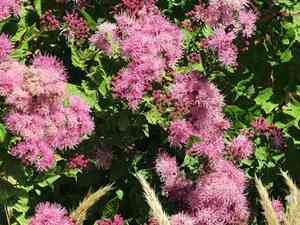
Effective propagation of Ageratina altissima can be achieved by planting its seeds. Verify that the seeds are gathered from robust, fully developed specimens. Distribute the seeds in a substrate that drains efficiently, lightly cover them, and sustain consistent dampness until sprouting occurs. Place the cultivation site in an area with filtered sunlight for best outcomes. Periodically inspect for indications of infestations or ailments. After the juvenile plants have matured sufficiently, they can be relocated to their final spots, ensuring ample room to prevent excessive density.
When Is the Best Time To Propagate Western Snakeroot?
Propagation Type
Sowing
Propagation Season
Spring
What Tools Are Used in Western Snakeroot Propagation?
Seed Trays
Seed trays are vital for initiating seeds in a regulated setting. They offer an organized method to sow seeds and manage young plants until they are ready for relocation. For western snakeroot, trays ensure proper seed spacing and ample room for germination and growth without competition.
Seed Starter Mix
A premium seed starter mix delivers the perfect blend of nutrients, air circulation, and moisture retention necessary for the germination and initial development of western snakeroot seeds. It encourages robust root formation and lowers the risk of seedling diseases.
Heating Mat
A heating mat assists in sustaining a consistent and ideal soil temperature, which is crucial for western snakeroot seed germination. Steady warmth accelerates germination, leading to more uniform seedling development.
Humidity Dome
Humidity domes are employed to cover seed trays, creating a moist micro-environment that minimizes water loss and encourages germination. For western snakeroot, maintaining high humidity is essential during the initial phases of seedling growth.
Spray Bottle
A spray bottle is utilized to gently mist the soil and seedlings, preventing the seeds and young plants from being disturbed by heavy watering. This tool helps keep the growing medium consistently damp, which is important for the successful germination of western snakeroot.
Plant Labels
Plant labels are used to keep track of various seedlings. Accurate labeling ensures that western snakeroot seedlings are correctly identified throughout the propagation process, preventing any confusion with other species.
Transplanting Tool
A transplanting tool, such as a small trowel or dibber, is useful for carefully lifting seedlings from the seed trays and moving them into individual pots or the garden. This tool helps minimize root disruption and ensures that western snakeroot seedlings are transplanted safely and efficiently.
Grow Lights
Grow lights provide the necessary light spectrum and intensity for seedlings to flourish, especially indoors or in areas with limited natural light. Proper illumination is critical for the healthy development of western snakeroot seedlings after germination.
How to Propagate Western Snakeroot?
Propagation Type
Easy
How to Care for Your Newly Propagated Western Snakeroot?
How to Care for Your Newly Propagated Western Snakeroot?
After germination, progressively expose the seedlings to more light by relocating them to a brighter spot, but initially avoid direct sunlight. Once the seedlings have developed their first set of true leaves, transplant them into individual containers or directly into the garden, ensuring adequate spacing to prevent overcrowding. Water the young plants regularly until they are established, keeping the soil moist but not waterlogged. To support healthy growth, apply a balanced, diluted fertilizer every few weeks during the growing season. Regularly check for pests and diseases, and provide protection from extreme weather conditions as needed.
Common Mistakes to Avoid When Propagating Western Snakeroot
Overwatering
Excessive watering can cause root rot, as western snakeroot prefers well-drained soil. Roots can suffocate, leading to poor propagation success.
Incorrect Soil Type
Using dense or clay-rich soil can reduce air circulation and drainage, which are vital for western snakeroot's root development.
Inadequate Light
Providing too much or too little light can stress the cuttings. Western snakeroot generally thrives in partial shade to full sun.
Improper Cutting Technique
Taking cuttings that are too old or too young can affect their ability to root effectively. Cuttings should be from healthy, semi-mature stems.
Neglecting Humidity
Failing to maintain sufficient humidity can cause cuttings to dry out before they establish roots.
Tips For Propagating Western Snakeroot
Adequate Drainage
Ensure pots have drainage holes and use a well-draining soil mix to prevent root rot.
Correct Soil Mix
Utilize a soil mix that is light and airy, such as a combination of peat, perlite, and sand.
Optimal Light Exposure
Place cuttings in a location where they receive bright, indirect light to promote healthy growth.
Proper Cutting Selection
Select semi-mature stems for cuttings and ensure each has at least one node and a few leaves.
Maintain Humidity
Use a humidity dome or plastic bag to keep the air around the cuttings moist, which helps prevent them from drying out.



