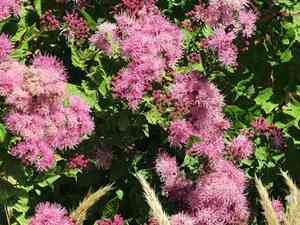
Western snakeroot (Ageratina occidentalis)
Also known as: Western snakeroot, Western eupatorium
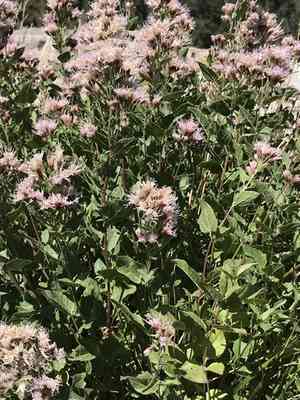
Ageratina occidentalis, also known as western snakeroot, is a rhizomatous perennial herb with erect, slender stems that can be green or occasionally purple, reaching up to about 70 centimeters in height. The leaves are opposite, ovate to lanceolate, and feature serrated edges. They are glandular and can have a slightly rough texture. Notably, the plant lacks ray florets. The fruit is an achene, small and equipped with a bristly pappus.
In This Article
Attributes of Western snakeroot
Lifespan
Perennial
Plant Type
Herb
Plant Height
13 cm to 64 cm
Spread
Not specifically measured, generally forms clusters
Leaf Color
Green
Flower Size
Approximately 1 cm
Flower Color
White
Images of Western snakeroot
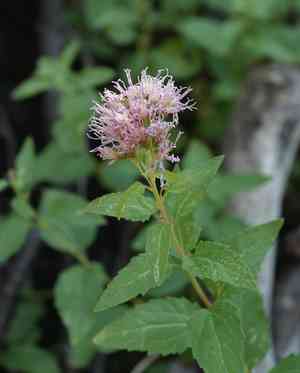
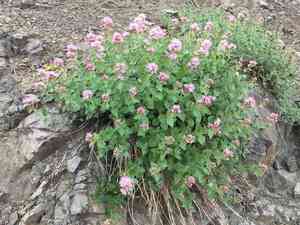
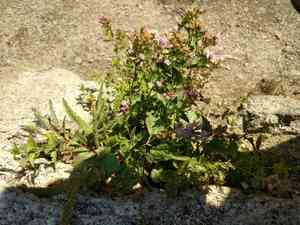
Quickly Identify Western snakeroot
1
Look for a perennial herb with a height of up to 1.5 meters. The plant has opposite, triangular leaves with serrated edges. The small white flowers are arranged in dense clusters.
Scientific Classification of Western snakeroot
Phylum
Vascular plants
Class
Dicotyledons
Order
Asterales
Family
Daisy
Genus
Snakeroots
Species
Western snakeroot
Planting and Growing of Western snakeroot
Care Difficulty
Moderate
Watering Schedule
Every 2 days
Sunlight Requirements
Partial sun
Sunshine Duration
6-10 hours
Ideal Temperature
55-75℉
Soil Type
Potting Mix, Peat Mix
Soil pH
6.5-7.5
Fertilizer Type
Balanced
Pruning Season
Spring, Summer
Pruning Area
Branches, Leaves
Pruning Frequency
2 times a year
Repotting Season
Spring
Pot Type
Plastic, Ceramic
 How to Water Western snakeroot?
Ageratina occidentalis requires moderate watering. Aim for about 250 milliliters per session. Water till you notice light moisture on the soil surface, ensuring it penetrates the roots without saturating them.
What are the symptoms of an underwatered Western snakeroot?
›
What should I do if my Western snakeroot is not getting enough water?
›
What are the symptoms of an overwatered Western snakeroot?
›
How to save an overwatered Western snakeroot?
›
 What Are the Sunlight Requirements for Western snakeroot?
Partial sun exposure is ideal, with Ageratina occidentalis benefiting from a balance of sun and shade to promote lush growth and healthy foliage.
What light does Ageratina occidentalis prefer?
›
How can I ensure ideal lighting for Ageratina occidentalis?
›
What benefits does ideal lighting provide for Ageratina occidentalis?
›
 What Is the Ideal Temperature Range for Western snakeroot?
The ideal temperature range for Ageratina occidentalis growth is between 55°F and 75°F. This range ensures that the plant can photosynthesize efficiently, and it supports optimal metabolic functions. Maintaining this temperature range promotes healthy growth, robust flowering, and disease resistance.
 What Soil is Best for Western snakeroot?
Ageratina occidentalis thrives best in well-drained soil, which prevents waterlogging and root rot. Good drainage ensures the roots receive adequate oxygen, promoting healthy growth. This plant prefers soil with moderate nutrient levels, allowing balanced growth. Excessive nutrients can lead to lanky growth and reduced flowering. Soil that retains some moisture without becoming soggy is ideal. This helps maintain hydration for the plant during dry spells without causing root issues.
 How to Fertilize Western snakeroot?
For Ageratina occidentalis, ensure a modest amount of fertilizer, particularly balanced types with a ratio around 10-10-10. Over-fertilizing can harm the plant, while under-fertilizing might stunt its growth. Apply according to label instructions, generally using about a tablespoon of granular fertilizer per square foot for solid types.
 How to Prune Western snakeroot?
Begin pruning in early spring once the last frost has passed. This period is ideal as the plant will soon enter its vigorous growing phase, quickly recovering from cuts. Focus on removing dead, damaged, or diseased stems first. Trim back any overgrown branches to maintain the plant's shape, encouraging a fuller appearance. After flowering, cut back spent blooms to promote more blossoms. After pruning, ensure the plant is well-watered and mulched to retain moisture. Applying a balanced fertilizer can also aid recovery and support new growth.
More About Pruning Techniques→
 How to Propagate Western snakeroot plant?
1
Start by sowing seeds in a seed tray filled with seed compost. Lightly cover the seeds with a thin layer of compost, water gently, and place in a warm location with indirect sunlight. Maintain consistent moisture until germination occurs.
2
Select a healthy, non-flowering stem and use pruning shears to cut a 4-6 inch section below a node. Remove the lower leaves and dip the cut end in rooting hormone before planting in a pot with moist potting mix.
3
For division, dig up an established Ageratina occidentalis plant in early spring or early summer. Gently separate the root clump into smaller sections, ensuring each has healthy roots and shoots, then replant immediately in a prepared area.
 How to Repot Western snakeroot plant?
1
Look for roots growing out of drainage holes or the soil drying out too quickly. These are signs that Ageratina occidentalis needs more space for root growth. Repotting during the warmer months of spring or summer enhances recovery since the plant is actively growing.
2
Select a pot that's one size larger than the current one, with adequate drainage holes. This ensures space for root development while preventing waterlogging, which can lead to root rot. The material isn't crucial, but clay pots can offer better aeration.
3
Opt for a soil mix rich in organic matter with excellent drainage. This will provide Ageratina occidentalis with both the nutrients it needs and the ability to drain excess water effectively, simulating its natural habitat.
Toxicity
Ingestion
WARNING
The judgment on toxicity and danger is for reference only. We DO NOT GUARANTEE any accuracy of such judgment. Therefore, you SHALL NOT rely on such judgment. It is IMPORTANT TO SEEK PROFESSIONAL ADVICE in advance when necessary.
Learn More About Western snakeroot Diseases
Anthracnose
Bacterial Leaf Spot
Bacterial Soft Rot
Bacterial Wilt
Black Spot
Chemical Injury
Crown Gall
Cyst Nematode
Damping-off
Downy Mildew
Drought Stress
Fusarium Wilt
Gray Mold
Leaf Curl
Leaf Spot
Mosaic
Nutrient Deficiency
Nutrient Toxicity
Powdery Mildew
Root Rot
Root-knot Nematode
Rusts
Sooty Mold
Spider Mites
Temperature Stress
Thrips Damage
White Mold



