How to Propagate Spice lily?
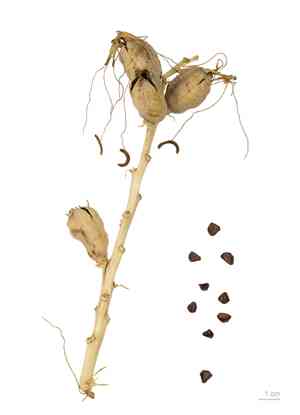
The spice lily, a visually appealing succulent, is recognized for its hardiness and distinctive leaf patterns. To propagate effectively, employ the division technique by gently detaching the offsets from the main plant. Verify that each segment possesses healthy roots, then transfer them into a growing medium with good drainage. Supply a moderate amount of water until they are firmly rooted. This approach guarantees that the new specimens will retain the strength and beauty of the original plant.
When Is the Optimal Time to Propagate Spice Lily?
Propagation Type
Division
Propagation Season
Spring,Autumn
What Implements Are Utilized in Spice Lily Propagation?
Sharp Knife or Garden Sickle
A keen blade is vital for making precise cuts when separating spice lily clumps. Clean cuts help minimize plant harm and lower infection risk.
Sterilizing Solution
Sanitizing instruments before and after use is critical to stop pathogen spread. Employ a solution like diluted bleach or alcohol to ensure tool cleanliness.
Hand Trowel
A robust hand trowel is useful for carefully digging around the base of spice lily to lift plants without causing unnecessary root damage.
Garden Gloves
Protective gloves shield hands from sharp edges and dirt while handling spice lily, ensuring a safer propagation process.
Rooting Hormone
Though not always required, applying rooting hormone to cut sections can encourage quicker root development and boost the success rate of new plantings.
Plant Labels
Labels are important for tracking newly divided plants, especially to monitor their growth and health over time.
Watering Can
Ensuring newly divided plants are adequately watered is crucial for their establishment. A watering can with a fine rose head allows gentle watering without disturbing the soil.
How to Propagate Spice Lily?
Propagation Type
Easy
How to Care for Your Newly Propagated Spice Lily?
How to Care for Your Newly Propagated Spice Lily?
Post-propagation, water spice lily moderately, ensuring the soil stays moist but not saturated. Position plants in an area with bright, indirect illumination. Fertilize sparingly with a balanced, water-soluble feed. Monitor for any signs of stress or pests, and offer extra support if needed. Once well-established, spice lily can tolerate more direct sunlight and reduced watering frequency, as it prefers drier conditions.
Common Errors to Avoid When Propagating Spice Lily
Overwatering
Excessive moisture can lead to root rot, impede root development, and potentially kill the plant.
Planting in Poorly Draining Soil
Soil that doesn't drain well retains water, increasing the risk of root diseases and stunted growth.
Incorrect Depth
Planting offsets too deep or too shallow can hinder proper root establishment and growth.
Using Infected Tools
Tools contaminated with pathogens can transmit diseases to the plant, negatively impacting its health.
Neglecting Light Requirements
Insufficient light can result in slow growth and weak plants, while too much direct sunlight can cause leaf burn.
Handling Offsets Poorly
Rough handling can damage offsets, reducing their viability and ability to establish roots.
Tips For Propagating Spice Lily
Adequate Water Management
Water the plant sparingly and allow the soil to dry out between waterings to prevent root rot.
Well-Draining Soil
Use a cactus or succulent potting mix that ensures good drainage to prevent water retention.
Proper Planting Depth
Plant offsets at a depth where their base is just covered by soil to encourage proper root development.
Sanitize Tools
Regularly clean and sterilize tools to prevent the spread of diseases.
Optimal Lighting
Provide bright, indirect light to ensure healthy growth without risking leaf burn.
Gentle Handling
Handle offsets with care to avoid damaging them, which improves their chances of successful rooting.



