How to Propagate Simple desert agave?
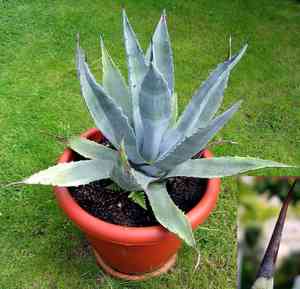
This succulent flourishes in dry climates and is skilled at enduring severe circumstances. Reproduction is successfully accomplished via division, a straightforward method where the simple desert agave's young plants or 'pups' are detached from the main specimen. Careful removal guarantees minimal disruption to the roots. After separation, these new plants need porous soil and should be allowed to form protective tissue before being placed in pots, which improves their likelihood of thriving.
Optimal Period for Propagating Simple Desert Agave?
Propagation Method
Separation
Propagation Period
Spring,Fall
Tools Utilized for Simple Desert Agave Propagation?
Sharp Knife or Pruning Shears
These instruments are vital for making precise cuts through the root mass or pups of simple desert agave. A keen, sterilized blade helps minimize harm to plant tissues, which is crucial for preventing disease and fostering healthier root growth after propagation.
Digging Fork or Spade
Employed for gently extracting simple desert agave from the ground, especially when dividing larger clusters. This tool aids in loosening the surrounding soil and reducing root damage during removal, which is essential for the plant's successful re-establishment.
Gardening Gloves
These safeguard hands from the pointed edges of simple desert agave's foliage, ensuring the gardener's safety while handling and separating the plant. Thick-material gloves are advised to prevent punctures.
Watering Can with a Fine Rose
Following replanting, providing gentle irrigation assists the divided simple desert agave plants in settling into their new environment without overwhelming them. The fine rose attachment ensures a soft water flow, lessening the risk of soil erosion around the newly planted offsets.
Rooting Hormone (optional)
Though not always required, applying a rooting hormone to the cut surfaces of simple desert agave's offsets can boost root development and enhance the overall success rate of propagation. This is particularly recommended if the plant exhibits slow root formation.
How to Propagate Simple Desert Agave?
Propagation Type
Simple
How to Maintain Your Newly Propagated Simple Desert Agave?
How to Maintain Your Newly Propagated Simple Desert Agave?
Simple desert agave demands minimal upkeep once established. Position it in a spot with ample sun exposure and infrequent watering, as its natural habitat is arid. Ensure proper drainage to prevent root rot. During the active growth period, occasional watering will suffice, allowing the soil to completely dry between irrigation sessions. Frequent fertilization is unnecessary; however, applying a balanced, slow-release fertilizer at the start of the growing season can encourage more robust growth.
Common Errors to Avoid When Propagating Simple Desert Agave
Overwatering
The propagation medium for simple desert agave should be kept on the drier side to prevent decay. Excessive watering can lead to fungal infections or rot that hinder root development.
Deep Planting
Placing the offsets or cuttings of simple desert agave too deeply in the soil can cause them to rot before they can establish roots.
Ignoring Callousing
Failing to allow the cuts on simple desert agave to form a callus before planting can result in excessive moisture absorption and rot, as the plant is particularly vulnerable to waterlogging at fresh wound sites.
Excessive Handling
Handling the offsets or cuttings of simple desert agave too frequently can damage nascent roots or the area designated for root growth and should be minimized.
Using Rich Soil
Employing nutrient-rich soil for simple desert agave propagation can foster fungal growth and does not align with the arid conditions simple desert agave is accustomed to.
Advice for Propagating Simple Desert Agave
Proper Cutting
Utilize a sharp, sterilized blade to make a clean cut on simple desert agave to prevent infection and promote better healing and rooting.
Dry Environment
Emulate the native habitat of simple desert agave by providing a well-draining, gritty propagation medium which reduces the risk of moisture-related problems.
Indirect Light
Place simple desert agave in indirect light during the rooting phase to prevent scorching while ensuring adequate light for growth.
Minimal Water
Water the propagation medium sparingly, only when it has completely dried, to match the low-water requirements of simple desert agave.
Temperature Monitoring
Maintain simple desert agave at a consistent, warm temperature to encourage root development without causing stress from temperature fluctuations.



