How to Propagate Tonto basin century plant?
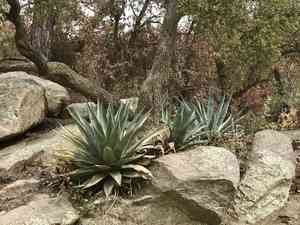
The Tonto basin century plant, an impressive succulent, flourishes in dry environments. For reproduction, the 'separation' technique proves efficient. Gently detach the pups from the main plant, making sure each has its own root system. Replant these young plants in soil that drains well, mimicking their native habitat for best development. Provide minimal water to prevent decay. This approach ensures genetic uniformity and is quite simple for amateur horticulturists.
Optimal Period for Tonto Basin Century Plant Propagation
Propagation Method
Separation
Propagation Period
Spring,Autumn
Tools Required for Tonto Basin Century Plant Propagation
Hand Pruners
Utilize sharp hand pruners to carefully detach offsets from the main plant. Clean cuts minimize harm to both parent and offset, reducing infection risk.
Spade or Shovel
A spade or shovel is crucial for gently excavating around the base of tonto basin century plant to locate offsets. This tool aids in lifting offsets without root damage.
Rooting Hormone
Applying rooting hormone to the cut surfaces of offsets promotes quicker and stronger root development, enhancing the success rate of tonto basin century plant propagation.
Potting Mix
Employ a well-draining potting mix suitable for succulents to pot the offsets. This mix maintains appropriate moisture levels, vital for tonto basin century plant health and growth.
Watering Can
A watering can with a narrow spout enables precise watering. Careful irrigation is essential to prevent overwatering, which can lead to root rot in tonto basin century plant.
Mulch
Applying a thin layer of mulch around newly planted offsets helps retain soil moisture and regulate temperature, creating a more stable growing environment for tonto basin century plant.
Plant Labels
Using plant labels to mark new plants assists in tracking propagation progress and ensures accurate identification of tonto basin century plant.
How to Propagate Tonto Basin Century Plant?
Propagation Type
Simple
Post-Propagation Care for Your Tonto Basin Century Plant
Post-Propagation Care for Your Tonto Basin Century Plant
After propagating tonto basin century plant, provide consistent yet infrequent watering, allowing the soil to dry between waterings. Position the plant in a bright, sunny spot. Fertilize sparingly with a diluted, balanced fertilizer during the growing season. Protect from frost and excessive moisture, as tonto basin century plant is drought-tolerant and prefers dry conditions. Regularly check for pests and diseases to ensure the plant remains healthy and robust.
Common Errors to Avoid When Propagating Tonto Basin Century Plant
Overwatering
This can cause root rot, which can significantly impede the propagation process.
Using the wrong soil type
Soil that holds too much moisture can suffocate roots, leading to poor plant health.
Improper handling of offsets
Damaging offsets during separation can hinder successful rooting and growth.
Insufficient sunlight
A lack of adequate light can slow growth and weaken the plant.
Neglecting to allow cuttings to callous
Planting cuttings immediately after separation without allowing callousing can result in rot.
Advice for Propagating Tonto Basin Century Plant
Water sparingly
Ensure the soil is dry before re-watering to prevent root rot.
Use well-draining soil
A cactus or succulent mix that drains effectively is ideal for tonto basin century plant.
Handle offsets carefully
Gently separate offsets from the parent plant to avoid damage.
Provide adequate sunlight
Place tonto basin century plant in a sunny location for strong, healthy growth.
Allow cuttings to callous
Let cuttings dry for several days until cut surfaces have calloused over before planting.



