How to Propagate Aconitum septentrionale?
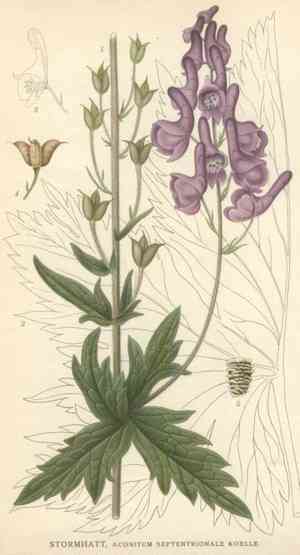
Aconitum septentrionale belongs to the Ranunculaceae family, widely recognized for its impressive, towering floral spikes and rich blue-purple blossoms. To effectively propagate aconitum septentrionale, utilize freshly harvested seeds planted directly into adequately draining substrate. Confirm they are lightly veiled and sustained in a damp, yet not saturated, condition. Sprouting may be erratic, thus perseverance is crucial. Scarification to boost germination is generally not required but remains an option.
Optimal Period for Aconitum Septentrionale Propagation
Propagation Method
Seeding
Propagation Period
Spring
Tools Required for Aconitum Septentrionale Propagation
Seed Trays
Seed trays offer a regulated setting for planting aconitum septentrionale seeds. They guarantee uniform soil depth and spacing, vital for the consistent growth and maturation of young plants.
Seed Compost
Specialized seed compost delivers the perfect nutrient equilibrium and soil structure for germinating aconitum septentrionale seeds. This medium is devoid of large particles and possesses excellent drainage, preventing damping-off disease.
Fine Soil Sieve
A fine soil sieve is employed to eliminate large particles from compost or soil mixes, ensuring a fine, uniformly textured medium. This is particularly important for the small seeds of aconitum septentrionale, facilitating better soil contact and more consistent germination.
Labeling Stakes
Labeling stakes assist in tracking planting dates and seed varieties in trays or pots. This is crucial for monitoring the developmental stages of aconitum septentrionale and maintaining an organized propagation process.
Humidity Dome
A humidity dome fits over seed trays to create a miniature greenhouse effect. It aids in maintaining a consistent humidity level essential for the germination of aconitum septentrionale seeds, preventing desiccation.
Spray Bottle
A spray bottle is utilized to gently mist seeds and seedlings, providing moisture without dislodging the small seeds of aconitum septentrionale. This tool is vital for sustaining the delicate moisture balance required for successful germination.
How to Propagate Aconitum Septentrionale?
Propagation Difficulty
Simple
Post-Propagation Care for Aconitum Septentrionale
Post-Propagation Care for Aconitum Septentrionale
Once seedlings emerge, gradually introduce them to increased light and outdoor conditions. Keep the soil moist but not waterlogged, and shield young plants from harsh weather. Regularly inspect for pests and, if needed, support growth with a light application of balanced fertilizer. Transplant seedlings to their permanent spot when robust enough, choosing a location with partial shade and well-drained soil for optimal development.
Common Errors to Avoid When Propagating Aconitum Septentrionale
Excessive Watering
Overwatering can lead to root rot, significantly harming aconitum septentrionale's health. Roots may fail to absorb vital nutrients, resulting in poor plant development and potential plant loss.
Poor Soil Drainage
Planting aconitum septentrionale in poorly draining soil can cause waterlogging, leading to issues similar to overwatering. This can create an unfavorable environment for root growth and increase the risk of fungal infections.
Incorrect Soil pH
Aconitum septentrionale prefers slightly acidic to neutral pH soils. Using soil that is too acidic or too alkaline can impede nutrient absorption, leading to stunted growth or nutrient deficiencies.
Improper Lighting Conditions
Placing aconitum septentrionale in either full sun or deep shade can be detrimental. An inadequate light balance can stress the plant, affecting its growth and successful propagation.
Using Unhealthy or Incorrect Propagating Material
Using diseased or weak cuttings or seeds can result in low propagation success, as these materials may lack the vigor needed for healthy growth.
Tips for Propagating Aconitum Septentrionale
Moderate Watering
Ensure consistent, moderate watering, keeping the soil uniformly moist but not saturated to encourage healthy root development.
Well-Draining Soil
Utilize well-draining soil to prevent waterlogging and root rot, ensuring roots receive adequate oxygen.
Proper Soil pH
Use soil with a pH level that is slightly acidic to neutral. This aids in the efficient uptake of nutrients crucial for the plant's growth.
Balanced Lighting
Provide partial shade to filtered sunlight to ensure the plant receives sufficient but not excessive light, promoting robust growth.
Healthy Propagating Material
Use healthy, disease-free cuttings or seeds for propagation to increase the likelihood of successful plant development and growth.



