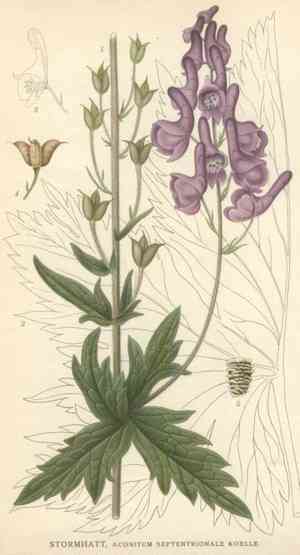
Aconitum septentrionale (Aconitum septentrionale)
Also known as: northern monkshood, northern wolfsbane
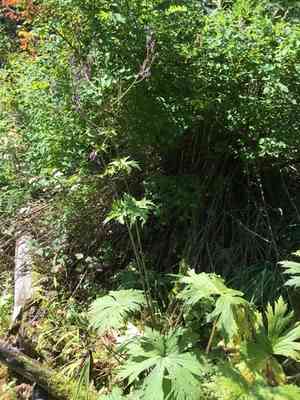
Aconitum septentrionale is notable for its tall, impressive stature and striking violet-blue, helmet-shaped flowers that rise above deeply lobed, dark green leaves. This hardy perennial flourishes in cooler, temperate regions, often found in moist, well-drained soils with partial to full shade. Its unique blooms and foliage add dramatic interest to gardens, but it is important to handle the plant with care due to its highly toxic nature. Always wear protective gloves and clothing to avoid skin contact and potential poisoning.
In This Article
Attributes of Aconitum septentrionale
Lifespan
Perennial
Plant Type
Herb
Plant Height
60-150 cm
Spread
Approximately 30-50 cm
Leaf Color
Dark green
Flower Size
1.5-3 cm
Flower Color
Blue to purple
Images of Aconitum septentrionale
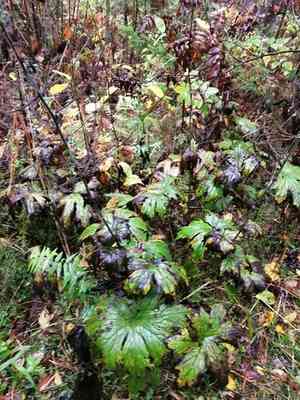
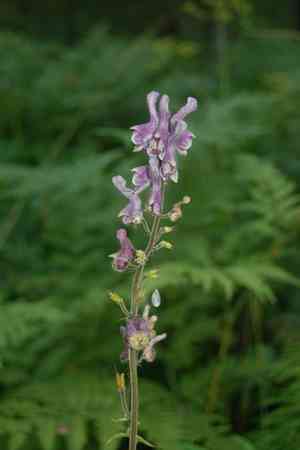
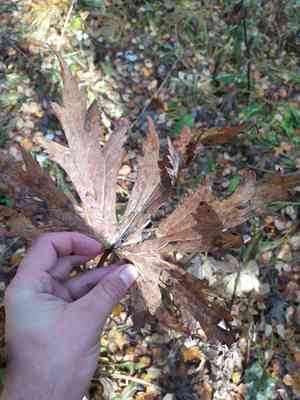
Quickly Identify Aconitum septentrionale
1
Recognizable by its tall spikes of blue to purple hood-shaped flowers, deeply divided leaves, and its height, which can range from 60 to 150 cm. The plant typically blooms in late spring to early summer.
Scientific Classification of Aconitum septentrionale
Phylum
Vascular plants
Class
Dicotyledons
Order
Ranunculales
Family
Buttercup
Genus
Monkshood
Species
Aconitum septentrionale
Planting and Growing of Aconitum septentrionale
Care Difficulty
Moderate
Watering Schedule
Every 2 days
Sunlight Requirements
Partial sun
Sunshine Duration
6-10 hours
Ideal Temperature
60-75℉
Soil Type
Potting Mix, Peat Mix
Soil pH
6.5-7.5
Fertilizer Type
Balanced
Pruning Season
Spring, Summer
Pruning Area
Branches, Leaves
Pruning Frequency
2 times a year
Repotting Season
Spring
Pot Type
Plastic, Ceramic
 How to Water Aconitum septentrionale?
Aconitum septentrionale requires a thoughtful approach to watering. Each watering should be around 500 ml, ensuring the topsoil is moist but not soggy. The aim is to replicate its natural habitat, where it receives moderate and consistent moisture without drenched roots.
What are the symptoms of an underwatered Aconitum septentrionale?
›
What should I do if my Aconitum septentrionale is not getting enough water?
›
What are the symptoms of an overwatered Aconitum septentrionale?
›
How to save an overwatered Aconitum septentrionale?
›
 What Are the Sunlight Requirements for Aconitum septentrionale?
Partial sun and full shade are optimal. With this light range, Aconitum septentrionale maintains vibrant green foliage and consistent, healthy blooms, ensuring the plant’s development aligns with its natural growth patterns.
How much sunlight is optimal?
›
How to achieve ideal lighting?
›
What benefits does ideal lighting bring?
›
 What Is the Ideal Temperature Range for Aconitum septentrionale?
Aconitum septentrionale thrives best in environments where the temperature is consistently between 60 and 75 degrees Fahrenheit. This range supports optimal photosynthesis and growth rates, ensuring healthy foliage and development. Maintaining these temperatures helps the plant avoid stress and contributes to robust flowering periods.
 What Soil is Best for Aconitum septentrionale?
Aconitum septentrionale thrives in well-drained soils that prevent root rot by allowing excess water to escape. This ensures balanced moisture levels, vital for the plant's health and flowering potential. The soil should retain adequate moisture without becoming waterlogged. This promotes steady growth and lush foliage, crucial for Aconitum septentrionale's robust appearance and development. Rich, fertile soils boost the plant's nutrient intake leading to vibrant blooms and healthy foliage. A well-balanced nutrient profile supports vigorous growth and disease resistance.
 How to Fertilize Aconitum septentrionale?
Aconitum septentrionale, commonly known as Northern Monkshood, requires moderate fertilization to thrive. Use a balanced fertilizer with an N-P-K ratio around 10-10-10. For liquid fertilizers, apply a solution mixed at half the recommended strength to avoid burning the roots. Each application should cover the soil evenly, ensuring the plant's nutritional needs are met without oversaturation.
 How to Prune Aconitum septentrionale?
Begin by examining your Aconitum septentrionale to identify any dead, damaged, or diseased branches. These should be removed first to enhance the plant's overall health and appearance. Use sharp, clean shears to make a clean cut just above a leaf node or bud. This encourages new growth and prevents damage to the plant. Aim for a 45-degree angle cut to allow water to run off easily. To promote a tidy shape, trim back overly long stems. Focus on maintaining an open structure to improve air circulation within the plant, which can prevent fungal diseases.
More About Pruning Techniques→
 How to Propagate Aconitum septentrionale plant?
1
Collect healthy seeds from mature Aconitum septentrionale plants. Clean them thoroughly to remove debris, then sow them on seed trays filled with a high-quality seed-starting mix.
2
Select healthy, disease-free stems early in the morning. Cut sections that are 4-6 inches long, remove lower leaves, and dip the cut end in rooting hormone to encourage growth.
3
Carefully dig up mature clumps in early spring. Use a sharp knife or spade to divide the clump into smaller sections, ensuring each section has roots attached.
 How to Repot Aconitum septentrionale plant?
1
Look for signs such as roots growing out of the drainage holes or the plant becoming too large for its current pot. Aconitum septentrionale typically needs repotting every 2 to 3 years, ideally during its active growing season in spring or summer. Repotting at these times helps minimize stress and ensures the plant adapts well to its new environment.
2
Opt for a pot that is 1 to 2 inches wider in diameter than its current one. This allows the plant enough space to grow without overwhelming its root system. A pot with good drainage holes prevents waterlogging that can lead to root rot, ensuring the roots have access to both air and moisture.
3
Select a well-draining neutral soil mix to accommodate the plant's needs. This type of soil helps prevent root rot and ensures that the plant's roots have access to enough air while retaining necessary moisture. Avoid heavy clay soils that can impede drainage.
Toxicity
Ingestion, Skin Contact
WARNING
The judgment on toxicity and danger is for reference only. We DO NOT GUARANTEE any accuracy of such judgment. Therefore, you SHALL NOT rely on such judgment. It is IMPORTANT TO SEEK PROFESSIONAL ADVICE in advance when necessary.
Learn More About Aconitum septentrionale Diseases
Anthracnose
Bacterial Leaf Spot
Bacterial Soft Rot
Bacterial Wilt
Chemical Injury
Crown Gall
Cyst Nematode
Damping-off
Downy Mildew
Drought Stress
Fusarium Wilt
Gray Mold
Leaf Spot
Mosaic
Nutrient Deficiency
Nutrient Toxicity
Powdery Mildew
Root Rot
Root-knot Nematode
Rusts
Sooty Mold
Spider Mites
Temperature Stress
Thrips Damage
White Mold



