How to Propagate New mexico copperleaf?
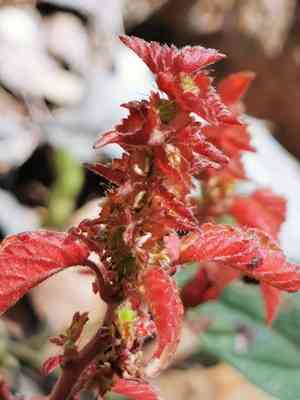
The New Mexico copperleaf is a resilient plant that tolerates arid conditions, flourishing in permeable earth under direct sunlight or light shade. For propagation through cuttings, choose vigorous, non-blooming stalks and embed them in humid, sandy substrate to stimulate root growth. Provide a light watering to the cuttings, ensuring the soil remains uniformly moist without becoming saturated. Maintain a warm and humid environment for the propagation zone to aid in root establishment. Consistent observation and careful tending will result in strong, new specimens.
Optimal Period for New Mexico Copperleaf Propagation
Propagation Method
Cutting
Propagation Period
Spring,Summer
Essential Tools for New Mexico Copperleaf Propagation
Pruning Shears
Utilized for obtaining robust cuttings from new mexico copperleaf. Sanitize blades to avert disease spread. Perfect for making clean stem cuts, minimizing harm and fostering successful rooting.
Rooting Hormone
Applied to the severed ends of new mexico copperleaf cuttings to stimulate root formation. Select a formula suitable for softwood cuttings to boost root growth, enhancing propagation success rates.
Propagation Tray
Accommodates new mexico copperleaf cuttings within a regulated setting. Typically features multiple compartments for individual cuttings, ensuring proper spacing and preventing cross-contamination.
Sterile Potting Mix
Offers a nutrient-rich yet well-draining substrate for new mexico copperleaf cuttings. A mix formulated for cuttings (e.g., perlite and peat moss blend) guarantees optimal moisture retention and root aeration.
Humidity Dome
Maintains elevated humidity levels around new mexico copperleaf cuttings, vital for preventing desiccation until roots emerge. It aids in creating a microenvironment conducive to successful rooting.
Spray Bottle
Employed for misting cuttings and preserving humidity beneath the dome. Regular misting keeps foliage hydrated without saturating the soil.
Heat Mat
Positioned beneath the propagation tray to supply consistent warmth to new mexico copperleaf cuttings. This is particularly advantageous for promoting root development in temperate climates.
Labels and Markers
Crucial for tracking new mexico copperleaf cuttings, especially when propagating multiple varieties. Proper labeling prevents confusion and assists in monitoring progress.
How to Propagate New Mexico Copperleaf?
Propagation Type
Moderately Difficult
Post-Propagation Care for New Mexico Copperleaf
Post-Propagation Care for New Mexico Copperleaf
Once roots have formed and the cutting is established, gradually introduce new mexico copperleaf to outdoor conditions if applicable. Keep the soil consistently moist but not waterlogged. Fertilize monthly with a balanced fertilizer during the growing season. Ensure new mexico copperleaf receives partial to full sunlight and protect it from extreme weather conditions. Prune as necessary to maintain a desired shape and health.
Common Errors to Avoid During New Mexico Copperleaf Propagation
Overwatering
Excessive watering can lead to root rot, which is detrimental to new mexico copperleaf's health and can hinder successful propagation.
Insufficient Sunlight
Lack of adequate sunlight can result in weak, elongated growth, producing unhealthy cuttings or seedlings that struggle to establish.
Poor Soil Drainage
Using soil that drains inadequately can cause waterlogging, negatively impacting root development and overall plant vitality.
Incorrect Cutting Technique
Improperly taking cuttings can harm the parent plant and diminish the chances of successful rooting due to the cutting's inability to support new growth.
Recommendations for Propagating New Mexico Copperleaf
Moderate Watering
Ensure the soil is damp but not saturated. Allow the top layer of soil to dry out slightly between waterings to prevent root rot.
Adequate Sunlight
Place the plant or cuttings in a location that receives bright, indirect sunlight to encourage strong, healthy growth.
Well-Draining Soil
Utilize a soil mix with good drainage properties, such as a combination of sand, perlite, and potting soil, to prevent water accumulation around the roots.
Proper Cutting Method
Use clean, sharp scissors or pruning shears to take cuttings just below a node, and ensure each cutting has at least one or two leaves to support photosynthesis during the rooting process.



