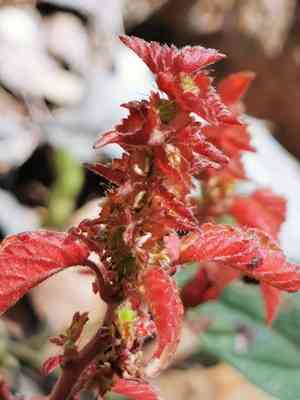
New mexico copperleaf (Acalypha neomexicana)
Also known as: New Mexico Copperleaf
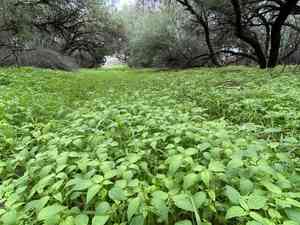
New Mexico copperleaf (Acalypha neomexicana) is a resilient perennial herb native to the arid regions of the Southwest. It thrives in dry, rocky soils and is easily recognized by its reddish, hairy stems and small, green to brown flowers. The plant's toothed, oval leaves often exhibit a frosted look, reflecting its adaptation to intense sunlight and limited water availability. These characteristics enable it to persist in the challenging desert environment.
In This Article
Attributes of New mexico copperleaf
Lifespan
Perennial
Plant Type
Shrub
Plant Height
Up to 20-50 cm
Spread
Approximately 30 cm
Leaf Color
Green
Flower Size
Tiny, typically less than 1 cm
Flower Color
Greenish
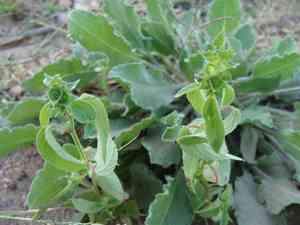
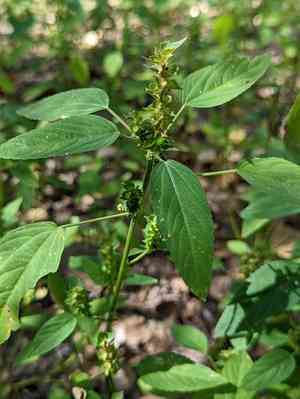
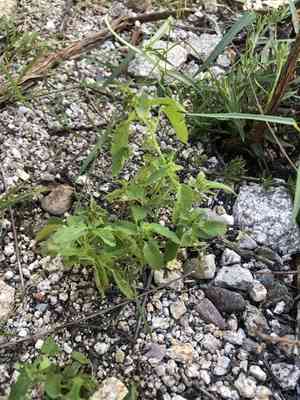
Images of New mexico copperleaf
Quickly Identify New mexico copperleaf
1
Acalypha neomexicana can be identified by its oval to lance-shaped leaves, greenish flowers that bloom in clusters, and its overall bushy, herbaceous growth habit.
Scientific Classification of New mexico copperleaf
Phylum
Vascular plants
Class
Dicotyledons
Order
Malpighiales
Family
Spurge
Genus
Copperleafs
Species
New mexico copperleaf
Planting and Growing of New mexico copperleaf
Care Difficulty
Moderate
Watering Schedule
Every 3 days
Sunlight Requirements
Partial sun
Sunshine Duration
4-8 hours
Ideal Temperature
65-75℉
Soil Type
Potting Mix, Peat Mix
Soil pH
6.5-7.5
Fertilizer Type
Balanced
Pruning Season
Spring, Summer
Pruning Area
Branches, Leaves
Pruning Frequency
2 times a year
Repotting Season
Spring
Pot Type
Plastic, Ceramic
 How to Water New mexico copperleaf?
When watering Acalypha neomexicana, ensure that the soil is moistened evenly but not soggy. Aim to apply around 250 ml per watering session, enough to dampen the soil to a depth of about 2 inches, allowing the roots to access consistent moisture without becoming waterlogged.
What are the symptoms of an underwatered New mexico copperleaf?
›
What should I do if my New mexico copperleaf is not getting enough water?
›
What are the symptoms of an overwatered New mexico copperleaf?
›
How to save an overwatered New mexico copperleaf?
›
 What Are the Sunlight Requirements for New mexico copperleaf?
Partial sun exposure provides the perfect balance for Acalypha neomexicana, allowing for robust growth and vibrant color without the risk of scorch or etiolated growth.
What is the best lighting condition for Acalypha neomexicana?
›
How to achieve the ideal lighting for Acalypha neomexicana?
›
What benefits does the ideal lighting provide for Acalypha neomexicana?
›
 What Is the Ideal Temperature Range for New mexico copperleaf?
The ideal temperature range for Acalypha neomexicana is between 65°F and 75°F. This range provides a balanced environment that mimics its natural habitat, promoting healthy growth and optimal foliage development.
 What Soil is Best for New mexico copperleaf?
Acalypha neomexicana thrives in well-drained soil, which prevents waterlogging and root rot. Ensuring proper drainage allows the roots to access the oxygen they need, promoting healthier plant growth. This plant prefers soil enriched with organic matter, providing essential nutrients for its growth. Adding compost or mulch not only nourishes the plant but also aids in moisture retention. While it tolerates some drought, Acalypha neomexicana benefits from soil that retains a moderate level of moisture to support its metabolic processes and prevent stress.
 How to Fertilize New mexico copperleaf?
When fertilizing Acalypha neomexicana, use half the recommended amount of a balanced liquid fertilizer every two weeks during the growing season. For slow-release fertilizer, a light application around the base of the plant is sufficient.
 How to Prune New mexico copperleaf?
Before you start pruning Acalypha neomexicana, take the time to understand its structure. Look for older, woody stems and any new shoots that are overcrowding the plant. Knowing what to cut helps maintain its natural form and encourages healthy growth. Always use sharp, clean pruning shears for Acalypha neomexicana to avoid causing any damage or introducing disease. Remember that clean cuts heal faster, and sharper tools make clean cuts. Invest in good-quality garden tools for best results. When pruning, make your cuts just above a node or where the stem meets a main branch. This technique helps the plant to heal properly and redirects energy towards new growth. Cut at a slight angle to prevent water accumulation on the cut surface.
More About Pruning Techniques→
 How to Propagate New mexico copperleaf plant?
1
Use a well-draining soil mix, consisting of peat and perlite, to ensure good root development. Moisten the soil slightly before planting to provide the necessary humidity.
2
Scatter the seeds evenly over the surface of the soil and cover them lightly with a thin layer of soil. Maintain the soil's moisture and provide indirect sunlight for optimal germination.
3
Select healthy, non-flowering stems and cut them at a node. Remove the lower leaves and dip the cut end in rooting hormone to encourage root growth before placing in soil.
 How to Repot New mexico copperleaf plant?
1
Repot Acalypha neomexicana when you notice roots emerging from drainage holes or if the plant growth becomes stunted. This suggests that the plant has outgrown its current pot and needs more space to thrive.
2
Select a pot that is 1-2 inches larger in diameter than the current one. Use pots with good drainage to prevent waterlogging, which can lead to root rot. A slightly larger pot also allows room for root expansion.
3
A well-draining soil mix with organic matter is ideal for Acalypha neomexicana. This ensures that the plant receives adequate nutrients and prevents the risk of soggy roots, maintaining overall plant health.
Learn More About New mexico copperleaf Diseases
Anthracnose
Bacterial Leaf Spot
Bacterial Soft Rot
Bacterial Wilt
Black Spot
Chemical Injury
Crown Gall
Damping-off
Downy Mildew
Drought Stress
Fusarium Wilt
Gray Mold
Leaf Curl
Leaf Spot
Mosaic
Nutrient Deficiency
Nutrient Toxicity
Powdery Mildew
Root Rot
Root-knot Nematode
Rusts
Sooty Mold
Spider Mites
Temperature Stress
Thrips Damage
White Mold



