How to Propagate Fragrant white sand verbena?
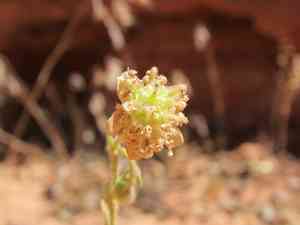
White sand verbena, a fragrant species, flourishes in sandy substrates and is ideal for gardens focused on cultivating aromatic flora. To propagate, plant seeds in a well-draining medium, ensuring they are lightly covered and kept damp until sprouting occurs. This variety favors ample sunlight and benefits from periodic irrigation after it has become established. Adequate air movement around young plants is crucial to avert fungal problems. Applying a thin stratum of sand to the seedbed can enhance germination success and encourage more robust development.
Optimal Period for Propagating Fragrant White Sand Verbena
Propagation Method
Seeding
Propagation Period
Spring
Tools Required for Fragrant White Sand Verbena Propagation
Seed Trays
Seed trays are advantageous for initiating fragrant white sand verbena seeds indoors or within a regulated setting. They enable efficient space utilization and guarantee a high germination rate by offering ideal conditions for seedling growth.
Seedling Heat Mat
A seedling heat mat delivers consistent warmth from below, which is vital for the germination of fragrant white sand verbena seeds. Steady heat quickens the germination process and aids in the development of robust, healthy roots.
Humidity Dome
A humidity dome maintains elevated humidity levels, crucial for fragrant white sand verbena during germination. It minimizes water evaporation and keeps seedlings moist, creating an optimal microenvironment for development.
Spray Bottle
A spray bottle is utilized to mist the soil and seedlings, helping to sustain the necessary moisture levels without disturbing the seeds or seedling roots of fragrant white sand verbena. This is particularly important to prevent the soil from becoming waterlogged.
Fine-Mesh Sieve
A fine-mesh sieve is ideal for sifting seed starting mix to eliminate any large particles, creating a fine, uniformly textured medium for sowing fragrant white sand verbena. This ensures better contact between the seeds and the soil, promoting successful germination.
Seedling Labels
Seedling labels assist in tracking various plants and sowing dates. Properly labeling the trays with fragrant white sand verbena ensures precise monitoring of germination progress and care requirements.
pH Meter
A pH meter is employed to assess the soil's pH levels, essential for cultivating fragrant white sand verbena as it favors specific pH conditions. Ensuring the soil is within the appropriate pH range facilitates nutrient availability and overall seedling health.
Light Timer
A light timer ensures that fragrant white sand verbena seedlings receive the correct amount of light exposure by regulating grow lights. Consistent light cycles promote uniform growth and prevent leggy seedlings.
Tweezers
Tweezers are useful for handling small fragrant white sand verbena seeds during the sowing process, ensuring precision and minimizing the risk of damaging the seeds due to handling.
Method for Propagating Fragrant White Sand Verbena
Propagation Difficulty
Simple
Post-Propagation Care for Your Fragrant White Sand Verbena
Post-Propagation Care for Your Fragrant White Sand Verbena
Following germination, gradually reduce watering frequency until the soil is dry. Transplant seedlings into individual containers or a garden bed with well-draining, sandy soil and full sun exposure. Apply a balanced, diluted fertilizer monthly during the active growth period. Regularly inspect for pests and diseases, and prune as needed to encourage bushy growth.
Common Errors to Avoid When Propagating Fragrant White Sand Verbena
Excessive Watering
Too much moisture can lead to root rot and fungal infections, which can kill young plants or hinder their development.
Failure to use well-draining soil
This can cause water to accumulate around the roots, leading to rot and poor aeration, detrimental to plant health.
Insufficient sunlight
Not providing adequate light can result in weak, elongated plants that are more vulnerable to diseases and pests.
Neglecting soil pH
Failing to ensure the soil has the appropriate pH can lead to poor nutrient absorption, impacting the plantâs overall health and growth.
Incorrect seed depth
Planting seeds too deep or too shallow can impede germination, leading to poor establishment of seedlings.
Advice for Propagating Fragrant White Sand Verbena
Well-draining soil
Utilize a sandy or gritty medium to ensure excess water does not accumulate, preventing root rot and promoting healthy growth.
Moderate watering
Water just enough to keep the soil moist but not waterlogged, balancing hydration while preventing fungal diseases.
Sufficient light
Position the propagated plants in a location that receives ample sunlight, ensuring robust growth and development.
Proper soil pH
Check and adjust the soil pH to slightly acidic to neutral (pH 6.0-7.0) to optimize nutrient uptake.
Planting depth
Sow seeds at an appropriate depth, typically 1/4 inch deep, to ensure proper germination and establishment.



