How to Propagate Rat's-tail succulent?
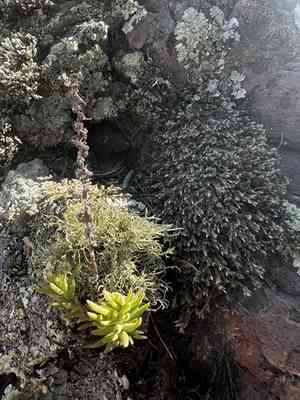
The Rat's-tail succulent, a species within the Crassulaceae lineage, flourishes when reproduced via cuttings. Begin by choosing a robust stem and severing approximately 5-10 cm. Permit the severed tip to desiccate and form a callus over several days to avert decay upon planting. Employ a potting blend with excellent drainage to foster vigorous development, positioning the cutting in diffused illumination. Consistent spraying aids in the cutting's establishment, but refrain from excessive watering, which can impede root formation.
Optimal Time for Rat's-tail Succulent Propagation
Propagation Method
Cutting
Propagation Period
Spring,Summer
Tools Required for Rat's-tail Succulent Propagation
Sharp, sterilized scissors or pruning shears
These implements are crucial for making clean, precise cuts from rat's-tail succulent. Sharp blades ensure cuts are made without crushing plant tissues, promoting faster healing and reducing infection risk. Sterilizing blades before each cut prevents disease spread.
Rooting hormone
Applying a rooting hormone to the fresh cuts of rat's-tail succulent can greatly enhance successful root development. This hormone encourages quicker root growth, vital for new plant establishment. It also helps shorten propagation time, aiding faster cultivation.
Potting mix suitable for succulents
A well-draining potting medium, specifically formulated for succulents, is essential when propagating rat's-tail succulent from cuttings. This mix ensures quick drainage of excess water, preventing root rot and providing an ideal environment for root development. Its composition often includes perlite or sand for improved aeration and drainage.
Propagation trays or small pots
These containers house rat's-tail succulent cuttings during the rooting phase. They must have good drainage holes to prevent water accumulation, aligning with a succulent's rooting needs. Using clean, disinfected trays or pots minimizes fungal or bacterial infection risks.
Clear plastic bags or a humidity dome
Maintaining high humidity can benefit rat's-tail succulent cuttings in establishing roots. Covering the propagation tray or pots with clear plastic bags or placing them under a humidity dome helps retain moisture and creates a greenhouse effect, facilitating root growth without rapid soil drying.
How to Propagate Rat's-tail Succulent?
Propagation Type
Easy
Caring for Your Newly Propagated Rat's-tail Succulent
Caring for Your Newly Propagated Rat's-tail Succulent
Post-propagation, water rat's-tail succulent sparingly, allowing soil to dry between waterings. Place the plant in bright, indirect light and ensure good ventilation for healthy growth. Be mindful of temperature drops and avoid over-watering to prevent root rot.
Common Errors to Avoid When Propagating Rat's-tail Succulent
Overwatering
Excessive moisture can lead to root rot and fungal infections, hindering successful propagation.
Incorrect Soil Mix
Using a soil blend that retains too much moisture can suffocate roots and impede the plant's development.
Inadequate Light
Insufficient light can result in leggy growth and impair the plant's ability to photosynthesize effectively, weakening new propagations.
Poor Ventilation
Lack of air circulation increases the risk of mold and mildew on cuttings or offsets, potentially killing them before rooting.
Using Unhealthy Parent Plant
Propagating from a diseased or unhealthy parent plant can yield weak or diseased offspring, reducing successful propagation chances.
Tips For Propagating Rat's-tail Succulent
Proper Watering
Allow the soil to dry out between waterings to prevent root rot and ensure healthy root development.
Well-Draining Soil
Utilize a gritty, well-draining soil mix formulated for succulents to prevent water from pooling around the roots.
Adequate Light
Position propagations in bright, indirect light to ensure sufficient illumination for strong growth without scorching.
Ensure Good Airflow
Place propagations in an area with good airflow to reduce mold and mildew risk, and to promote healthy growth.
Healthy Parent Plant
Always use healthy, disease-free plants for propagation to enhance the likelihood of producing strong, healthy offspring.



