How to Propagate Rush-like air plant?
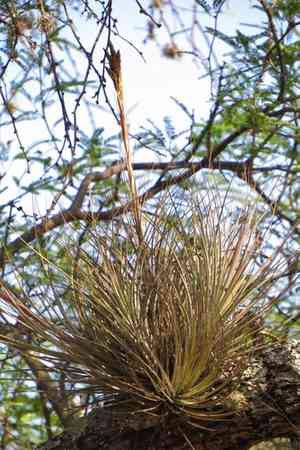
This rush-like air plant flourishes when reproduced via segmentation, a process of detaching the young plantlets or 'pups' that emerge from the base of the mature specimen. This technique facilitates rapid expansion of your collection and guarantees genetic uniformity with the original plant. Gently remove the pups once they reach approximately one-third the size of the primary plant, utilizing sterilized, sharp implements to reduce harm. Permit the severed area to air-dry and form a callus for several days prior to securing or positioning it in its new spot, providing sufficient airflow and illumination to stimulate development.
Optimal Time for Rush-like Air Plant Propagation
Propagation Method
Division
Propagation Period
Spring,Autumn
Tools for Rush-like Air Plant Propagation
Sharp, sterile scissors or pruning shears
These are vital for making clean cuts through the base or rhizomes of rush-like air plant during division. Sharpness prevents tissue damage, which is key for avoiding infections and promoting faster recovery and new plant development.
Tweezers or small pliers
Helpful for carefully handling and separating smaller pups or offsets from the parent rush-like air plant without harming delicate parts. Their precise grip allows for careful manipulation, especially when untangling roots or removing dead leaves.
Spray bottle with water
Ensures that exposed areas of rush-like air plant stay hydrated immediately after division. Misting is ideal as it provides moisture without over-wetting, crucial for air plants like rush-like air plant that are prone to root rot from excessive water.
Antifungal powder
Used to treat cut surfaces post-division to prevent fungal infections. Since rush-like air plant can be particularly susceptible to fungal diseases after cutting, applying antifungal powder helps maintain the overall health of propagated plants.
Tray or shallow container
Serves as a holder for newly divided rush-like air plant during the initial recovery phase. This container should be lightly filled with a suitable substrate or left empty if providing conditions similar to air-growing environments, depending on the cultivator's setup.
Propagating Rush-like Air Plant
Propagation Difficulty
Easy
Caring for Newly Propagated Rush-like Air Plant
Caring for Newly Propagated Rush-like Air Plant
After propagation, care for rush-like air plant involves maintaining adequate moisture without over-watering, ensuring they receive plenty of indirect sunlight. Avoid direct sunlight as it can scorch the leaves. Fertilize monthly with a balanced, water-soluble fertilizer diluted to quarter strength. Regularly check and remove any dead or dying leaves to promote healthy growth and reduce the risk of disease.
Common Propagation Errors for Rush-like Air Plant
Overwatering
Excess moisture can lead to root rot in rush-like air plant, as they are adapted to dry, airy environments. Overwatering can suffocate the roots, hinder growth, and eventually cause the plant to decay.
Using dense soil
Planting rush-like air plant in compact soil inhibits air circulation around the roots, which is crucial for their survival. Dense soil retains too much moisture and prevents roots from breathing, leading to root rot.
Neglecting light requirements
Insufficient light compromises the photosynthetic ability of rush-like air plant, stunting growth and weakening the plant which makes it less likely to propagate successfully.
Tips For Propagating Rush-like Air Plant
Aerial propagation
Encourage the growth of offsets, or 'pups', which rush-like air plant naturally produces. These can be carefully removed when they are about one-third the size of the parent plant, ensuring each pup has some roots attached for better establishment.
Use appropriate substrate
Plant rush-like air plant in a well-draining substrate like orchid bark or mixed with perlite to enhance breathability and drainage, mimicking their native environments.
Provide ample indirect light
Place rush-like air plant in a location where it can receive plenty of bright, indirect sunlight. This optimizes photosynthesis, essential for growth and successful reproduction.



