How to Propagate Pale lobelia?
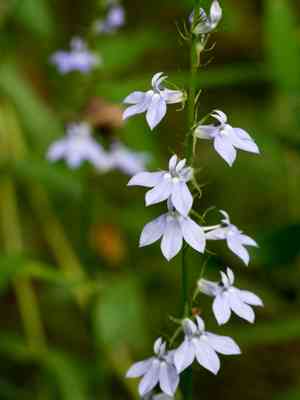
Lobelia pallida flourishes in damp, adequately drained substrates under conditions ranging from partial to complete sunlight. Reproduce this plant by scattering seeds onto a fine seed-starting blend, ensuring the medium remains uniformly hydrated without becoming saturated. Gently embed the seeds into the soil surface without burying them, as illumination facilitates sprouting. Initially shield nascent plants from severe gusts and intense solar radiation. Reduce the density of juvenile plants to guarantee sufficient room for their full development. Although perseverance is essential, achieving success yields brilliant blossoms indigenous to grasslands and marshlands.
When Is the Optimal Time to Propagate Pale Lobelia?
Propagation Method
Sowing
Propagation Period
Spring
What Equipment Is Used in Pale Lobelia Propagation?
Seed Trays
Seed trays offer a controlled setting for germinating pale lobelia seeds. They provide consistent moisture retention and temperature regulation, vital for the germination and initial growth phases of pale lobelia.
Seed Starting Mix
This sterile, light growing medium ensures pale lobelia seeds have ideal conditions for sprouting. It typically contains peat, vermiculite, and perlite, which promotes proper drainage and air circulation.
Fine Mist Sprayer
A fine mist sprayer is crucial for maintaining the moisture level of the seed starting mix without disturbing the delicate pale lobelia seeds. Consistent dampness is essential for successful germination.
Heat Mat
A heat mat delivers steady bottom warmth to the seed trays, encouraging quicker and more uniform germination for pale lobelia. This is particularly beneficial in colder climates or during early spring planting.
Humidity Dome
A humidity dome helps maintain high moisture levels around newly sown pale lobelia seeds, preventing them from drying out and ensuring a stable microenvironment for germination.
Plant Labels
Plant labels are important for tracking seed varieties and planting dates, ensuring accurate identification and organization of pale lobelia throughout the propagation process.
Pricking Out Tool
A pricking out tool is used to carefully transplant pale lobelia seedlings from seed trays to individual pots, minimizing root disturbance and ensuring healthy root development.
Sterile Containers
Using sterile containers for sowing pale lobelia prevents the potential spread of soil-borne diseases and pests, promoting healthier seedling growth.
Grow Lights
Grow lights provide the necessary light spectrum for pale lobelia seedlings, especially if natural sunlight is limited. This ensures robust growth and prevents leggy seedlings.
How to Propagate Pale Lobelia?
Propagation Type
Easy
How to Care for Your Newly Propagated Pale Lobelia?
How to Care for Your Newly Propagated Pale Lobelia?
After transplanting, continue to water pale lobelia consistently to keep the soil moist but not waterlogged, especially during establishment. Provide partial to full sunlight and ensure good air circulation around the plants. Mulching around the base can help retain moisture and suppress weeds. Regularly check for pests and diseases, and trim any damaged or dead foliage to encourage healthy growth. Fertilize lightly with a balanced, water-soluble fertilizer once a month during the growing season to support robust development.
Common Mistakes to Avoid When Propagating Pale Lobelia
Overwatering
Excessive watering can lead to root rot and fungal diseases, hampering the plant's growth and health.
Poor Soil Drainage
Using soil that doesn't drain well can cause waterlogging, which suffocates roots and fosters harmful pathogens.
Incorrect Light Levels
Providing insufficient light can hinder growth, while too much direct sun can scorch the leaves.
Inadequate Spacing
Planting too close together can limit airflow, increasing the risk of disease and stunting growth.
Neglecting Pests
Ignoring pest issues can lead to infestations that can severely damage or kill the plant.
Tips For Propagating Pale Lobelia
Well-Drained Soil
Use soil with good drainage to prevent water from pooling around the roots.
Moderate Watering
Water the plant moderately, ensuring the soil remains evenly moist but not soggy.
Bright, Indirect Light
Place in an area with bright, indirect sunlight to foster healthy growth without causing leaf damage.
Proper Spacing
Ensure adequate space between plants to allow for airflow and reduce the risk of disease.
Pest Monitoring
Regularly check for pests and address any issues promptly to minimize damage and spread.



