How to Overwinter Manchurian wildrice
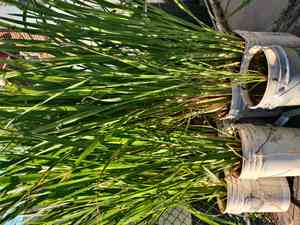
1
Manchurian wildrice is a semi-hardy perennial thriving in damp, saturated environments.
2
While typically an outdoor species, it can be brought inside for winter in colder regions.
3
Appropriate trimming before the cold season promotes robust development in the spring.
Understanding the Plant's Nature
Understanding the Plant's Nature
Manchurian wildrice (Zizania latifolia) is a distinctive and adaptable aquatic perennial plant recognized for its edible shoots and abundant foliage. Typically found in East Asian wetlands, it thrives in saturated soil, making it a favored option for pond and water garden enthusiasts. As a half-hardy plant, Manchurian wildrice can endure light frost but needs additional protection in areas with harsh winter conditions. Whether you're an experienced gardener or a novice, comprehending this plant's specific requirements is crucial for successful overwintering.
How Do You Prepare Manchurian wildrice for Winter?
Assessing the Climate
Before you begin preparing your Manchurian wildrice for winter, it's vital to understand your region's climate. For example, areas with mild winters might only need minimal preparations, while colder regions may require more extensive measures like indoor overwintering. Checking your local frost dates can assist in planning. Remember that Manchurian wildrice is half-hardy and cannot flourish in extremely cold temperatures.
Choosing the Right Location
Selecting the appropriate spot for your Manchurian wildrice is essential for its winter survival. Outdoor plants should be in a protected area away from strong winds. If you're overwintering this plant indoors, choose a location with ample sunlight and stable temperatures. A spot near a south-facing window is usually ideal.
Pruning Tips
Pruning your Manchurian wildrice helps maintain its health during the dormant winter months. Start by removing any dead or damaged leaves to prevent diseases. Trim back overgrown shoots to encourage new growth in the spring. Aim to prune on a dry day to minimize the risk of fungal infections.
How to Overwinter Manchurian wildrice Outdoors
Protecting Against Frost
Frost can be harmful to Manchurian wildrice. To protect your plant, cover it with a frost cloth or blanket on nights when frost is predicted. This barrier can provide an extra layer of warmth, preventing frost damage.
Mulching and Insulating
Mulching is an effective way to insulate the roots of your Manchurian wildrice. Apply a thick layer of mulch, such as straw or bark, around the base of the plant. This helps retain soil moisture and shields the roots from freezing temperatures.
Watering and Moisture Management
Although Manchurian wildrice loves water, it's important to manage moisture levels during winter. Water the plant sparingly, as overly soggy conditions can lead to root rot. Ensure the soil remains moist but not waterlogged.
How to Overwinter Manchurian wildrice Indoors
Ideal Indoor Conditions
When bringing Manchurian wildrice indoors for the winter, replicate its natural environment. Maintain temperatures around 15-20°C (59-68°F) and provide plenty of indirect sunlight. Avoid placing the plant in drafty areas or near heating vents.
Pots and Containers
Select pots and containers that allow adequate drainage to prevent waterlogging. Use large containers to accommodate the plant's root system and ensure the soil is rich and loamy. Containers should have drainage holes to allow excess water to escape.
Monitoring Indoor Humidity
Humid conditions are beneficial for Manchurian wildrice. Increase humidity by using a pebble tray filled with water under the pot or placing a humidifier nearby. Regular misting can also help maintain moisture levels.
Common Issues and Troubleshooting
Signs of Stress
Even with the best care, your Manchurian wildrice may show signs of stress during winter. Wilting, yellowing leaves, or stunted growth indicate potential issues. Ensure you're meeting the plant's watering, light, and temperature needs to mitigate these stress signs.
Pest and Disease Management
Pests such as aphids and fungal diseases can trouble Manchurian wildrice during winter. Regularly inspect the plant for any signs of infestation or disease. Use organic pesticides or fungicides to treat problems. Removing affected foliage promptly can also prevent the spread of diseases.



