How to Overwinter Witch hazel
1
Witch hazel tolerates cold well, enduring temperatures as low as -34°C (-30°F).
2
Appropriate mulching insulates Witch hazel roots in severe winter conditions.
3
Consistent pruning prior to winter aids Witch hazel in preserving its form and vitality.
What Makes Witch hazel Frost Hardy?
What Makes Witch hazel Frost Hardy?
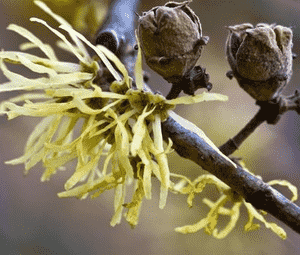
The Witch hazel is well-known for its capacity to endure low temperatures, owing to its inherent frost resistance. The plant's resilience stems from its robust root system and sturdy build, enabling it to flourish even in conditions as cold as -34°C (-30°F). Originating from North America, Witch hazel has successfully adapted to diverse climates, displaying remarkable endurance against frost and snow. This shrub's late autumn flowering cycle also means its blossoms frequently avoid the harshest winter cold, allowing the plant to conserve energy during the colder periods.
When to Start Preparing Witch hazel for Winter
Optimal Timing Based on Your Climate Zone
The schedule for winter preparations largely depends on your specific climate region. Gardening zones 3 to 9 in the U.S. are ideal for Witch hazel. Begin preparations in late autumn, typically from mid-October to early November, before the ground starts to freeze solid.
Monitoring Weather Forecasts
Closely monitor weather predictions as the season progresses. Early frost warnings should prompt immediate action to safeguard your Witch hazel from sudden temperature drops. An unexpected frost can catch your plant unprepared, causing significant harm if not adequately insulated.
How to Mulch Witch hazel for Winter Protection
Best Mulch Types for Witch hazel
Selecting the appropriate mulch is vital for protecting Witch hazel. Organic mulches such as straw, shredded bark, and leaf mold are excellent choices. These mulches offer superb insulation, maintaining stable soil temperatures and shielding the roots from extreme cold.
Proper Mulching Technique
Apply a generous layer of mulch, approximately 7-10 cm (3-4 inches) deep, around the plant's base. Ensure the mulch extends to the drip line but avoid piling it directly against the trunk to prevent rot. A correctly applied mulch layer will help retain soil moisture and provide essential insulation throughout winter.
Should You Water Witch hazel in Winter?
Watering Frequency and Amounts
Watering Witch hazel during winter demands a careful approach. Although the plant is dormant, it still requires sufficient moisture to survive. Water thoroughly before the ground freezes to ensure the roots have ample water. Once the ground is frozen, reduce watering frequency to prevent waterlogging.
Signs of Under and Overwatering in Winter
Watch for indications of both insufficient and excessive watering. Shriveled leaves and dry soil suggest inadequate watering, whereas soggy soil and root rot point to overwatering. Adjust your watering schedule based on these signs for optimal plant health.
How to Prune Witch hazel Before Winter
Timing Your Pruning
Prune your Witch hazel in late autumn, just before winter arrives. This timing helps remove any dead or diseased branches, reducing the risk of disease and pest infestations during the cold months.
Best Pruning Practices for Witch hazel
Use clean, sharp tools to make precise cuts. Focus on removing dead, diseased, or weak branches to improve airflow and light penetration. Avoid heavy pruning, as excessive cuts can stress the plant.
Common Winter Pests and Diseases in Witch hazel
Identifying Common Winter Pests
Keep an eye out for pests like spider mites and scales that can affect Witch hazel during winter. Regularly inspect the plant for signs of pest activity, such as webbing or discolored leaves.
Preventive Measures for Disease Control
To prevent diseases, ensure proper airflow by not overcrowding the plants. Mulch carefully and avoid excess moisture around the base. Applying dormant oil spray can also help manage overwintering pests and diseases.



