How to Overwinter California coffeeberry
1
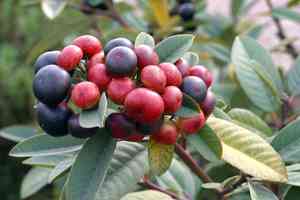
California coffeeberry, an evergreen shrub, is recognized for its resilience in cooler climates.
2
Applying mulch around the plant's base aids in retaining soil hydration and shielding roots from freezing temperatures.
3
Consistent observation throughout winter for any indications of frost harm guarantees the plant remains in good condition.
Understanding California coffeeberry's Frost Hardiness
Understanding California coffeeberry's Frost Hardiness
The California coffeeberry (Frangula californica) is a robust evergreen shrub native to California. This plant is renowned for its impressive capacity to endure freezing conditions, making it an excellent option for gardeners seeking to add greenery to their winter landscape. However, like all plants, it requires specific care to flourish during colder months. Grasping its inherent frost resilience is the initial step in preparing it for winter. Despite its toughness, extreme or prolonged cold can still pose a threat. Knowing your local climate and the particular needs of your coffeeberry plant will ensure it stays healthy and vibrant all year.
Preparing California coffeeberry for Winter
Watering Needs Before Frost
Prior to the arrival of frost, ensuring your California coffeeberry has sufficient moisture is vital. This plant benefits from a thorough watering before the ground starts to freeze. Typically, this involves providing a deep soak (approximately 2.5 to 10 cm or 1 to 4 inches of water) to help the roots build their winter resistance.
Mulching for Insulation
Mulching is an excellent method to insulate the roots of your California coffeeberry against harsh winter temperatures. Apply a layer of mulch around the plant's base, about 5 to 7.5 cm (2 to 3 inches) thick, using organic material like bark or compost. This layer helps maintain soil moisture and offers a protective barrier against the cold.
Pruning Tips and Timing
Pruning your California coffeeberry before winter is a crucial step to promote healthy development. Late autumn, before the first frost, is the optimal time to prune. Remove any dead or diseased branches and trim back overgrown areas to enhance air circulation. This not only helps the plant withstand winter but also prepares it for vigorous growth in the spring.
How to Protect California coffeeberry from Harsh Winters
Using Frost Cloths and Covers
For severe frosts, frost cloths or plant covers can provide extra protection. These covers help retain heat and shield your California coffeeberry from icy winds. Ensure the cover reaches the ground to trap residual heat and remove it during the day if temperatures rise significantly to prevent overheating.
Positioning for Optimal Shelter
If your California coffeeberry is in a pot, move it to a location that offers protection from strong winter winds, such as against a wall or within a garden nook. For garden-planted coffeeberries, utilizing natural windbreaks like hedges or placing temporary wind blocks can significantly reduce the risk of frost damage.
Soil Amendments for Winter Care
Amending the soil before winter can help California coffeeberry better withstand the cold. Adding organic matter or compost enriches the soil and improves its structure, aiding in water retention and root insulation. A balanced fertilizer applied in late fall can also provide essential nutrients that support the plant through the colder months.
Monitoring California coffeeberry During Winter
Regularly Checking Soil Moisture
Even in winter, your California coffeeberry will require occasional watering if the soil becomes dry. Periodically check the soil moisture, approximately once a month. Remember, excessively wet soil can be just as harmful as dry soil, so balance is crucial.
Identifying Signs of Frost Damage
Regularly inspect your California coffeeberry for indications of frost damage, such as blackened leaves or stems. Early detection allows for prompt action, such as removing the affected parts to prevent further damage. Keeping an eye on weather forecasts can also help you anticipate and mitigate frost risk.
Spring Revival Tips for California coffeeberry
Gradual Exposure to Sunlight and Warmth
As winter recedes, gradually expose your California coffeeberry to increased sunlight and warmth to prevent shock. Slowly move potted plants out of sheltered positions and monitor weather patterns to avoid late frosts.
Fertilizing Post-Winter
After the final frost, give your California coffeeberry a nutrient boost with a balanced fertilizer to encourage new growth. A slow-release fertilizer is ideal, providing sustained nourishment as the plant enters its active growth phase.



