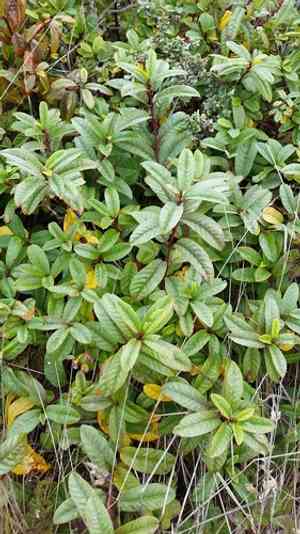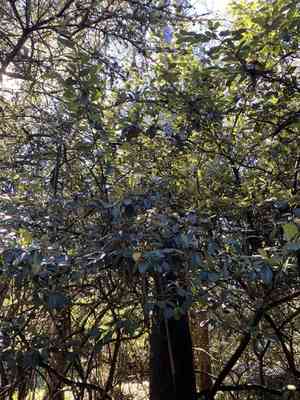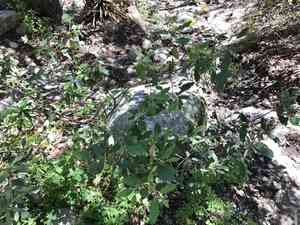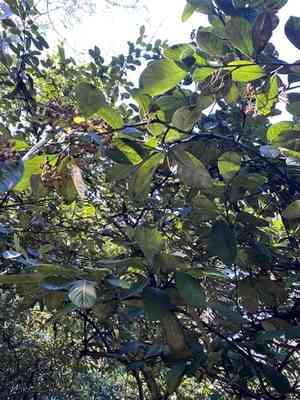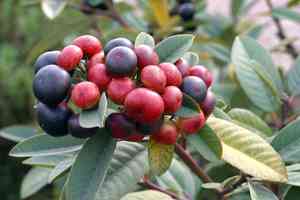
California coffeeberry(Frangula californica)

California coffeeberry (Frangula californica)

Also known as: Coffeeberry, Hoary coffeeberry

Frangula californica, also known as California coffeeberry, typically grows between 3 to 12 feet tall and serves various purposes.

**Traditional Uses:**
1. **Medicinal:** Indigenous communities utilized the bark as a natural laxative and for treating various health conditions.
2. **Dye Production:** The berries were employed to create natural dyes for textiles.
3. **Edible Uses:** While not a staple, some Native American tribes consumed the berries occasionally.

**Modern Uses:**
1. **Ornamental Landscaping:** Favored in drought-resistant and native plant gardens for its resilience and aesthetic appeal.
2. **Erosion Control:** Applied in ecological restoration projects to stabilize soil and prevent erosion.
3. **Wildlife Support:** Offers food and habitat for birds and other wildlife, enhancing biodiversity in garden spaces.

These diverse applications underscore the ecological and cultural significance of Frangula californica.

Attributes of California coffeeberry

Lifespan
Perennial
Plant Type
Shrub
Plant Height
91 cm to 3.5 m
Spread
1.5 m to 4.5 m
Leaf Color
Green
Flower Size
2.5 cm
Flower Color
Yellow Green

ForwardPlant - Identify plants with a snap

Identify and diagnose plants, get toxicity alerts, and explore safety guides for all types of fungi.

Try for Free

Images of California coffeeberry

California coffeeberry(Frangula californica)

Quickly Identify California coffeeberry

1
Look for dark green, leathery leaves with a shiny surface and slightly serrated edges. The plant has small, unassuming flowers and produces red to black berries.

Scientific Classification of California coffeeberry

Phylum
Vascular plants
Class
Dicotyledons
Order
Rosales
Family
Buckthorn
Genus
Alder buckthorns
Species
California coffeeberry

Planting and Growing of California coffeeberry

Care Difficulty
Easy
Watering Schedule
Every 2 days
Sunlight Requirements
Full sun
Sunshine Duration
6-10 hours
Ideal Temperature
60-75℉
Soil Type
Potting Mix, Peat Mix
Soil pH
6.5-7.5
Fertilizer Type
Balanced
Pruning Season
Spring, Summer
Pruning Area
Branches, Leaves
Pruning Frequency
2 times a year
Repotting Season
Spring
Pot Type
Plastic, Ceramic

water icon How to Water California coffeeberry?

Frangula californica, commonly known as California buckthorn, requires about 1000 milliliters of water per session. This plant thrives when its soil is kept moist but not waterlogged. Water until the soil is consistently moistened, allowing excess to drain to prevent root rot. Aim to keep a balance where the root zone gets ample moisture without causing standing water.
What are the symptoms of an underwatered California coffeeberry?
What should I do if my California coffeeberry is not getting enough water?
What are the symptoms of an overwatered California coffeeberry?
How to save an overwatered California coffeeberry?

sunlight icon What Are the Sunlight Requirements for California coffeeberry?

Sunlight Requirements: Full sun, Partial sun
Duration of light: 6 to 8 hours
Frangula californica prefers full to partial sun and thrives best when exposed to six to eight hours of sunlight. The ideal light ensures healthy foliage and prolific berry production.
What is the ideal light exposure for Frangula californica?
How can I ensure my Frangula californica gets optimal sunlight?
What are the benefits of Frangula californica receiving ideal light conditions?
More About Sunlight Requirements Techniques

temperature icon What Is the Ideal Temperature Range for California coffeeberry?

Ideal Temperature: 60 ~ 75℉
The ideal temperature range for Frangula californica, commonly known as California coffeeberry, is between 60°F and 75°F. This range provides optimal conditions for growth, ensuring that the plant can photosynthesize effectively and maintain a healthy physiological balance. In this temperature band, the plant can absorb nutrients properly and produce robust, healthy foliage.

soil icon What Soil is Best for California coffeeberry?

Soil type: Sandy loam, Loam
Soil PH: 6.5 ~ 7.5
Frangula californica thrives in well-drained soil, which prevents root rot and ensures that excess water doesn't suffocate the roots. This is especially crucial in sandy loam and loam soils that provide both the drainage and nutrient retention needed for healthy growth. While Frangula californica is not overly demanding, it benefits from soil with moderate fertility. A balanced nutrient profile supports its lush growth and vibrant foliage, making your garden stand out with its rich greenery. This plant is best suited for slightly acidic to neutral pH levels between 6.5 and 7.5. It enables optimal nutrient uptake, ensuring the plant remains robust and its leaves maintain their distinctive sheen.

fertilize icon How to Fertilize California coffeeberry?

Fertilizer type: Balanced
For Frangula californica, a balanced fertilizer is crucial. Apply 1/2 cup of a 10-10-10 granular fertilizer per plant. Ensure even distribution around the root zone but avoid direct contact with the stem to prevent burning.

prune icon How to Prune California coffeeberry?

Pruning Time: Spring, Autumn
Before you start pruning the Frangula californica, make sure your tools are sharp and properly sanitized. This reduces the risk of infecting the plant with diseases. Clean tools minimize damage to the plant tissues, helping it recover faster. Understanding the growth habit of Frangula californica is crucial. It's a sprawling evergreen shrub that benefits from careful and conservative pruning. Avoid severe pruning, as this can stress the plant and affect its growth. Aim to maintain a natural appearance while ensuring it is well-shaped.

propagate icon How to Propagate California coffeeberry plant?

Propagate Time: Spring, Early spring, Late spring
1
Start by preparing a well-draining growing medium, such as a mixture of peat and perlite, which ensures that the plant roots receive adequate oxygen and do not get waterlogged.
2
Collect seeds from mature plants during the late summer to autumn. For cuttings, choose healthy stems in early spring and cut them at a 45-degree angle to maximize the rooting surface area.
3
Plant seed in prepared trays or cuttings in pots with the growing medium. Maintain a consistent watering schedule, ensuring the soil remains moist but not soggy, and place pots in a warm, well-lit area to facilitate growth.
More About Propagating Techniques

repot icon How to Repot California coffeeberry plant?

Repotting frequency: Every 2-3 years
1
Frangula californica shows signals for repotting when you notice its roots starting to crowd or spiral at the container's bottom, or water isn't penetrating well. Typically, this shrub benefits from a pot change when growth slows down, indicating it's becoming root-bound. Choosing the right moment, ideally during the active growing phase of spring or autumn, ensures the plant has ample time to adjust in its new environment.
2
Select a pot that is 2-3 inches larger in diameter than the current one. Ensure it has adequate drainage holes at the bottom to prevent waterlogging. A terracotta pot is often beneficial as it allows for natural aeration and prevents the roots from sitting in water, ultimately protecting them from rot.
3
Opt for a well-draining, sandy soil mix with good aeration to encourage root health. A blend of standard potting soil mixed with horticultural sand and a bit of perlite or pumice works wonders. This setup not only replicates its natural habitat but also ensures excess moisture drains away, preventing root rot while providing enough nutrients.

ForwardPlant - Identify plants with a snap

Find the best spots for them to optimize their health, simply using your phone.

Try for Free

Toxicity of California coffeeberry

Is California coffeeberry toxic to humans?

The California coffeeberry features attractive berries that adults should avoid and keep away from children's access. While multiple sources claim these berries are edible and delicious, this is hazardous misinformation. The berries contain toxic glycosides that can lead to stomach disturbances, nausea, excessive salivation, vomiting, gas, cramps, and diarrhea. Young children or individuals who consume a large quantity may experience more severe symptoms. Typically, these symptoms will subside within a few days.

Identify toxic plants for your safety

Learn which plants are harmful to you and your pets, and make informed choices for a safer home!

Try for Free
WARNING
The judgment on toxicity and danger is for reference only. We DO NOT GUARANTEE any accuracy of such judgment. Therefore, you SHALL NOT rely on such judgment. It is IMPORTANT TO SEEK PROFESSIONAL ADVICE in advance when necessary.
More About Toxic Techniques