Enhancing Your Garden Design with the Oval-Leaved Blueberry Plant: A Landscaping Guide
1
Oval-Leaved Blueberry offers both visual charm and functional advantages for your outdoor space.
2
When establishing Oval-Leaved Blueberry, take into account elements such as light exposure and ground composition.
3
Regular upkeep and managing typical issues will ensure Oval-Leaved Blueberry flourishes.
Introducing Oval-Leaved Blueberry in Garden Design
Overview of Oval-Leaved Blueberry 's contribution to outdoor beauty
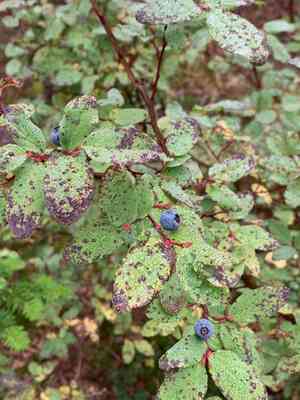
To elevate your garden's visual appeal, Oval-Leaved Blueberry can be transformative. Its appealing foliage and vibrant fruit offer a captivating addition, bringing unique charm to your outdoor area. Whether you're an experienced gardener or just beginning, integrating Oval-Leaved Blueberry into your landscape can significantly boost its aesthetic value.
Advantages of incorporating Oval-Leaved Blueberry into your garden
Adding Oval-Leaved Blueberry to your garden not only enhances its look but also provides several practical benefits. It creates a habitat for local wildlife, fostering biodiversity. The berries feed birds, and the plant can act as a natural barrier or ground cover, helping to prevent erosion. Moreover, Oval-Leaved Blueberry can be a relatively low-maintenance choice, ideal for gardeners seeking beauty without extensive upkeep.
Choosing the Best Spot for Oval-Leaved Blueberry
Factors to consider when positioning Oval-Leaved Blueberry
Selecting the correct placement for Oval-Leaved Blueberry in your garden is vital for its development and visual appeal. Begin by evaluating your garden's overall layout and how Oval-Leaved Blueberry can integrate into the existing design. Think about available space, nearby plants, and visual balance. It's crucial to allow ample room for Oval-Leaved Blueberry to grow without overshadowing other plants.
How light and soil impact Oval-Leaved Blueberry 's growth in outdoor settings
Oval-Leaved Blueberry flourishes under specific conditions that you'll need to replicate in your garden. This plant thrives best in areas receiving partial to full sun. Regarding soil, Oval-Leaved Blueberry prefers well-draining, acidic types. Regular soil tests can help maintain optimal pH levels. By meeting these fundamental needs, you'll ensure Oval-Leaved Blueberry grows vigorously, contributing to a lively garden landscape.
Designing with Oval-Leaved Blueberry : Visual Considerations
Utilizing Oval-Leaved Blueberry to establish garden focal points
One of the most effective ways to use Oval-Leaved Blueberry in your garden is by creating focal points. These act as visual anchors, drawing attention and adding depth to your landscape. Position Oval-Leaved Blueberry in prominent areas, such as near garden paths or at the center of plant groupings. Its distinct appearance will naturally become a talking point and highlight your garden's design.
Companion plants and color schemes for Oval-Leaved Blueberry
To maximize Oval-Leaved Blueberry 's aesthetic potential, consider pairing it with complementary plants. Choose selections that either contrast or harmonize with its colors. For example, evergreens can offer a green backdrop that accentuates Oval-Leaved Blueberry 's colorful berries, while flowering plants can provide contrasting blooms that make the garden vibrant. Aim for a balance of textures and colors to create a visually cohesive landscape.
Care Guidelines for Oval-Leaved Blueberry in Landscapes
Routine upkeep and seasonal care for Oval-Leaved Blueberry
Maintaining Oval-Leaved Blueberry is quite simple, making it a popular choice among gardeners. Regular tasks include watering, mulching, and occasional pruning to maintain its shape and encourage healthy growth. Seasonal care is especially important; during spring and summer, ensure the soil stays moist but not waterlogged. Conversely, reduce watering in colder months to prevent root rot.
Addressing common issues when cultivating Oval-Leaved Blueberry
While Oval-Leaved Blueberry is generally a resilient plant, it can encounter challenges like pests and diseases. Common pests include aphids and caterpillars, which can be managed with natural predators or organic treatments. Fungal diseases can also affect Oval-Leaved Blueberry, particularly in excessively moist conditions. Ensure good air circulation and avoid overhead watering to minimize these risks. By remaining attentive and proactive, you can keep Oval-Leaved Blueberry healthy and flourishing in your garden.



