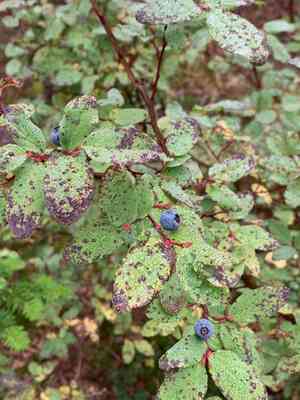
Oval-Leaved Blueberry (Vaccinium ovalifolium)
Also known as: Black Huckleberry, Oval-leaf huckleberry, Early blueberry, Alaskan huckleberry
The Oval-Leaved Blueberry, also known as the oval-leaf huckleberry, is a shrub that yields dark blue or black berries, occasionally with a waxy finish. These berries are delicious when eaten fresh and are popular in baking, such as in muffins or pies. They are also commonly used to make jams, jellies, and even liqueur. The leaves of the plant can be brewed into an herbal tea, while the berry juice is sometimes utilized for making natural dyes.
In This Article
Attributes of Oval-Leaved Blueberry
Lifespan
Perennial
Plant Type
Shrub
Plant Height
1.3 m
Spread
60 cm
Leaf Color
Dark green
Flower Size
4 mm to 6 mm
Flower Color
Pink
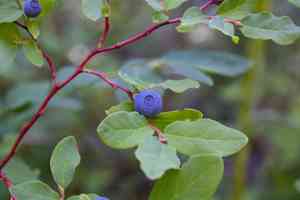
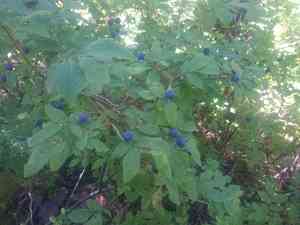
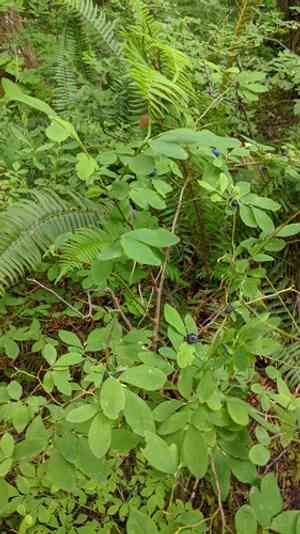
Images of Oval-Leaved Blueberry
Quickly Identify Oval-Leaved Blueberry
1
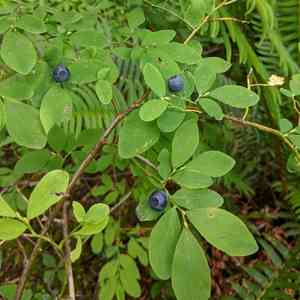
Vaccinium ovalifolium can be identified by its oval-shaped leaves, which are dark green on the upper surface and lighter underneath. The shrub produces small, pink or white bell-shaped flowers and round, blue-black berries.
Scientific Classification of Oval-Leaved Blueberry
Phylum
Vascular plants
Class
Dicotyledons
Order
Ericales
Family
Heath
Genus
Blueberries
Species
Oval-Leaved Blueberry
Planting and Growing of Oval-Leaved Blueberry
Care Difficulty
Easy
Watering Schedule
Every 3 days
Sunlight Requirements
Partial sun
Sunshine Duration
4-8 hours
Ideal Temperature
50-70℉
Soil Type
Potting Mix, Peat Mix
Soil pH
4-5.5
Fertilizer Type
Balanced
Pruning Season
Spring, Summer
Pruning Area
Branches, Leaves
Pruning Frequency
2 times a year
Repotting Season
Spring
Pot Type
Plastic, Ceramic
 How to Water Oval-Leaved Blueberry?
Water Vaccinium ovalifolium with about 500ml per session, ensuring the soil is thoroughly moist but not waterlogged. This amount allows water to penetrate deeply into the roots while avoiding standing water in the pot.
What are the symptoms of an underwatered Oval-Leaved Blueberry?
›
What should I do if my Oval-Leaved Blueberry is not getting enough water?
›
What are the symptoms of an overwatered Oval-Leaved Blueberry?
›
How to save an overwatered Oval-Leaved Blueberry?
›
 What Are the Sunlight Requirements for Oval-Leaved Blueberry?
Vaccinium ovalifolium thrives best in partial sun, receiving 4 to 6 hours of direct sunlight daily. This balance is crucial for photosynthesis, promoting robust growth, healthy foliage, and abundant flowering.
More About Sunlight Requirements Techniques→
Solution
›
Specific Measures
›
Effects
›
 What Is the Ideal Temperature Range for Oval-Leaved Blueberry?
Vaccinium ovalifolium, commonly known as the oval-leaf blueberry, thrives best in environments where the temperatures range from 50°F to 70°F. These moderate temperatures provide optimal conditions for leaf development, flowering, and fruiting. Cooler regions within this range can enhance fruit quality, while warmer conditions encourage more vigorous growth.
 What Soil is Best for Oval-Leaved Blueberry?
Vaccinium ovalifolium thrives in nutrient-rich soils that provide vital nourishment for growth. Ensuring the soil has sufficient organic matter enhances its fertility, aiding in the development of lush foliage and robust fruit production. Well-drained soil is essential to prevent root rot and ensure that Vaccinium ovalifolium roots have access to oxygen. This condition also helps in avoiding waterlogged situations, thereby maintaining a healthy root system. A consistently moist soil is ideal for Vaccinium ovalifolium, as it helps in sustaining hydration levels crucial for berry production and overall plant vitality. Maintaining appropriate moisture prevents drought stress.
 How to Fertilize Oval-Leaved Blueberry?
For Vaccinium ovalifolium, the amount of fertilizer should be moderate. Apply around 10-15 grams of balanced fertilizer per square meter during each session. Ensure that the fertilizer is well-dispersed to prevent concentrated spots that could damage the roots.
 How to Prune Oval-Leaved Blueberry?
Begin by identifying and removing any dead or diseased wood. These branches are often discolored or shriveled. Removing them not only improves the appearance and health of the plant but also encourages new growth. After clearing diseased wood, focus on shaping your Vaccinium ovalifolium. Aim to create a balanced, open structure that allows sunlight to penetrate the interior of the plant. This can encourage fruit development and improve the overall health of the bush. Remove branches that crisscross or seem overcrowded. This helps improve air circulation, reducing the risk of fungal diseases and ensuring the interior branches receive ample sunlight.
More About Pruning Techniques→
 How to Propagate Oval-Leaved Blueberry plant?
1
Collect ripe berries from the plant and extract the seeds by mashing the fruits and rinsing them in water to remove pulp carefully. Dry the seeds properly before sowing.
2
Select semi-hardwood cuttings, ensuring each cutting has at least three leaf nodes. Trim the cutting just below a node, and remove the lowest leaves before dipping in rooting hormone.
3
Choose a low-growing branch, gently bend it to the soil level, and cover a section of the branch with soil. Keep the soil moist until roots form and the new plant can be separated.
 How to Repot Oval-Leaved Blueberry plant?
1
For Vaccinium ovalifolium, the ideal repotting time is when you see the roots growing out of the drainage holes, or if the soil is drying exceedingly fast. These indications suggest that the plant has outgrown its current pot and requires more space.
2
Choose a pot that is about 2 inches larger in diameter than the current one. This provides ample space for root expansion without overwhelming the plant. Ensure the pot has adequate drainage holes to prevent waterlogging, crucial for the health and productivity of the plant.
3
Opt for a light, acidic, and well-draining soil mix rich in organic matter. This type of soil mimics the natural habitat of Vaccinium ovalifolium, providing essential nutrients and fostering proper moisture retention, while preventing root rot.



