Enhancing Your Garden Design with the Green cockscomb Plant: A Landscaping Guide
1
Green cockscomb is an easy-care plant that flourishes in diverse environments.
2
Incorporating Green cockscomb into your garden can draw in helpful creatures.
3
Cultivating Green cockscomb offers an excellent method to establish vivid color differences in your outdoor space.
Introducing Green cockscomb to Your Garden
Why Choose Green cockscomb for Landscaping?
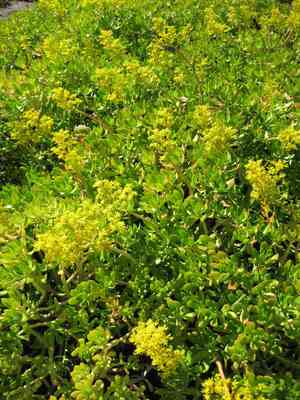
Selecting Green cockscomb for your outdoor space means choosing a vibrant, easy-care, and robust plant. This adaptable succulent is recognized for its thick, fleshy foliage and striking yellow-green hue, which can brighten any garden. A key benefit of Green cockscomb is its versatility; it thrives in both sunny and partly shaded spots, making it a flexible option for various garden designs. Its ability to withstand dry conditions also means less frequent watering, saving time and effort in upkeep.
Initial Considerations Before Planting
Prior to planting Green cockscomb, it's crucial to properly prepare your garden. First, pick a spot that gets ample sunlight, as Green cockscomb prefers well-lit areas to flourish. Ensure the soil drains effectively, as this plant does not perform well in waterlogged conditions. If soil quality is poor, consider adding compost or other organic matter to enhance drainage and fertility. Lastly, plan your garden layout to allow sufficient room for Green cockscomb to grow and spread, ensuring it doesn't compete too closely with nearby plants.
Design Ideas with Green cockscomb
Creating Color Contrasts
A primary way Green cockscomb can enhance your landscape is by generating striking color contrasts. Its bright yellow-green leaves can stand out vividly against darker plants or blooms, creating a visually appealing scene. Try pairing Green cockscomb with purple, red, or blue flowering plants to make both colors pop. These contrasts not only add beauty but can also guide the viewer's gaze through your garden, highlighting different areas and creating a sense of depth and complexity in your design.
Incorporating Green cockscomb in Rock Gardens
Green cockscomb is an excellent choice for rock gardens due to its tough nature and interesting texture. Rock gardens typically mimic dry, mountainous environments, which are ideal settings for succulents like Green cockscomb. Planting Green cockscomb among rocks and gravel can create a naturalistic effect, emphasizing the plant's unique structure and coloration. The contrast between the plant's lushness and the ruggedness of rocks creates an appealing visual and tactile experience. Additionally, the low water needs of Green cockscomb fit perfectly with the sustainable essence of rock gardens.
Borders and Edges with Green cockscomb
Using Green cockscomb to define borders and edges in your garden can give your landscape a tidy, organized appearance while adding texture and color. The plant's dense, spreading growth habit makes it a natural border plant. It can be used to line paths, driveways, or the edges of flower beds, providing a striking visual boundary. Moreover, Green cockscomb's robustness helps prevent soil erosion around these edges, contributing to a more stable garden structure.
Combinations with Other Plants
Combining Green cockscomb with other plants can create a diverse and vibrant landscape. Its neutral yet vivid hue complements a wide range of other plants, from colorful annuals to evergreen shrubs. Consider pairing Green cockscomb with other succulents to create a textured tapestry of different shapes and sizes. Alternatively, planting Green cockscomb alongside flowering perennials can create a dynamic mix of foliage and blooms, bringing continual interest throughout the growing season.
Maintenance Tips for Green cockscomb in Landscapes
Seasonal Care Adjustments
Caring for Green cockscomb involves adapting your maintenance routine to the seasons. During the active growth period (spring and summer), ensure the plant receives sufficient sunlight and occasional watering, especially during extended dry spells. In colder months, reduce irrigation to prevent root rot, as Green cockscomb enters a dormant phase. Protect the plant from frost by using mulch or moving potted specimens indoors. Regularly removing dead or damaged leaves can also help maintain the plant's overall health and appearance.
Managing Growth and Spread
To manage the growth and spread of Green cockscomb, occasional pruning and division may be necessary. This plant can spread quickly, so if you notice it encroaching on other areas of your garden, trim back the excess growth. Pruning not only controls the plant's size but also encourages new, healthy growth. If Green cockscomb becomes too dense, consider dividing the plants to promote better air circulation and reduce the risk of disease. Divided plants can be replanted in other areas of your garden, providing an easy way to propagate and expand your landscape with Green cockscomb.
Environmental Benefits of Including Green cockscomb in Your Landscape
Drought Tolerance and Lower Water Usage
Green cockscomb is particularly valued for its drought tolerance, making it an eco-friendly choice for gardens in regions with water scarcity. Its succulent nature means it can store water in its leaves, reducing the need for frequent watering. This characteristic helps conserve water, lowering your garden's overall water usage and reducing maintenance efforts. In the long run, including drought-tolerant plants like Green cockscomb in your landscape can contribute to more sustainable and environmentally friendly gardening practices.
Attracting Wildlife and Supporting Biodiversity
Incorporating Green cockscomb into your garden can also support local biodiversity. Its flowers can attract pollinators such as bees and butterflies, which are crucial for the health of many ecosystems. Additionally, the plant's structure provides shelter for small insects and other wildlife. By creating a habitat for these creatures, you're contributing to the ecological balance and health of your garden. A diverse garden not only supports a wider range of wildlife but also tends to be more resilient to pests and diseases.



