Enhancing Your Garden Design with the Foxtail pine Plant: A Landscaping Guide
1
Adding Foxtail pine to your garden can offer both visual appeal and environmental advantages.
2
Foxtail pine presents a distinct shape and seasonal transformations that boost aesthetic value throughout the year.
3
Appropriate maintenance and thoughtful positioning of Foxtail pine will guarantee a robust, flourishing element in your outdoor space.
Introducing Foxtail Pine in Landscape Design
Overview of Foxtail pine and its natural environment
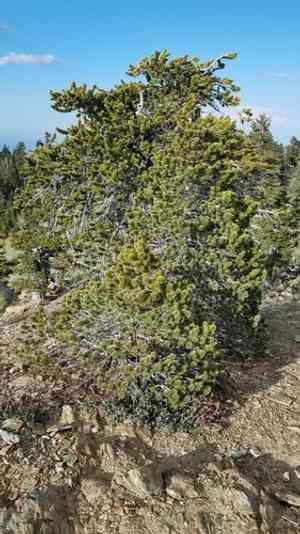
The Foxtail pine is a fascinating tree for landscape integration. Renowned for its durability and distinct features, this species originates from specific mountainous areas where it flourishes in rocky, well-drained ground. Foxtail pine has adapted to harsh conditions, making it exceptionally tough and low-maintenance, perfect for various landscaping needs.
The unique visual appeal of Foxtail pine
Foxtail pine offers a distinct aesthetic that can transform any garden. With its clustered, needle-like foliage and unique bark patterns, the tree creates a striking focal point. Its needles maintain a vibrant green color throughout the year, adding a lush, natural feel to your garden. This unique form can complement both modern and traditional landscape designs, suiting diverse aesthetic tastes.
How Foxtail Pine Enhances Outdoor Areas
Adding structure and form with Foxtail pine
A key advantage of Foxtail pine in your garden is the structure and shape it provides. The tree grows with a dense, conical form that adds vertical interest and can serve as a magnificent backdrop for other garden elements. Its shape helps create visual layers and depth, bringing a sense of order and grandeur to your outdoor space.
Seasonal changes and visual charm
Though Foxtail pine is evergreen, it presents subtle yet captivating seasonal shifts. In autumn, its needles may acquire a slight golden tint, and in spring, it experiences a burst of new growth. This seasonal variation ensures your garden remains dynamic and engaging all year, with the tree continuously adapting and enhancing the landscape's overall appeal.
Designing Your Landscape With Foxtail Pine
Selecting the optimal site for Foxtail pine in your garden
Choosing the perfect spot for your Foxtail pine is vital for its health and your garden's beauty. Ensure the location receives ample sunlight and has well-draining soil. Avoid placing it too close to structures or other large trees to allow for proper growth and air circulation. Consider how the tree's eventual size and shape will fit into your landscape design, creating a harmonious integration with other garden elements.
Companion plants and design concepts
To maximize the impact of Foxtail pine in your garden, pair it with plants that thrive in similar conditions. Consider drought-tolerant perennials and shrubs that can complement Foxtail pine's unique form and texture. Think about incorporating ground covers like low-growing sedums or bunch grasses that provide a contrasting yet harmonious underlay to the tree's structure. Grouping these plants can create a natural, cohesive look that enhances your garden's overall aesthetic.
Care Guidelines for Healthy Foxtail Pine
Fundamental care practices
Caring for your Foxtail pine involves straightforward yet effective practices. Water it regularly during its initial years to help establish a strong root system. Mulching around the base can help retain soil moisture and regulate temperature. Prune it sparingly to maintain its natural shape and remove any dead or damaged branches to encourage healthy growth.
Addressing common issues
While Foxtail pine is generally robust, it can encounter challenges like pests or diseases. Watch for signs of problems such as needle discoloration or unusual patterns on the bark. Addressing these early can prevent them from spreading. Regular inspections and maintaining overall garden health significantly contribute to ensuring your Foxtail pine remains vibrant and strong.
Ecological Advantages of Including Foxtail Pine
Contribution to biodiversity
Foxtail pine plays a crucial role in supporting local biodiversity. It provides habitat and food for various wildlife, including birds and beneficial insects. By incorporating this tree into your landscaping, you are contributing to a more diverse and balanced ecosystem.
Benefits for air quality and the local ecosystem
Beyond supporting biodiversity, Foxtail pine also improves air quality. It helps filter pollutants from the air and releases oxygen, enhancing the local environment. The tree's robust root system also helps prevent soil erosion, promoting a healthier and more sustainable garden.



