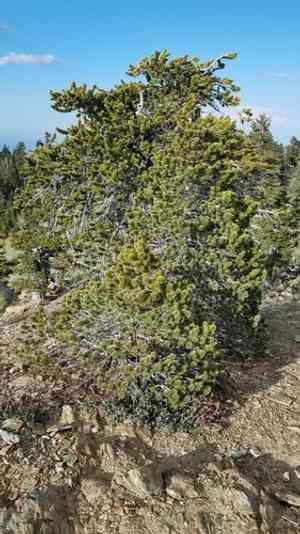
Foxtail pine(Pinus balfouriana)

Foxtail pine (Pinus balfouriana)

Also known as: Klamath foxtail pine

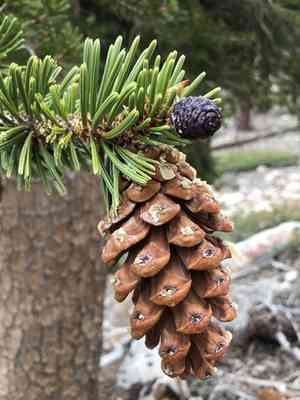
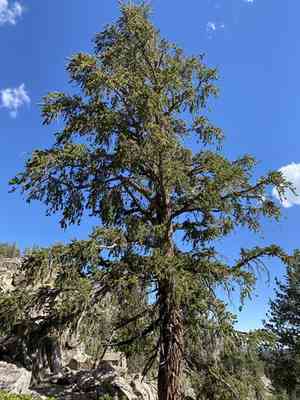
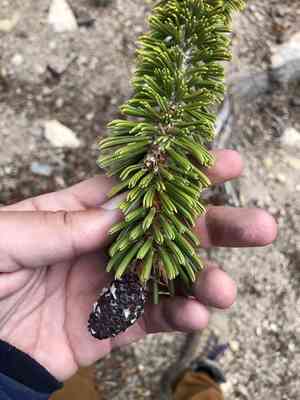
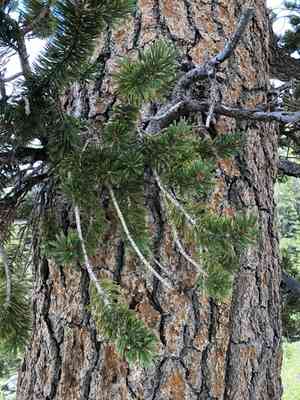
The Foxtail pine (Pinus balfouriana) is a resilient conifer thriving in the high-altitude regions of California's Klamath Mountains. It features thick, deeply furrowed bark that offers protection against wildfires and severe weather. Its branches are often twisted and gnarled, a growth form that helps withstand strong mountain winds. The tree's needles, grouped in dense clusters of five, are long-lasting, often persisting for up to two decades. This species has a slow growth rate and remarkable longevity, with some individuals living over a thousand years. Its stout, conical shape and blue-green needles are well-suited to the snowy, rugged alpine environment it inhabits.

Attributes of Foxtail pine

Lifespan
Perennial
Plant Type
Tree
Plant Height
30-60 feet
Spread
15-25 feet
Leaf Color
Dark green
Flower Size
N/A, non-flowering gymnosperm
Flower Color
N/A, non-flowering gymnosperm

ForwardPlant - Identify plants with a snap

Identify and diagnose plants, get toxicity alerts, and explore safety guides for all types of fungi.

Try for Free

Images of Foxtail pine

Foxtail pine(Pinus balfouriana)

Quickly Identify Foxtail pine

1
Pinus balfouriana can be identified by its dense clusters of needles, usually in groups of five. The needles are stiff, dark green, and about 1-2 inches long. The bark is reddish-brown and scaly. The cones are ovoid and can be 3-6 inches long.

Scientific Classification of Foxtail pine

Phylum
Vascular plants
Class
Conifers
Order
Pinales
Family
Pine
Genus
Pines
Species
Foxtail pine

Planting and Growing of Foxtail pine

Care Difficulty
Hard
Watering Schedule
Every day
Sunlight Requirements
Full sun
Sunshine Duration
6-10 hours
Ideal Temperature
50-68℉
Soil Type
Potting Mix, Peat Mix
Soil pH
5.5-7.5
Fertilizer Type
Balanced
Pruning Season
Spring, Summer
Pruning Area
Branches, Leaves
Pruning Frequency
Once a year
Repotting Season
Spring
Pot Type
Plastic, Ceramic

water icon How to Water Foxtail pine?

Pinus balfouriana requires careful attention to watering. It thrives in well-draining soil, so make sure to water so the soil is moist but not waterlogged. Typically, around 2000 ml should suffice, but adjust based on local climate and soil moisture.
What are the symptoms of an underwatered Foxtail pine? ›
What should I do if my Foxtail pine is not getting enough water? ›
What are the symptoms of an overwatered Foxtail pine? ›
How to save an overwatered Foxtail pine? ›

sunlight icon What Are the Sunlight Requirements for Foxtail pine?

Sunlight Requirements: Full sun
Duration of light: 6 to 8 hours
For Pinus balfouriana, the optimal light range is full sun exposure throughout most of the day. This benefits the tree by promoting healthy, vigorous growth and maintaining the plant's natural resilience.
Optimal Light Exposure ›
Improving Sunlight Access ›
Enhancing Growth Benefits ›

temperature icon What Is the Ideal Temperature Range for Foxtail pine?

Ideal Temperature: 50 ~ 68℉
Pinus balfouriana thrives best within an ideal temperature range of 50°F to 68°F. This range supports optimal metabolic activities and growth processes that are crucial for the development of strong and healthy trees. Within this temperature bracket, the plant’s cells function effectively, and the chlorophyll pigment works efficiently, ensuring sufficient energy conversion required for growth. Additionally, this range mitigates heat stress and prevents frost damage, providing a conducive environment for the plant’s overall well-being.

soil icon What Soil is Best for Foxtail pine?

Soil type: Sandy soil, Loam, Sandy loam
Soil PH: 5.5 ~ 7.5
Pinus balfouriana thrives in well-drained soil conditions which help prevent root rot. Good drainage enhances root access to air, promoting healthy growth and stabilization of the plant in its mountainous habitat. This hardy pine is adapted to nutrient-poor soil, often found in its natural high-elevation environments. It manages well without rich soil amendments, relying on its adaptation strategy for sustenance and endurance. While preferring well-drained soil, Pinus balfouriana also benefits from soil that can retain slight moisture to sustain life in its harsh growing climates, offering a balance that supports its survival.

fertilize icon How to Fertilize Foxtail pine?

Fertilizer type: Balanced
Pinus balfouriana, known as the Foxtail Pine, requires a balanced approach to fertilization. It thrives with a minimal but consistent supply of nutrients. Typically, using a 10-10-10 NPK fertilizer at a rate of 1/2 cup per inch of trunk diameter every two months during the growing season is sufficient.

prune icon How to Prune Foxtail pine?

Pruning Time: Spring, Summer
Make sure to use sharp, clean pruning shears or saws to make clean cuts that will heal more easily and reduce the risk of disease. It's vital to sterilize your tools before making cuts to prevent the transfer of diseases. Begin by removing dead or damaged branches to prevent rot and disease spread. Focus on thinning out crowded areas of the tree, cutting branches back to their branch collars, which facilitates proper healing. Avoid cutting more than a third of the tree's total branch structure in a single session. More About Pruning Techniques→

propagate icon How to Propagate Foxtail pine plant?

Propagate Time: Spring, Late spring
1
Collect seeds from mature Pinus balfouriana cones in the autumn. Ensure seeds are dry and free from mold by storing them in a cool, dry place before planting.
2
Before sowing, stratify the seeds for a period of 60-90 days in a refrigerator. This cold treatment simulates winter conditions and breaks seed dormancy, aiding germination.
3
For grafting, select healthy rootstocks and scion wood. Make sure that both parts are disease-free. Use a sharp knife to cut and join them, ensuring tight contact between the cambium layers.
More About Propagating Techniques→

repot icon How to Repot Foxtail pine plant?

Repotting frequency: Every 3-5 years
1
Pinus balfouriana shows signals for repotting when it becomes root-bound or its growth slows significantly. Look for roots encircling the pot's perimeter, or water draining too quickly. Repotting in spring or autumn ensures minimal stress as it coincides with the plant's natural growth cycles.
2
Select a pot that is one size larger than the current pot with ample drainage holes. The pot should be deep enough to accommodate root growth and prevent waterlogging, which can lead to root rot. A slightly larger pot allows room for growth without overwhelming the plant, ensuring stability.
3
Opt for an acidic, well-draining mix, rich in organic matter to simulate the natural mountainous habitat of Pinus balfouriana. A mix of pine bark, peat, and perlite works well. This composition maintains moisture while allowing excess water to escape, preventing root rot and encouraging healthy root expansion.

ForwardPlant - Identify plants with a snap

Find the best spots for them to optimize their health, simply using your phone.

Try for Free