Enhancing Your Garden Design with the Whitest Evening Primrose Plant: A Landscaping Guide
1
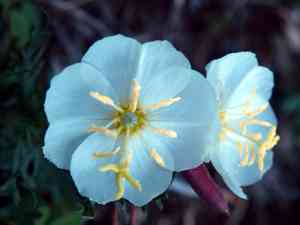
The Whitest Evening Primrose is recognized for its impressive nocturnal flowers, bringing a distinct aesthetic charm to outdoor spaces.
2
The Whitest Evening Primrose benefits native fauna, positioning it as a superb environmentally friendly option for any garden layout.
3
The Whitest Evening Primrose demonstrates remarkable versatility, flourishing across diverse settings and soil types.
Understanding the Role of Whitest Evening Primrose in Landscaping
The aesthetic value of Whitest Evening Primrose: Enhancing garden beauty
Whitest Evening Primrose offers a distinct visual appeal to any garden with its delicate, white blossoms that appear to glow at dusk. These lovely flowers can act as a central feature in a flower bed or be mixed with other plants to form a cohesive design. The subtle grace of Whitest Evening Primrose's blooms can elevate your garden's overall charm, fostering a peaceful and inviting atmosphere. Furthermore, its evening flowers provide a pleasant contrast to daytime bloomers, ensuring continuous visual interest. Incorporating Whitest Evening Primrose into your landscape can also add a romantic touch with its night-flowering characteristic, ideal for moonlit garden strolls.
Ecological benefits: Supporting local wildlife
When you incorporate Whitest Evening Primrose into your landscape, you're not only boosting the garden's beauty but also supporting local wildlife. This plant attracts various pollinators, including bees and butterflies, which are crucial for the ecosystem. Additionally, its flowers are known to draw nighttime pollinators like moths, enriching your garden's biodiversity. By providing a habitat for these beneficial insects, Whitest Evening Primrose helps in maintaining a balanced ecosystem. This ecological symbiosis ensures that your garden thrives naturally without the need for excessive chemical interventions.
Adaptability: How Whitest Evening Primrose thrives in varied environments
One of the standout features of Whitest Evening Primrose is its exceptional adaptability to different environments. Whether your garden has sandy, loamy, or even somewhat rocky soil, Whitest Evening Primrose can find a way to thrive. It prefers full sun but can tolerate partial shade, making it a versatile choice for various garden spots. This resilience means you won't have to worry too much about soil amendments or specific site conditions. Plus, its drought-tolerant nature ensures that Whitest Evening Primrose will continue to flourish even in less-than-ideal water conditions, making it a low-maintenance yet beautiful addition to your landscape.
Designing With Whitest Evening Primrose: Placement and Companions
Ideal placement for growth: Sun exposure and soil type
To maximize the growth and health of Whitest Evening Primrose, it's essential to consider its ideal placement in your garden. Whitest Evening Primrose thrives best in areas that receive full sunlight, as this encourages robust blooming and strong growth. However, it can also tolerate partial shade, giving you flexibility in your landscape design. Regarding soil, Whitest Evening Primrose is not particularly picky but prefers well-drained soils. Whether you have sandy, loamy, or even slightly rocky soil, as long as there is good drainage, Whitest Evening Primrose will thrive. Planting Whitest Evening Primrose in raised beds or alongside garden paths can also enhance its visibility and accessibility.
Companion planting: Plants that grow well with Whitest Evening Primrose
Creating a harmonious garden involves thoughtful companion planting, and Whitest Evening Primrose is highly compatible with a variety of plants. Consider pairing it with other drought-tolerant plants like lavender, sage, and yarrow for a cohesive look and similar care needs. These plants complement Whitest Evening Primrose both aesthetically and practically, sharing similar sunlight and water preferences. Additionally, combining Whitest Evening Primrose with early bloomers like tulips or daffodils can extend the visual appeal of your garden throughout the season. The contrasting shapes and colors of these plants will provide a dynamic and ever-changing garden display.
Creating color and texture contrasts with Whitest Evening Primrose
Whitest Evening Primrose's delicate white flowers can serve as the perfect neutral in a vibrant garden palette. To create striking color contrasts, consider planting Whitest Evening Primrose alongside brightly colored flowers such as purple coneflowers or red poppies. This contrast will make each plant's colors pop, adding depth and interest to your garden. Additionally, Whitest Evening Primrose's fine foliage can complement plants with coarser textures, like ornamental grasses or spiky yuccas, providing a balanced and visually appealing garden design. Using Whitest Evening Primrose to create these contrasts can transform a plain garden into a beautifully orchestrated landscape.
Seasonal Considerations for Whitest Evening Primrose
Blooming cycles: Maximizing aesthetic appeal
Whitest Evening Primrose typically blooms in the evening, from late spring to early fall, offering a prolonged period of interest in your garden. To maximize its aesthetic appeal, consider the timing of its blooms when planning your garden layout. Planting Whitest Evening Primrose in locations where you can enjoy its evening blossoms, such as near patios or walkways, will ensure you get the most out of its blooming cycle. Additionally, combining Whitest Evening Primrose with plants that bloom at different times will create a garden that is beautiful and engaging throughout the growing season.
Preparing Whitest Evening Primrose for different seasons
Preparing your garden for seasonal changes is key to maintaining the health of Whitest Evening Primrose. In spring, ensure the soil is well-drained and remove any winter debris that could hinder new growth. During the hot summer months, Whitest Evening Primrose can benefit from a layer of mulch to retain soil moisture and regulate temperature. In autumn, consider deadheading the spent blooms to encourage additional flowering and prevent self-seeding if you prefer to control its spread. Winter preparation may involve cutting back the plant and adding mulch for insulation if you live in colder climates, ensuring Whitest Evening Primrose returns robustly in the spring.
Longevity and perennial growth aspects
As a perennial, Whitest Evening Primrose offers the advantage of returning year after year, reducing the need for replanting. Its longevity means that with proper care, Whitest Evening Primrose can be a lasting component of your landscape design. Ensure its ongoing health by providing the necessary seasonal care and occasional fertilization if the soil is particularly poor. Dividing overcrowded plants every few years can also promote vigorous growth and prevent disease. By understanding and supporting Whitest Evening Primrose's perennial nature, you can enjoy its beauty and ecological benefits for many seasons to come.
Maintenance Tips for Whitest Evening Primrose in Landscape Settings
Regular upkeep practices: Pruning and weeding
Whitest Evening Primrose is relatively low-maintenance, but regular upkeep can enhance its performance. Pruning spent blooms and any dead or damaged foliage will keep the plant tidy and encourage new growth. Weeding around Whitest Evening Primrose is essential to reduce competition for nutrients and water, ensuring the plant thrives. Keeping the area free from invasive weeds will also improve the overall health of your garden. A little regular attention goes a long way in keeping Whitest Evening Primrose looking its best.
Watering needs: Efficient methods and schedules
Efficient watering is crucial for the well-being of Whitest Evening Primrose. While this plant is drought-tolerant, consistent watering during its initial establishment period ensures strong roots. Once established, watering Whitest Evening Primrose deeply but infrequently encourages the roots to grow deeper, making the plant more resilient to drought. A drip irrigation system or soaker hose can be effective for delivering water directly to the roots while minimizing evaporation. Adjust your watering schedule based on the weather and soil conditions to avoid overwatering and promote optimal growth.
Dealing with pests: Natural prevention strategies
Whitest Evening Primrose is generally resistant to most pests, but occasional issues may arise. Natural prevention strategies, like encouraging beneficial insects such as ladybugs and predatory beetles, can help control pest populations. Planting companion plants like marigolds that repel pests can also be beneficial. If pests become a problem, consider using organic solutions like neem oil or insecticidal soap. Maintaining overall plant health through proper watering, feeding, and pruning can also reduce the likelihood of pest infestations, ensuring Whitest Evening Primrose remains a beautiful, healthy part of your landscape.



