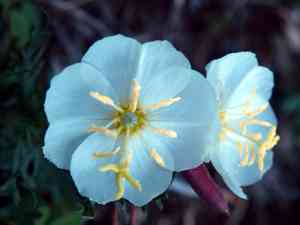
Whitest Evening Primrose (Oenothera albicaulis)
Also known as: Prairie Evening- Primrose, Pale Evening-primrose
Prairie evening-primrose, scientifically named *Oenothera albicaulis*, is a plant species indigenous to the United States and Mexico. The Zuni people have historically utilized this plant in their rain ceremonies.
In This Article
Attributes of Whitest Evening Primrose
Lifespan
Annual, Biennial, Perennial
Plant Type
Herb
Plant Height
15 cm to 30 cm
Spread
30 cm
Leaf Color
Green Blue
Flower Size
6 cm
Flower Color
White Pink Cream
Images of Whitest Evening Primrose
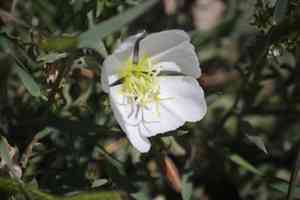
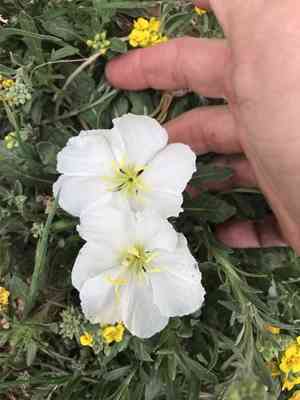
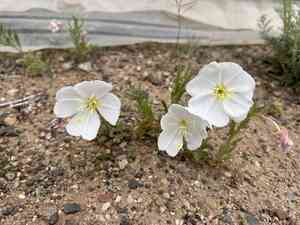
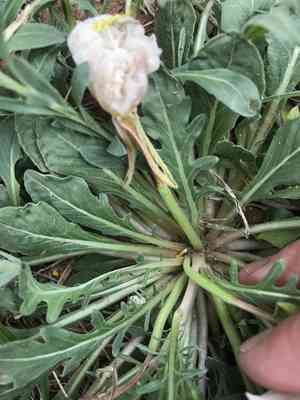
Quickly Identify Whitest Evening Primrose
1
To identify Oenothera albicaulis, look for its white to pale green stems, yellow four-petaled flowers that open in the evening, and its lance-shaped leaves. It often grows in well-drained, sandy soils.
Scientific Classification of Whitest Evening Primrose
Phylum
Vascular plants
Class
Dicotyledons
Order
Myrtales
Family
Evening primrose
Genus
Evening Primrose
Species
Whitest Evening Primrose
Planting and Growing of Whitest Evening Primrose
Care Difficulty
Easy
Watering Schedule
Every 4 days
Sunlight Requirements
Full sun
Sunshine Duration
6-10 hours
Ideal Temperature
60-75℉
Soil Type
Potting Mix, Peat Mix
Soil pH
6.5-7.5
Fertilizer Type
Balanced
Pruning Season
Spring, Summer
Pruning Area
Branches, Leaves
Pruning Frequency
2 times a year
Repotting Season
Spring
Pot Type
Plastic, Ceramic
 How to Water Whitest Evening Primrose?
Oenothera albicaulis, commonly known as prairie evening-primrose, requires moderate watering. Ensure the soil is soaked to a depth of about 10 inches, but avoid puddling. The key is to mimic natural rainfall conditions, providing sufficient moisture without waterlogging.
What are the symptoms of an underwatered Whitest Evening Primrose?
›
What should I do if my Whitest Evening Primrose is not getting enough water?
›
What are the symptoms of an overwatered Whitest Evening Primrose?
›
How to save an overwatered Whitest Evening Primrose?
›
 What Are the Sunlight Requirements for Whitest Evening Primrose?
Oenothera albicaulis thrives under full sun, enjoying 6 to 8 hours of sunlight. Ideal lighting conditions promote vigorous growth, an abundance of blooms, and generally enhanced plant vitality.
More About Sunlight Requirements Techniques→
What is the best lighting condition?
›
How can I ensure my plant gets ideal sunlight?
›
What benefits from ideal light conditions?
›
 What Is the Ideal Temperature Range for Whitest Evening Primrose?
For optimal growth, Oenothera albicaulis prefers a temperature range between 60 and 75°F. This range supports its physiological processes, promoting healthy leaf, stem, and root development. Maintaining the plant within this temperature bracket ensures vibrant blooms and longevity.
 What Soil is Best for Whitest Evening Primrose?
Oenothera albicaulis thrives in well-drained soils, ensuring that the roots do not sit in water, which can lead to rot. Proper drainage maintains root health and supports vigorous growth. Although this plant can tolerate poorer soils, providing a nutrient-rich medium will enhance its flowering. The presence of essential nutrients leads to more robust blooms and overall plant vitality. While drought-tolerant once established, Oenothera albicaulis benefits from moderate soil moisture levels. Adequate water content during the initial growth stages ensures strong establishment and lush foliage.
 How to Fertilize Whitest Evening Primrose?
For Oenothera albicaulis, it is important to use a balanced fertilizer, preferably one that is formulated for flowering plants. Dissolve approximately 10 milliliters of liquid fertilizer in a liter of water for each application. Solid fertilizers should be applied sparingly, using about 50 grams per square meter, ensuring the surrounding soil is moistened after application.
 How to Prune Whitest Evening Primrose?
Begin by removing any dead, diseased, or damaged stems using clean, sharp scissors or pruners. Make sure to cut at a 45-degree angle about a quarter inch above a healthy node or bud. This encourages new growth and prevents water from collecting on the cut, which can hinder recovery.
More About Pruning Techniques→
 How to Propagate Whitest Evening Primrose plant?
1
Fill the seed tray with a good-quality potting mix, leaving about 1 cm from the rim to the soil surface to allow for watering. Ensure the soil is evenly spread and lightly firm it down to provide a stable base for the seeds.
2
Scatter the seeds of Oenothera albicaulis evenly over the surface of the soil. Lightly press the seeds into the soil without covering them too deeply; seeds typically require light to germinate, so a gentle pressing ensures they remain in contact with the compost. Moisten the soil with a light spray to avoid displacing the seeds.
3
Cover the tray with a transparent lid or plastic wrap to maintain humidity, important for successful germination. Place the tray in a warm, bright spot away from direct sunlight, ideally between 20-22°C. Check regularly for signs of germination and ensure the soil remains moist but not waterlogged.
 How to Repot Whitest Evening Primrose plant?
1
It's time to repot your Oenothera albicaulis when you notice its roots starting to grow out of the drainage holes of the pot or if the plant has visibly slowed its growth. Ideally, repot in spring or autumn when temperatures are mild.
2
Choose a pot that is one size larger than the current one and ensure it has sufficient drainage holes. A slightly larger pot allows room for root expansion, which is crucial for plant health, while proper drainage prevents root rot.
3
Select a well-draining loamy soil mix for repotting. Such a soil structure provides the perfect balance of moisture retention and drainage, which is essential for preventing waterlogged roots and promoting healthy growth.
Learn More About Whitest Evening Primrose Diseases
Bacterial Leaf Spot
Bacterial Wilt
Chemical Injury
Crown Gall
Cyst Nematode
Damping-off
Downy Mildew
Drought Stress
Fusarium Wilt
Gray Mold
Leaf Spot
Mosaic
Nutrient Deficiency
Nutrient Toxicity
Powdery Mildew
Root Rot
Root-knot Nematode
Rusts
Sooty Mold
Spider Mites
Temperature Stress
Thrips Damage
White Mold



