Enhancing Your Garden Design with the Chandelier plant Plant: A Landscaping Guide
1
Chandelier plant is simple to care for, needing little water and upkeep after it's settled.
2
The distinct form of Chandelier plant brings vertical appeal to any landscape plan.
3
Chandelier plant is perfect for dry gardens and rockeries because of its ability to withstand drought.
Introduction to Chandelier plant in Landscaping
Overview of Chandelier plant's characteristics and its aesthetic appeal.
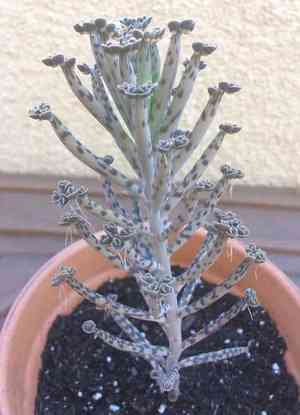
The Chandelier plant is a striking succulent recognized for its distinctive, chandelier-like stems. Each stem is adorned with slender, tubular leaves, often spotted or striped, adding an exotic flair to any garden. This plant typically grows in a dense cluster, providing a lush, full appearance that can enhance any landscape design. Its resilience and low-maintenance needs make it an excellent choice for gardeners seeking to add a touch of tropical elegance without much effort.
Why Chandelier plant is a popular choice for modern landscapes.
Chandelier plant has gained popularity in contemporary landscaping due to its sleek, architectural form and ability to thrive in challenging conditions. Its drought tolerance is particularly appealing in regions where water conservation is a priority. Additionally, its ability to grow with minimal soil nutrients and its resistance to pests make it a favorite among both novice and experienced gardeners. The plant's versatility allows it to fit seamlessly into various design styles, from minimalist gardens to lush, tropical landscapes.
Designing With Chandelier plant: Placement Ideas
Incorporating Chandelier plant in rock gardens and xeriscapes.
Rock gardens and xeriscapes are ideal environments for Chandelier plant, where its dramatic form can be highlighted against the simple backdrop of stones and gravel. To create a stunning focal point, consider placing Chandelier plant at the center of a rock garden or grouping several plants together at varying heights for added dimension. The plant's natural ability to conserve water makes it perfect for these low-maintenance garden designs.
Effective placement around water features and pathways.
When planning your garden, consider positioning Chandelier plant around water features such as ponds or fountains to contrast the greenery with the cool colors of water. This plant also works well along pathways, where its shape can guide the eye and create a welcoming walkway. Ensure it is paired with other drought-tolerant plants to maintain a cohesive look and reduce irrigation needs.
Companion Plants for Chandelier plant
Selecting plants that complement Chandelier plant's growth and color.
Choosing the right companions for Chandelier plant involves considering plants that thrive in similar conditions and offer aesthetic balance. Succulents and cacti, which also prefer well-drained soil and plenty of sunlight, are excellent choices. Varieties with contrasting colors and shapes, such as Agave or Aloe, can enhance the visual appeal of your landscape by providing a dynamic mix of textures and hues.
Addressing sun exposure and soil needs with compatible species.
Plants that can handle full sun and require minimal water are the most compatible with Chandelier plant. To ensure a healthy garden, select species such as Sedum, Echeveria, or ornamental grasses, which can thrive under similar conditions. By grouping plants with similar needs, you not only simplify maintenance but also create a harmonious garden environment where each species can thrive.
Seasonal Considerations and Maintenance Tips
Understanding the seasonal growth patterns of Chandelier plant.
Chandelier plant experiences active growth during the warmer months, making spring and summer the ideal times for planting and propagation. During fall and winter, the plant enters a dormant phase with slower growth. Understanding these patterns can help you plan your gardening tasks more effectively, ensuring your plants receive the proper care year-round.
Basic maintenance tips to keep Chandelier plant thriving in your landscape.
Maintaining Chandelier plant in your garden is straightforward. Regularly remove dead or damaged leaves to keep the plant looking tidy. Water sparingly, allowing the soil to dry out between watering sessions to prevent root rot. Although it's a hardy plant, occasional feeding with a balanced fertilizer during the growing season can boost its health and growth. Additionally, protect the plant from extreme cold by moving it indoors or providing cover if you live in a frost-prone area.
Creative Ideas for Using Chandelier plant in Outdoor Spaces
Crafting unique focal points with Chandelier plant.
Make Chandelier plant the star of your garden by using it as a focal point in a striking container or a raised bed. Its architectural form and vibrant foliage can draw the eye and serve as a conversation starter. For added interest, pair it with sculptural elements like rocks or driftwood, which complement the plant's natural beauty.
Integrating Chandelier plant into patio and deck designs.
Chandelier plant can also enhance patio and deck areas by adding a touch of greenery to outdoor living spaces. Use it in pots or hanging baskets to create vertical interest, or group several containers together for a lush, tropical vibe. The plant's low water requirements and minimal maintenance needs make it perfect for busy homeowners who still want to enjoy the benefits of a green, lively outdoor space.



