Enhancing Your Garden Design with the Trans-pecos morning-glory Plant: A Landscaping Guide
1
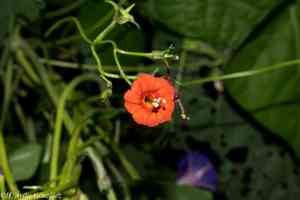
Trans-pecos morning-glory brings vivid hues and interesting feel to your outdoor space, creating a striking focal point.
2
Trans-pecos morning-glory flourishes in soil that drains well and needs a bright location for best flowering.
3
Consistent care for Trans-pecos morning-glory promotes vigorous development and aids in avoiding typical plant ailments.
Introducing Trans-pecos morning-glory in Garden Design
Exploring the visual appeal of Trans-pecos morning-glory
In garden design, Trans-pecos morning-glory shines with its vibrant hues and intricate designs, making it a favorite among gardening enthusiasts. Its blooms are not only striking but also offer a distinct texture that can elevate your garden's overall look. Whether you aim to inject color or create a more dynamic landscape, Trans-pecos morning-glory provides significant aesthetic value. Its capacity to integrate with other plants while still standing out highlights its versatility in garden planning.
Understanding the growth patterns of Trans-pecos morning-glory
To maximize Trans-pecos morning-glory's potential in your garden, grasping its growth habits is crucial. This plant typically flourishes in areas with ample room to spread, so considering its climbing nature is vital. It's a rapid grower that can cover trellises, fences, and other structures, making it perfect for establishing natural privacy screens or adding vertical interest. Furthermore, knowing its growth patterns aids in planning its placement to prevent overcrowding other plants.
Selecting the Optimal Site for Trans-pecos morning-glory
Assessing light and shade requirements
For Trans-pecos morning-glory to thrive, achieving the correct balance of sunlight and shade is essential. This plant loves sun, so it's best positioned in a spot receiving at least six hours of direct sunlight daily. However, a bit of afternoon shade can shield it from intense rays, ensuring optimal development. Placing Trans-pecos morning-glory correctly can greatly influence its blooming capacity and overall vitality.
Soil conditions and drainage considerations
The soil for Trans-pecos morning-glory should be well-drained to encourage robust root growth. Sandy loam or rich, fertile soil can greatly benefit its development. Ensuring proper drainage is also critical to prevent waterlogging, which can lead to root rot. Incorporating organic matter into the soil can enhance its structure and fertility, providing a supportive environment for Trans-pecos morning-glory's roots.
Integrating Trans-pecos morning-glory into Garden Layouts
Companion plants and color schemes
When designing your garden, pairing Trans-pecos morning-glory with complementary plants can produce stunning visual effects. Consider combining Trans-pecos morning-glory with plants of varying heights and contrasting colors. For example, matching its vivid blooms with softer shades like whites and pastels from nearby flowers can make your garden pop. Additionally, factoring in the blooming seasons of surrounding plants can ensure continuous color throughout the year.
Creating focal points with Trans-pecos morning-glory
Trans-pecos morning-glory can serve as an excellent focal point in your garden design. Its distinctive flowers can attract attention, making it ideal for planting near garden entrances, pathways, or seating areas. Utilizing Trans-pecos morning-glory to form arches or cover arbors can also add a whimsical touch to your garden. Whether used alone or with other structures, Trans-pecos morning-glory can be a key element that enhances the overall landscape.
Year-Round Care Advice for Trans-pecos morning-glory
Seasonal trimming and guidance
Pruning is crucial for keeping Trans-pecos morning-glory healthy and looking its best. Regularly trim back any excessive growth to maintain a neat appearance and encourage more abundant flowering. Seasonal pruning, especially after the blooming period, helps manage its size and directs its energy towards producing new flowers. Training Trans-pecos morning-glory to climb trellises or other supports can also keep it organized and add structure to your garden.
Health management: identifying common problems
Maintaining Trans-pecos morning-glory's health involves being alert for common issues like pests and diseases. Periodically inspect the leaves for signs of aphids, spider mites, or fungal infections. Early detection and treatment with suitable remedies, such as insecticidal soap or fungicides, can prevent widespread damage. Ensuring good air circulation around the plant can also help reduce disease risks.
The Ecological Impact of Cultivating Trans-pecos morning-glory
Advantages for local wildlife and ecosystems
Planting Trans-pecos morning-glory can positively affect local ecosystems. Its flowers attract pollinators like bees and butterflies, which are vital for environmental health. By providing a habitat and food source for these creatures, Trans-pecos morning-glory can help support biodiversity in your garden. Furthermore, its dense foliage can offer shelter for small animals and insects.
Adaptability and resilience of Trans-pecos morning-glory
Trans-pecos morning-glory is known for its adaptability and hardiness, making it a dependable choice for various garden environments. It can endure different climate conditions and still flourish, meaning it requires less intervention than more delicate plants. Its capacity to recover from minor neglect or adverse weather conditions makes it an excellent addition to a low-maintenance garden.



