Enhancing Your Garden Design with the Smooth hawkweed Plant: A Landscaping Guide
1
Smooth hawkweed adds to your garden's aesthetic appeal without requiring much upkeep.
2
Smooth hawkweed is excellent for drawing in pollinators, benefiting local fauna.
3
Incorporating Smooth hawkweed into your garden aids in fostering sustainable and environmentally conscious methods.
Why Incorporate Smooth Hawkweed into Your Garden?
Boosting Natural Beauty: Explore the Aesthetic Advantages
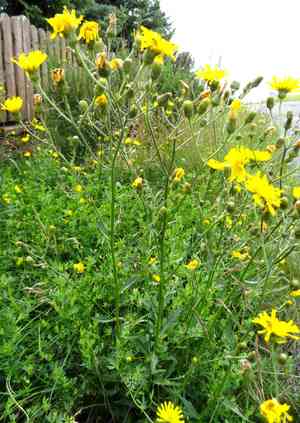
Adding Smooth hawkweed to your garden scheme significantly enhances the inherent charm and visual appeal of your outdoor space. With its distinctive foliage and bright yellow blossoms, it introduces a touch of untamed grace to any landscape. The delicate structure of Smooth hawkweed can foster an effortlessly flowing garden design, making it a perfect selection for those aiming to merge natural elements with structured environments. Its subtle yet vibrant presence can serve as a gentle highlight in garden beds, borders, or even as part of a meadow-style lawn, contributing to a tranquil and attractive garden setting.
Supporting Local Wildlife: How Smooth Hawkweed Attracts Pollinators
A primary reason to include Smooth hawkweed in your garden is its capacity to draw in various pollinators, such as bees, butterflies, and other beneficial insects. The appealing flowers of Smooth hawkweed offer a valuable nectar source, which sustains local wildlife and promotes biodiversity. By cultivating Smooth hawkweed, you are not only enhancing your gardenâs beauty but also contributing to the well-being of your local ecosystem. It's an excellent method to transform your garden into a haven for pollinators, supporting the life cycle of numerous species vital for the environment.
Low Maintenance: The Easy-Care Nature of Smooth Hawkweed
For gardeners seeking low-effort options, Smooth hawkweed stands out as a prime choice. It is renowned for its robust character and ability to flourish in diverse soil types, often requiring minimal irrigation once established. The resilient nature of Smooth hawkweed ensures it can endure varying weather conditions without extensive care or intervention. This makes it an ideal plant for gardeners who prefer a lush, vibrant garden without constant upkeep. Furthermore, its resistance to pests and diseases further reduces the need for chemical treatments, enabling a more organic approach to gardening.
Designing With Smooth Hawkweed: Placement and Pairing Concepts
Selecting the Right Spot: Sunlight and Soil Advice
Choosing the appropriate location for Smooth hawkweed is vital for its healthy development. It thrives best in full sun to partial shade, making it adaptable for various garden zones. Ensure the soil is well-drained yet retains sufficient moisture to sustain the plant during dry spells. Incorporating organic compost can boost soil fertility, enhancing plant health and vigor. When planting Smooth hawkweed, consider placing it in areas where it can receive ample sunlight while being protected from strong winds to prevent damage to its delicate stems.
Companion Planting: What Complements Smooth Hawkweed?
Companion planting with Smooth hawkweed can create a harmonious and visually pleasing garden. It pairs well with other native plants and perennials that share similar growing conditions, such as yarrow, speedwell, and sage. These combinations can provide a continuous display of colors and textures throughout the growing season. Additionally, companion planting can improve the health of Smooth hawkweed by enhancing soil quality and deterring pests, fostering a more resilient and balanced garden ecosystem.
Creating Color Contrasts: Pairing Smooth Hawkweed with Vibrant Blooms
To generate striking color contrasts in your garden, combine Smooth hawkweed with vivid flowering plants. Its yellow blossoms pair beautifully with purple, blue, and red flowers, adding depth and visual interest to your garden design. Consider pairing Smooth hawkweed with lavender, coneflowers, or black-eyed Susans for a bold and dynamic garden display. These contrasts can highlight the unique features of Smooth hawkweed while creating a lively and engaging garden palette. Strategic placement of these combinations can draw attention to specific areas of your garden, enhancing its overall aesthetic appeal.
Sustainable Practices: Utilizing Smooth Hawkweed in Eco-Friendly Landscaping
Water Conservation Benefits of Smooth Hawkweed
Smooth hawkweed is an excellent option for water-efficient gardens. Its low water requirements make it perfect for xeriscaping, reducing the need for frequent irrigation. By integrating Smooth hawkweed into your landscaping, you can significantly decrease water usage, thereby conserving this vital resource. This makes Smooth hawkweed a particularly valuable addition in regions prone to drought or with water restrictions, ensuring your garden remains lush and green with minimal water input.
Reducing Pesticides: Why Smooth Hawkweed is a Natural Choice
The inherent resilience of Smooth hawkweed to pests and diseases means it often requires fewer pesticides to flourish. This contributes to a healthier garden environment and reduces chemical exposure for both plants and wildlife. By selecting Smooth hawkweed, you can adopt more organic gardening practices, creating a safer, more sustainable garden that supports overall ecosystem health. This also aligns with the growing trend towards eco-friendly gardening, promoting practices that benefit both the environment and your local wildlife.
Promoting Biodiversity with Smooth Hawkweed
Planting Smooth hawkweed in your garden helps to foster biodiversity, which is crucial for a healthy and dynamic ecosystem. By attracting a diverse range of pollinators and beneficial insects, Smooth hawkweed supports the pollination of other garden plants and the overall health of your landscape. This creates a more balanced environment, encouraging the growth of various plant species and the presence of different wildlife. In turn, this rich diversity can lead to a more robust and resilient garden, capable of withstanding environmental stresses and changes.



