Enhancing Your Garden Design with the Witch hazel Plant: A Landscaping Guide
1
Witch hazel brings seasonal hues and distinct aesthetic charm to your outdoor space.
2
Correct positioning and care of Witch hazel are crucial for its best development.
3
Pairing plants with Witch hazel boosts ecological variety and aesthetic appeal in garden layouts.
Appreciating Witch hazel's Aesthetic Qualities
Seasonal color shifts and their contribution to garden beauty
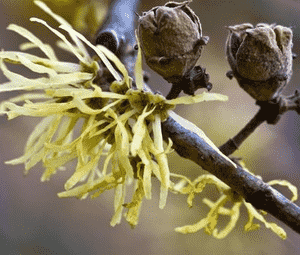
A major draw of Witch hazel is its seasonal transformation. In autumn, it offers a brilliant display of golden-yellow leaves, illuminating the landscape. This seasonal color change not only creates a focal point but also adds a vivid contrast, enhancing the garden's overall look. Winter reveals a different charm as its bare branches showcase delicate yellow blooms, bringing life to an otherwise dull winter scene.
The distinct form and structure of Witch hazel
Witch hazel is recognized for its unique, often spreading branch pattern, which can introduce a dramatic element to your garden design. Its irregular shape and zig-zagging twigs form captivating patterns that draw the eye. This distinctive architecture makes Witch hazel an excellent choice for adding depth and dimension to your outdoor space.
Foliage and bloom schedules for maximum visual appeal
Timing is vital when designing your garden. With Witch hazel, its leaf and flower cycles provide year-round interest. During spring and summer, its lush green foliage serves as an attractive backdrop for other flowering plants. In autumn, its leaves turn a striking yellow, and from late winter to early spring, you'll enjoy the delicate, spidery flowers for which Witch hazel is renowned. By considering these timings, you can ensure your garden remains visually engaging throughout the year.
Choosing the Ideal Location for Witch hazel in Your Garden
Evaluating light and shade needs for peak development
For Witch hazel to flourish, understanding its light requirements is crucial. This plant prefers partial shade but can tolerate full sun, especially in cooler climates. An optimal spot would receive morning sunlight and afternoon shade. Assess your garden for such locations, as correct lighting is essential for Witch hazel's health and appearance.
Preferred soil types and drainage considerations
Witch hazel is quite adaptable but thrives best in well-drained, slightly acidic to neutral soil. Avoid areas where water collects, as poor drainage can lead to root rot. Consider incorporating organic matter to improve soil texture and drainage if needed. By ensuring proper soil and drainage, you establish a strong foundation for healthy Witch hazel growth.
Space requirements: Understanding Witch hazel's growth habit and size
Witch hazel can develop into a large shrub or small tree, depending on the variety and growing conditions. It typically reaches heights of 15 to 20 feet with a similar spread. Ensure ample space for Witch hazel to grow without overcrowding nearby plants. Understanding its mature size will help you plan your landscape design more effectively, allowing Witch hazel to develop its natural form.
Companion Planting and Integrating Witch hazel with Other Species
Creating vibrant groupings with Witch hazel and complementary plants
Pairing Witch hazel with other plants can result in a dynamic and visually pleasing garden. Consider combining Witch hazel with early-blooming bulbs or perennials that thrive in similar conditions. The contrasting foliage and flower colors of companion plants can enhance Witch hazel's beauty and create a more vibrant and diverse landscape.
The advantages of biological diversity in garden design
Biodiversity is fundamental to a resilient and flourishing garden. By planting Witch hazel alongside a variety of other plants, you can foster a healthier ecosystem. Diverse plant species attract a range of beneficial insects and pollinators, improving your garden's overall health. Additionally, a mixed planting scheme reduces the risk of pest and disease outbreaks, ensuring a robust and sustainable garden environment.
Seasonal planning: Ensuring continuous visual interest year-round
To maximize your garden's visual appeal throughout the year, it's vital to plan for seasonal interest. Witch hazel offers striking visuals in autumn and winter, but pairing it with other plants that bloom in different seasons ensures continuous beauty. Consider incorporating spring-flowering bulbs, summer perennials, and evergreens to maintain a visually appealing garden regardless of the season.
Caring for Witch hazel in Your Landscape
Essential care tips for Witch hazel's health and appearance
To keep Witch hazel healthy and looking its best, regular care is necessary. Water the plant during dry spells, especially in its first few years to establish a strong root system. Mulching around the base helps retain moisture and suppress weeds. Also, monitor for pests and diseases, taking action as needed to maintain Witch hazel's health.
When and how to prune for optimal landscape impact
Pruning Witch hazel is crucial for maintaining its shape and encouraging healthy growth. The ideal time to prune is in late spring after the plant has finished flowering. Remove any dead or diseased wood, and thin out crowded branches to improve air circulation. Pruning helps manage Witch hazel's size and ensures it remains a prominent feature in your landscape.
Addressing common issues when growing Witch hazel outdoors
Growing Witch hazel can present challenges such as pests, diseases, or unfavorable weather. Common pests include aphids and spider mites, which can be managed with appropriate treatments. Diseases like powdery mildew can be mitigated through proper spacing and airflow. Being aware of these potential problems and addressing them promptly will help keep your Witch hazel healthy and thriving.



