Enhancing Your Garden Design with the Candy Grass Plant: A Landscaping Guide
1
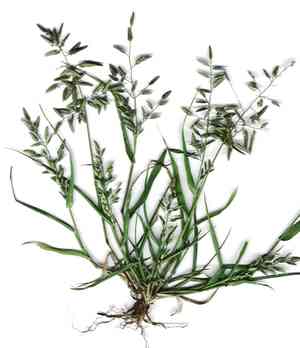
Candy Grass offers a superb option for enhancing the tactile and aesthetic appeal of your outdoor space.
2
Candy Grass provides ecological advantages such as preventing soil erosion and tolerating dry conditions.
3
Candy Grass flourishes in soil that drains well and areas with ample sunlight, making it adaptable to diverse garden designs.
Grasping the Function of Candy Grass in Garden Design
Why is Candy Grass an excellent option for landscape layouts?
In the realm of landscape architecture, Candy Grass distinguishes itself through its distinct characteristics and adaptability. This particular grass is not merely visually appealing but also ecologically advantageous. Candy Grass resists drought, making it perfect for gardens in regions with limited water resources. Its dense growth pattern aids in preventing soil erosion, rendering it a practical selection for inclines and uneven terrains. Furthermore, its capacity to flourish in diverse soil types and conditions enhances its flexibility, making it a preferred choice among landscape professionals.
How does Candy Grass enhance the overall visual appeal of a garden?
Visually, Candy Grass imparts a gentle, undulating texture to garden environments, generating a sense of motion and vibrancy. Its delicate, plume-like foliage can capture and reflect light, adding a subtle glimmer that elevates the garden's beauty. Whether employed as a ground cover or as an element of a mixed border, Candy Grass's understated hues can offer a lovely contrast to both blooming plants and more robust shrubs. Its ability to seamlessly blend with various garden components makes it a versatile and elegant option.
Ecological advantages of incorporating Candy Grass into your outdoor areas
Regarding environmental benefits, Candy Grass is exceptionally potent. It demands minimal water once established, positioning it as an outstanding choice for sustainable gardening. Its deep root system not only stabilizes the ground but also enhances its composition, fostering healthy water penetration and reducing runoff. Moreover, Candy Grass offers a habitat for beneficial insects and small wildlife, contributing to local biodiversity. These ecological perks render it an invaluable addition to any environmentally conscious landscape design.
Selecting the Optimal Spot for Candy Grass in Your Garden
Considerations for planting Candy Grass
When determining where to cultivate Candy Grass in your garden, several crucial factors warrant attention. Firstly, assess the plant's light requirements; Candy Grass thrives in full sunlight but can endure partial shade. Evaluate your soil's drainage, as Candy Grass favors well-drained locations to prevent root decay. Also, consider its proximity to other plants â Candy Grass can spread, so it's advisable to provide ample room for expansion. Heeding these aspects will ensure your Candy Grass establishes healthily and integrates effectively with other garden elements.
Optimal soil conditions for Candy Grass
The perfect soil conditions for Candy Grass involve well-drained, moderately fertile earth. It can tolerate a range of pH levels but prefers slightly acidic to neutral soils. If your garden soil is heavy or clay-like, consider enriching it with organic matter to improve its structure and drainage capabilities. Elevated beds or mounds can also be effective for planting Candy Grass, ensuring roots are not submerged in waterlogged conditions. Proper soil preparation will maximize the growth potential and longevity of Candy Grass in your landscape.
Best garden designs that complement Candy Grass
Candy Grass integrates beautifully into various garden styles, from contemporary minimalist gardens to more classic English or cottage gardens. For a modern aesthetic, pair Candy Grass with sleek hardscaping elements like concrete or metal for a striking contrast. In a naturalistic or prairie-style garden, combine Candy Grass with native wildflowers and grasses to create a lush, meadow-like effect. Its adaptability also makes it a wonderful addition to Zen gardens, where its gentle movement can enhance the feeling of tranquility. By selecting the appropriate style, you can highlight Candy Grassâs unique qualities and achieve a cohesive, stunning landscape design.
Creative Approaches to Integrating Candy Grass into Landscaping Projects
Crafting vibrant textures with Candy Grass
One of the most inventive ways to utilize Candy Grass in your landscape design is by harnessing its capacity to generate dynamic textures. Planting Candy Grass in broad expanses can create a sea of soft, flowing grass that adds movement and depth to your garden. Combine it with coarser plants to establish a layered texture, adding richness and intrigue. The delicate foliage of Candy Grass can also soften the edges of hard landscaping features such as pathways, patios, and walls, ensuring a balanced and harmonious garden aesthetic.
Harmonizing Candy Grass with other plant varieties for design cohesion
Achieving a cohesive garden design often entails integrating Candy Grass with a diverse array of other plant species. Consider pairing it with perennials like lavender, echinacea, or salvia, which can offer a contrast in both color and texture. Low-growing ground covers can complement Candy Grass by filling in the spaces at the base, creating a fuller, more unified planting scheme. Employing Candy Grass as a backdrop for vibrant flowering plants can make the colors stand out, adding visual interest and vitality to your garden. Thoughtful integration of Candy Grass ensures a balanced and aesthetically pleasing landscape.
Examples of successful landscape endeavors featuring Candy Grass
Numerous successful landscape projects have effectively utilized Candy Grass. For instance, a coastal garden in California employed Candy Grass to stabilize sandy soil while creating a breezy, naturalistic environment. In an urban rooftop garden, Candy Grass provided both visual softening and wind resistance, establishing a serene oasis amidst the cityscape. Another example is a sprawling meadow garden, where Candy Grass was planted alongside wildflowers to replicate the beauty and biodiversity of a natural prairie. These projects demonstrate the versatility and transformative potential of Candy Grass in various landscape settings.



