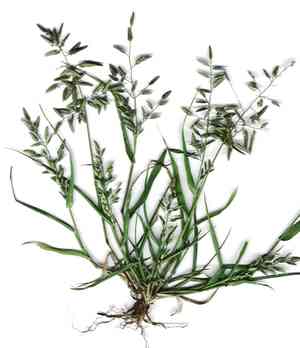
Candy Grass (Eragrostis cilianensis)
Also known as: Gray Lovegrass, Stink grass
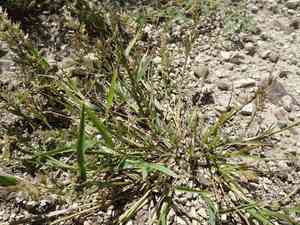
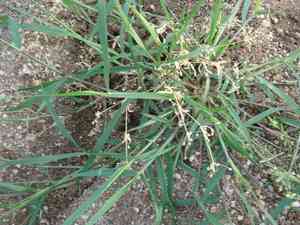
Candy Grass (Eragrostis cilianensis), also known as stink grass, typically reaches a height of 41 to 51 cm. This annual grass is often found in disturbed areas and gardens, where it can become quite a nuisance due to its strong odor. To manage its spread, you can dig it out, although it tends to leave seeds behind. Consistent mowing before it produces seeds can help prevent reseeding and gradually reduce its presence.
In This Article
Attributes of Candy Grass
Lifespan
Annual
Plant Type
Grass
Plant Height
10 cm to 41 cm
Spread
18 cm
Leaf Color
Green
Flower Size
9 cm
Flower Color
White Green Purple Brown
Images of Candy Grass
Quickly Identify Candy Grass
1
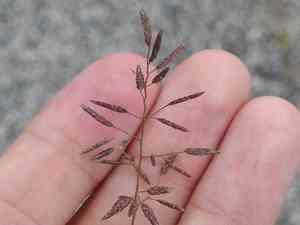
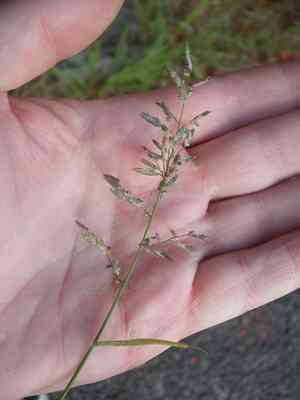
To identify Eragrostis cilianensis, look for its distinctive small, densely packed flower spikelets and its unpleasant odor when crushed. The leaves are linear and flat, resembling other weed grasses.
Scientific Classification of Candy Grass
Phylum
Vascular plants
Class
Monocotyledons
Order
Poales
Family
Grass
Genus
Lovegrasses
Species
Candy Grass
Planting and Growing of Candy Grass
Care Difficulty
Easy
Watering Schedule
Every 4 days
Sunlight Requirements
Full sun
Sunshine Duration
4-8 hours
Ideal Temperature
65-75℉
Soil Type
Potting Mix, Peat Mix
Soil pH
6.5-7.5
Fertilizer Type
Balanced
Pruning Season
Spring, Summer
Pruning Area
Branches, Leaves
Pruning Frequency
2 times a year
Repotting Season
Spring
Pot Type
Plastic, Ceramic
 How to Water Candy Grass?
When it comes to watering Eragrostis cilianensis, ensure the soil is moist but not waterlogged. Aim for about 250 ml per session; thoroughly wet the soil without allowing water to pool at the bottom of the pot.
What are the symptoms of an underwatered Candy Grass?
›
What should I do if my Candy Grass is not getting enough water?
›
What are the symptoms of an overwatered Candy Grass?
›
How to save an overwatered Candy Grass?
›
 What Are the Sunlight Requirements for Candy Grass?
Ideal lighting for this plant includes full sun with some partial sun, which supports strong photosynthetic activity and overall growth.
More About Sunlight Requirements Techniques→
How much light does Eragrostis cilianensis need?
›
What are the best lighting conditions for this plant?
›
How to ensure ideal lighting for Eragrostis cilianensis?
›
 What Is the Ideal Temperature Range for Candy Grass?
The ideal temperature range for growing Eragrostis cilianensis is between 65°F and 75°F. Within this range, the plant can thrive and perform vital physiological processes efficiently, including photosynthesis, respiration, and nutrient absorption. Keeping the plant in this temperature range ensures optimum growth and reduces stress that could occur from exposure to temperatures outside of this range.
 What Soil is Best for Candy Grass?
Eragrostis cilianensis thrives in soils where nutrients are readily available. This means the soil should be rich in organic matter, which not only provides essential nutrients but also improves soil structure and water retention. Adequate drainage is a critical feature for this plant, ensuring that water does not stagnate around the roots. This helps prevent root rot and promotes healthy growth, allowing the plant to access oxygen. Soils with a lighter texture, such as sandy loam, facilitate easy root penetration and movement which are fundamental for nutrient uptake and plant stability. This light texture also assists in maintaining proper aeration.
 How to Fertilize Candy Grass?
Eragrostis cilianensis typically requires moderate fertilization. It is best to provide nutrients in a balanced manner, ensuring not to oversaturate the soil. When applying liquid fertilizer, a dilution rate of 1 tablespoon per gallon of water should suffice, ensuring the plant receives adequate nutrients without being overwhelmed.
 How to Prune Candy Grass?
Utilize a pair of sharp shears suitable for grass trimming. For larger areas, consider using manual or powered grass shears. This helps ensure an even cut and prevents unnecessary damage to the plant. Prune the grass in a way that follows its natural growing shape. Avoid cutting too close to the ground; leave enough foliage to promote photosynthesis and healthy regrowth. Perform pruning during dry weather to minimize the risk of fungal infections. Wet conditions can encourage the growth of mold or mildew on freshly cut surfaces.
More About Pruning Techniques→
 How to Propagate Candy Grass plant?
1
Fill seed trays with a fine seed starting mix. Sprinkle Eragrostis cilianensis seeds evenly over the surface and cover lightly with soil. Mist the soil gently to moisten.
2
Place the trays in a warm location with indirect sunlight. Maintain a consistent moisture level in the soil and ensure temperatures are around 21°C (70°F) to encourage germination.
3
When seedlings develop their first true leaves, transplant them carefully into individual pots or into the garden. Ensure they have plenty of space to grow without overcrowding.
 How to Repot Candy Grass plant?
1
Eragrostis cilianensis should be repotted when roots start to emerge from the drainage holes, or the plant appears root-bound. This grasses' active growth during warmer months makes Spring and Summer ideal seasons for repotting, ensuring minimal stress during the transition.
2
Select a pot that is one size larger than the current one, providing sufficient space for root expansion. Ensure it has ample drainage to prevent waterlogged soil, promoting healthier root systems and preventing rot.
3
Use a well-draining sandy soil mix to facilitate excellent drainage and aeration. This prevents root rot and mimics the plant's natural habitat conditions, encouraging robust growth and thriving foliage.



