Enhancing Your Garden Design with the Blue marble tree Plant: A Landscaping Guide
1
The Blue marble tree offers continuous aesthetic appeal due to its distinct characteristics and seasonal transformations.
2
Strategic positioning of the Blue marble tree allows it to become a striking centerpiece in any landscape.
3
Selecting appropriate companion flora for the Blue marble tree contributes to a well-balanced and cohesive garden environment.
Introducing Blue Marble Tree in Landscape Design
Overview of Blue Marble Tree in garden projects
The Blue Marble Tree is a versatile addition to any landscape, known for its impressive size and dense leaves. This tree can greatly enhance the visual appeal of gardens, parks, and public areas. Its unique trunk and evergreen nature provide a grand presence throughout the year, making it an ideal choice for various landscaping endeavors. Whether used alone or as part of a larger arrangement, the Blue Marble Tree brings an element of majesty and peace to its surroundings.
The importance of plant selection for garden aesthetics
Choosing the right plants is vital for creating a visually stunning and harmonious garden. The Blue Marble Tree stands out not only for its beauty but also for its resilience and adaptability. It can thrive in various soil types and weather conditions, making it a dependable option for gardeners of all skill levels. By incorporating the Blue Marble Tree into your garden, you balance strength with beauty, creating an inviting and sustainable outdoor space.
Visual Impact of Blue Marble Tree in Your Garden
Unique characteristics of Blue Marble Tree that enhance garden beauty
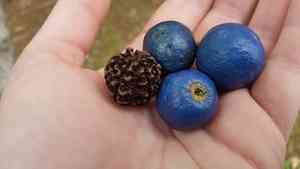
The Blue Marble Tree boasts several distinct features that contribute to its striking appearance. Its glossy leaves provide a lush, green backdrop year-round, while the treeâs trunk and bark add visual interest with their rugged texture. At certain times of the year, you might notice the plantâs blue-hued fruits, which add a splash of color and attract various birds and wildlife, enhancing your garden's biodiversity.
Seasonal changes and their effects on Blue Marble Tree's appearance
Although the Blue Marble Tree is an evergreen, it still exhibits subtle seasonal variations that can influence its visual impact. Spring and summer often bring a fresh, vibrant glow to its foliage, with occasional blossoms that may appear. In autumn and winter, the foliage remains dense and green, offering continuous greenery when other plants may appear barren. These changing aspects ensure that the Blue Marble Tree remains a focal point throughout the year.
Strategic Placement of Blue Marble Tree in Landscaping
Optimal locations in the garden for Blue Marble Tree
Strategically placing the Blue Marble Tree in your garden can maximize its visual and practical benefits. This tree thrives in well-lit environments, where its foliage can fully develop and where it can serve as a natural shade provider. Planting it near patios or garden benches can create comfortable, shaded spots ideal for relaxation. Additionally, positioning the Blue Marble Tree at the garden's edge can define boundaries while maintaining an open, airy feel in the central areas.
How to use Blue Marble Tree to create focal points in the landscape
The Blue Marble Tree can be effectively used to create stunning focal points due to its commanding height and distinctive shape. Placing it at the end of a garden path or at a central location where paths converge can draw the eye and create a logical flow within the garden. Complementing the Blue Marble Tree with strategically placed lighting can highlight its structure and bring attention to its unique characteristics even after dusk, adding a magical touch to nighttime garden views.
Companion Plants and Blue Marble Tree: Creating a Harmonious Blend
Best companion plants for Blue Marble Tree and the reasons for these choices
Choosing the right companion plants for the Blue Marble Tree can enhance its beauty and support its growth. Native grasses, shrubs, and perennials can create a layered effect that highlights the Blue Marble Tree's stature. Plants that prefer similar soil and light conditions, such as ferns and shade-loving flowers, are excellent choices. These companions not only provide visual contrast through color and texture but also help to create a diverse and resilient garden ecosystem.
Tips for maintaining balance and color consistency
Maintaining balance and color consistency in your garden with the Blue Marble Tree involves careful planning and periodic adjustments. Select a palette of colors that complements the rich greens of the Blue Marble Tree's foliage, using flowers and foliage in shades of white, blue, and purple to create harmony. Regularly trimming and pruning companion plants ensures they do not overshadow the Blue Marble Tree, keeping the garden well-balanced and visually appealing.
Long-Term Care and Management of Blue Marble Tree
Basic upkeep tips for Blue Marble Tree's lasting health and beauty
To ensure the Blue Marble Tree thrives and maintains its beauty, regular care is essential. Watering moderately, especially during dry spells, fertilizing annually with a balanced fertilizer, and mulching around the base to retain moisture are key practices. Protecting the Blue Marble Tree from pests and diseases through regular inspections and appropriate treatments can also help maintain its health.
Pruning and maintenance schedules
The Blue Marble Tree benefits from a consistent pruning schedule to promote healthy growth and prevent overcrowding in its canopy. Pruning should be done annually, ideally in late winter or early spring before new growth begins. Removing dead or damaged branches not only keeps the Blue Marble Tree looking tidy but also allows sunlight to reach the inner parts of the tree, enhancing overall vigor and aesthetic appeal.
Designing Around Blue Marble Tree: Common Mistakes and How to Avoid Them
Overcrowding issues and how to space Blue Marble Tree appropriately
One common mistake is overcrowding the Blue Marble Tree with other plants, which can inhibit its growth and reduce its visual impact. To avoid this, ensure sufficient spacing, with at least 15-20 feet of clearance from other large trees and structures. This allows the Blue Marble Tree to fully spread its branches and roots without competition, resulting in a healthier and more attractive tree.
Underestimating the size and scale of Blue Marble Tree
Underestimating the mature size of the Blue Marble Tree can lead to problems as it grows. Plan for its full height and spread from the outset, keeping it from being too close to buildings, utility lines, or other permanent structures. This foresight prevents the need for drastic measures later and ensures that the Blue Marble Tree can be appreciated for its full grandeur.



