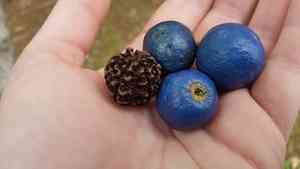
Blue marble tree (Elaeocarpus angustifolius)
Also known as: Blue Marble Tree, Blue Quandong, Blue Fig
The Blue Marble Tree (Elaeocarpus angustifolius) is an appealing ornamental tree, but its towering height and expansive buttress roots make it more appropriate for parks and landscapes than home gardens. Its scientific name, angustifolius, highlights its narrow, elongated leaves. The tree is valued for its useful timber and plays a crucial role in rainforest regeneration projects.
In This Article
Attributes of Blue marble tree
Lifespan
Perennial
Plant Type
Tree
Plant Height
50 m
Spread
9 m
Leaf Color
Dark Green
Flower Size
2 cm to 4 cm
Flower Color
White Yellow Cream
Images of Blue marble tree
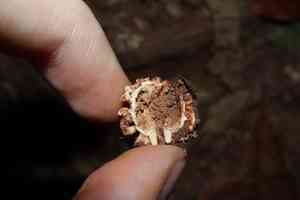
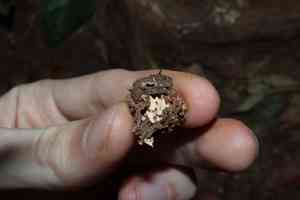
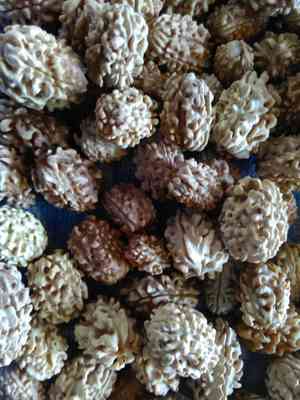
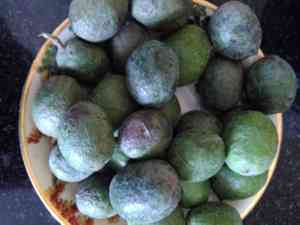
Quickly Identify Blue marble tree
1
Look for tall trees with dark green, pointed leaves, white to cream-colored flowers, and distinctive bright blue, marble-sized fruits.
Scientific Classification of Blue marble tree
Phylum
Vascular plants
Class
Dicotyledons
Order
Oxalidales
Family
Elaeocarpus
Genus
Elaeocarpus
Species
Blue marble tree
Planting and Growing of Blue marble tree
Care Difficulty
Easy
Watering Schedule
Every 4 days
Sunlight Requirements
Full sun
Sunshine Duration
6-10 hours
Ideal Temperature
68-77℉
Soil Type
Potting Mix, Peat Mix
Soil pH
5.5-7.5
Fertilizer Type
Balanced
Pruning Season
Spring, Summer
Pruning Area
Branches, Leaves
Pruning Frequency
2 times a year
Repotting Season
Spring
Pot Type
Plastic, Ceramic
 How to Water Blue marble tree?
For Elaeocarpus angustifolius, it's important to water until the soil feels evenly moist. The principle is to give it deep but infrequent watering, ensuring that water penetrates to the root level. Draining excess water is key to prevent root rot, so never let it sit in water.
What are the symptoms of an underwatered Blue marble tree?
›
What should I do if my Blue marble tree is not getting enough water?
›
What are the symptoms of an overwatered Blue marble tree?
›
How to save an overwatered Blue marble tree?
›
 What Are the Sunlight Requirements for Blue marble tree?
Partial sun is ideal, with benefits such as enhanced growth, robust leaf coloration, and improved flowering. Adequate sunlight facilitates better energy conversion, resulting in stronger and more resilient plants.
More About Sunlight Requirements Techniques→
What is the Ideal Lighting Condition?
›
How to Achieve Ideal Lighting?
›
What Benefits Does Ideal Lighting Provide?
›
 What Is the Ideal Temperature Range for Blue marble tree?
Elaeocarpus angustifolius thrives best in temperatures between 68°F and 77°F. This range provides the ideal conditions for photosynthesis and nutrient uptake, allowing the plant to exhibit healthy growth and vibrant foliage. Stable temperatures within this range help maintain the plant's physiological processes and prevent stress-induced issues.
 What Soil is Best for Blue marble tree?
Elaeocarpus angustifolius requires soil that drains well to prevent root rot. Well-draining soil allows for the efficient removal of excess water, thus protecting the roots and improving overall plant health. This plant thrives in soil with abundant organic matter, which provides essential nutrients. Rich nutrient content ensures robust growth and sustenance during various developmental stages. Soil must retain moisture sufficiently without becoming waterlogged. Moderate moisture ensures the plant receives needed hydration while avoiding the harmful effects of excessive water.
 How to Fertilize Blue marble tree?
Elaeocarpus angustifolius, commonly known as the Blue Quandong, thrives when provided with balanced nutrition. Apply liquid fertilizer at half the recommended strength to avoid excessive nutrient accumulation. For slow-release fertilizers, use about 100 grams per tree annually, spread evenly around the root zone.
 How to Prune Blue marble tree?
Begin by identifying any dead, damaged, or diseased branches that need removal. Cut these branches back to the main trunk or parent limb using clean, sharp pruning shears. Next, focus on thinning the canopy by selectively removing branches that are crossing or cluttering the interior. This will improve light penetration and airflow, promoting healthier growth. Aim to maintain the natural shape of the tree while strategically pruning to encourage desirable growth patterns. Finally, step back and evaluate the overall appearance to ensure a balanced, aesthetically pleasing form.
More About Pruning Techniques→
 How to Propagate Blue marble tree plant?
1
To propagate via seeds, first extract the seeds from ripe, dry fruits of the Elaeocarpus angustifolius. Clean them to remove any flesh and let them dry before planting.
2
Select a healthy and mature branch for cuttings. Use sharp pruning scissors to cut a section approximately 4-6 inches long, ensuring it has several leaves or nodes.
3
Dip the cut end of the prepared cutting in rooting hormone powder. Plant it in a pot filled with a well-draining substrate like cocopeat and water thoroughly.
 How to Repot Blue marble tree plant?
1
Elaeocarpus angustifolius should be repotted when its roots start growing out of the drainage holes, or when it begins to look overcrowded in its current pot. Another telltale sign is the slowing of growth, indicating the roots need more room.
2
Select a pot that is one to two inches larger in diameter than the current one. Make sure it has ample drainage holes to avoid waterlogging, which is critical to prevent root rot and ensure the plant’s vigorous growth.
3
Opt for a well-draining acidic soil mix, such as a mix containing peat and sand. This choice enhances aeration and prevents water retention, both of which are critical for the health and growth of Elaeocarpus angustifolius.



