Enhancing Your Garden Design with the Sea lettuce Plant: A Landscaping Guide
1
Sea lettuce flourishes in soil that drains effectively, needing little water.
2
Its distinct appearance makes Sea lettuce adaptable for diverse garden aesthetics.
3
Sea lettuce aids local fauna and enhances ecological variety when incorporated into your garden.
Appreciating the Visual Charm of Sea lettuce
Highlighting Sea lettuce's distinct colors and textures
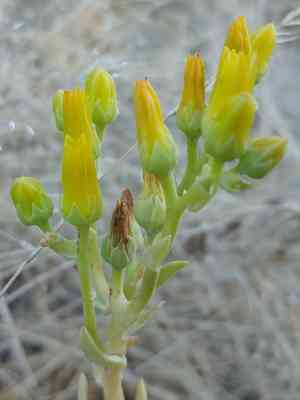
A prominent feature of Sea lettuce is its unique coloration and feel. Unlike many plants, its leaves possess a beautiful, almost sculpted appearance, with subtle shades ranging from deep greens to blueish tones. This singular foliage sparks interest and adds visual depth to your garden. Strategically placed among other plants, Sea lettuce can serve as a captivating focal point or a complementary backdrop.
Year-round visual appeal offered by Sea lettuce
The allure of Sea lettuce persists throughout all seasons. In spring, it produces small, vibrant yellow blooms that provide a cheerful splash of color, beautifully contrasting its calm foliage. Throughout summer and autumn, the leaves remain lush and engaging. Even in winter, the plant's structure offers a robust framework that maintains its visual interest when other plants may have faded.
From natural to formal: Adaptable design applications
Sea lettuce is remarkably adaptable and can be incorporated into both informal and structured garden designs. In a more relaxed, naturalistic setting, it can emulate a coastal landscape, fitting seamlessly into rock gardens or xeriscapes. Conversely, in a formal garden, the neat, well-defined form of Sea lettuce makes it an excellent border plant or a refined element in a minimalist design. Its flexibility allows gardeners to use it in various settings to achieve diverse aesthetic outcomes.
Selecting the Optimal Site for Sea lettuce in Your Garden
Considerations for sun exposure and shade
For Sea lettuce to flourish, it's vital to position it where it receives ample sunlight. Ideally, it should get at least six hours of direct sun daily. However, it can also tolerate partial shade, especially in warmer climates. Observing your garden's sunlight patterns throughout the day can help you find the perfect spot that balances light and shade to keep your Sea lettuce healthy and vibrant.
Preferred soil types for Sea lettuce
Sea lettuce is not overly particular about soil types, making it a resilient addition to various garden environments. However, it performs best in well-drained soils. Whether you have sandy, loamy, or rocky soil, ensure it drains well to prevent water from accumulating around the roots, which can lead to rot. If your garden soil is heavy clay, consider amending it with sand or gravel to improve drainage.
Water drainage and accessibility
Water management is another crucial factor for successfully cultivating Sea lettuce. This plant has low water requirements once established, making it an excellent choice for water-wise gardens. Ensure the planting location has superb drainage. Raised beds or slopes are ideal for this purpose. Additionally, consider ease of access for maintenance. Easily reachable locations will simplify caring for your Sea lettuce, helping it thrive with minimal effort.
Integrating Sea lettuce with Other Plants
Companion planting: Best pairings with Sea lettuce?
When pairing Sea lettuce with other plants, select companions that share similar growing conditions, such as drought tolerance and sun needs. Succulents, ornamental grasses, and other native plants are excellent choices. They not only complement Sea lettuce's aesthetic but also create a cohesive garden environment that is simpler to maintain. Incorporating a variety of textures and colors can enhance the overall visual appeal of your landscape.
Creating layers in garden design
Layering plants in your garden design can add depth and a sense of fullness. Use Sea lettuce in the mid-ground or foreground depending on the height and growth habits of surrounding plants. For example, taller shrubs or trees can provide a backdrop, while low-growing ground cover plants can add a lush carpet at the base. This approach ensures a dynamic and well-organized garden where Sea lettuce can shine without dominating its neighbors.
Balancing scale and proportion in planning
Achieving a balanced garden design involves careful consideration of scale and proportion. Sea lettuce, with its moderate size and structured growth, works well in both small and large spaces. In smaller gardens, a few strategically placed Sea lettuce plants can make a significant impact without making the space feel crowded. In more expansive landscapes, groups or clusters of Sea lettuce can create striking visual rhythms and draw the eye across the garden.
Maintenance Tips for Sea lettuce in Landscape Settings
Basic grooming and upkeep for health and aesthetics
Maintaining Sea lettuce is straightforward but essential for its health and beauty. Remove any dead leaves or flowers to encourage new growth and prevent pest problems. Pruning isn't usually necessary, but occasional shaping can help maintain a neat appearance. Regularly check the plant's base for signs of rot or disease and take action as needed to keep your Sea lettuce looking its best.
Seasonal care routines to enhance longevity
Adjust your care routines based on the season. During the growing season, ensure that Sea lettuce receives adequate water, but be careful not to overwater. In colder months, particularly in areas with frost, consider providing some protection or bringing potted Sea lettuce indoors. Additionally, a light mulch can help protect the root system from temperature extremes and retain soil moisture.
Pest prevention and natural control methods
While Sea lettuce is generally low-maintenance in terms of pests, aphids and mealybugs can occasionally be an issue. Regularly inspect your plants and, if pests are detected, opt for natural control methods such as neem oil or insecticidal soap. Additionally, encouraging beneficial insects like ladybugs can help keep pest populations in check, ensuring your Sea lettuce remains healthy without resorting to harsh chemicals.
Impact of Sea lettuce on Local Ecology and Sustainability
Supporting local wildlife with Sea lettuce
Sea lettuce can play a significant role in supporting local wildlife. Its flowers attract pollinators such as bees and butterflies, providing them with a valuable food source. Additionally, the plant can offer shelter to small insects and other garden dwellers, creating a mini-ecosystem in your backyard that encourages biodiversity.
Contributions to biodiversity and environmental health
Integrating Sea lettuce into your garden contributes to overall biodiversity. By choosing native plants like Sea lettuce, you're supporting the local ecosystem more effectively than with non-native species. This can lead to a healthier and more resilient garden environment, promoting natural processes and reducing the need for artificial interventions.
Water conservation benefits of using Sea lettuce in landscapes
One of the outstanding features of Sea lettuce is its ability to thrive with minimal water, making it an excellent plant for water conservation efforts. By incorporating Sea lettuce into your landscape, you can reduce your garden's overall water consumption, helping to conserve this precious resource. This is especially beneficial in areas prone to drought or with water restrictions, allowing you to maintain a beautiful garden while being environmentally responsible.



