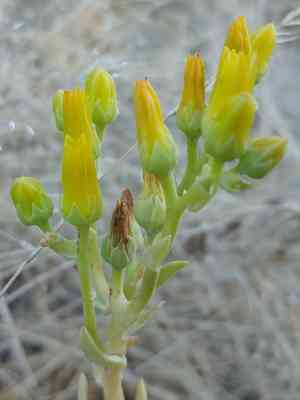
Sea lettuce (Dudleya caespitosa)
Also known as: Coast dudleya
Sand lettuce, also known as coast dudleya (Dudleya caespitosa), is a succulent plant native to California. It is highly prized in rock and succulent gardens for its decorative rosettes. This species thrives in well-draining soil and attracts yellow hummingbirds.
In This Article
Attributes of Sea lettuce
Lifespan
Perennial
Plant Type
Herb
Plant Height
15 cm
Spread
20 cm
Leaf Color
Green Bronze
Flower Size
2.5 cm
Flower Color
Yellow Pink Green Red
Images of Sea lettuce
Quickly Identify Sea lettuce
1
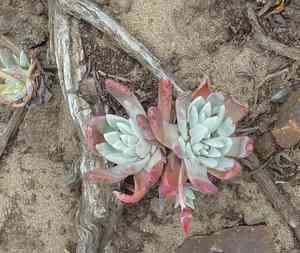
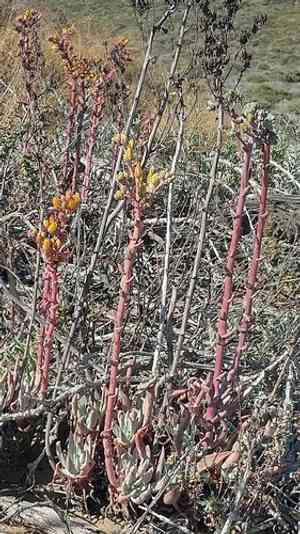
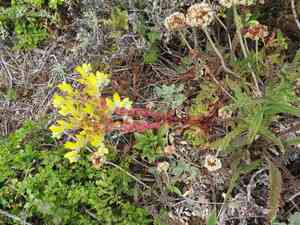
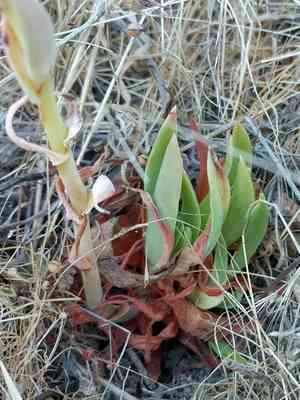
Dudleya caespitosa can be identified by its rosette-forming bluish-green leaves that are pointed and somewhat fleshy. It produces tall, flowering stalks that bear bright yellow flowers.
Scientific Classification of Sea lettuce
Phylum
Vascular plants
Class
Dicotyledons
Order
Saxifragales
Family
Stonecrop
Genus
Liveforevers
Species
Sea lettuce
Planting and Growing of Sea lettuce
Care Difficulty
Easy
Watering Schedule
Every 2 days
Sunlight Requirements
Full sun
Sunshine Duration
4-6 hours
Ideal Temperature
60-75℉
Soil Type
Potting Mix, Peat Mix
Soil pH
6.5-7.5
Fertilizer Type
Balanced
Pruning Season
Spring, Summer
Pruning Area
Branches, Leaves
Pruning Frequency
2 times a year
Repotting Season
Spring
Pot Type
Plastic, Ceramic
 How to Water Sea lettuce?
For Dudleya caespitosa, it is crucial to water deeply but infrequently. When watering, ensure the soil is drenched with approximately 100 ml of water per session until it is thoroughly moist but avoid waterlogging. The goal is to mimic the plant’s natural arid habitat where it receives infrequent, significant downpours.
What are the symptoms of an underwatered Sea lettuce?
›
What should I do if my Sea lettuce is not getting enough water?
›
What are the symptoms of an overwatered Sea lettuce?
›
How to save an overwatered Sea lettuce?
›
 What Are the Sunlight Requirements for Sea lettuce?
Dudleya caespitosa flourishes under partial to full sun exposure, helping it maintain its robust growth and vibrant color, crucial for its health and resilience against environmental stressors.
More About Sunlight Requirements Techniques→
What is the ideal lighting condition for Dudleya caespitosa?
›
How can you achieve such ideal lighting conditions?
›
What benefits does ideal lighting offer Dudleya caespitosa?
›
 What Is the Ideal Temperature Range for Sea lettuce?
Dudleya caespitosa thrives in a temperature range that mimics its native coastal environments. Ideally, temperatures should stay between 60°F and 75°F. This ensures the plant remains vibrant and stress-free, facilitating healthy growth and resilience to pests and diseases.
 What Soil is Best for Sea lettuce?
Dudleya caespitosa thrives in well-drained soils, which prevent waterlogging and root rot. This requirement supports healthy root growth by allowing excess water to escape. This succulent prefers soil with moderate nutrient content. This helps in sustaining its growth without overwhelming it, which can be beneficial in preventing nutrient burn. A coarse soil texture allows for better air circulation around the roots, preventing fungal issues. This contributes to a healthier plant life by reducing the risk of disease.
 How to Fertilize Sea lettuce?
For Dudleya caespitosa, using a balanced, diluted fertilizer is essential. Apply a weak liquid fertilizer solution at a quarter strength during the growing season to avoid over-nourishment. Too much fertilizer can harm rather than help, so moderation is key.
 How to Prune Sea lettuce?
Begin by assessing the overall shape and health of your Dudleya caespitosa. Identify any dead, damaged, or diseased leaves, as these should be the first to go. Use sharp, clean pruning shears to carefully snip away these leaves, making sure to cut close to the base without damaging the healthy parts of the plant. Removing these will help prevent any potential spread of disease and will encourage the plant to focus its energy on healthier growth. If your Dudleya caespitosa is becoming too large or unruly, you can prune for size control. Choose overgrown stems or leaves that are disrupting the desired shape. Trim them back to just above a leaf node or the main stem. This method not only tidies up the plant but also encourages the development of a more compact and bushier appearance, making the plant more visually appealing and manageable.
 How to Propagate Sea lettuce plant?
1
Fill a seed tray with a well-draining soil mix. Sow Dudleya caespitosa seeds evenly across the surface and cover lightly with soil. Water gently to settle the soil without disturbing the seeds.
2
Select a healthy parent plant and use a sharp knife to take a healthy leaf cutting. Allow the cutting to dry for a day or two to form a callus, which helps prevent rot after planting.
3
Insert the callused end of the cutting into a pot with a well-draining soil mix. Place the pot in a warm location with indirect light and mist the soil lightly to encourage rooting.
 How to Repot Sea lettuce plant?
1
Dudleya caespitosa benefits from repotting when it becomes too cramped in its current container or when the soil quality begins to degrade. Signs that your plant might need repotting include stunted growth, roots growing out of the drainage holes, or a reduction in the plant's vibrant color. Optimal times for repotting are during early spring or autumn, when the plant is not in active growth or flowering stages, allowing it to adjust to the new soil and pot without stressing.
2
Select a pot that is slightly larger than the current one with adequate drainage holes, as Dudleya caespitosa is prone to root rot if water is held in the container. Ceramic or terracotta pots are excellent choices as the porous nature of these materials helps with moisture regulation, providing a healthier environment for the roots. Ensure the pot provides stability to prevent top-heavy plants from tipping over.
3
Use a well-draining, gritty soil mix designed for succulents and cacti. This type of soil minimizes water retention, preventing root rot and other moisture-related issues. Include components such as perlite, coarse sand, and small stones to further enhance drainage. Such soil replicates the plant's natural habitat, promoting healthy growth and vibrant foliage.



