Enhancing Your Garden Design with the Red bush monkeyflower Plant: A Landscaping Guide
1
Red bush monkeyflower adapts well to diverse landscape layouts.
2
Employing Red bush monkeyflower as a central feature significantly improves garden beauty.
3
Seasonal factors are vital for Red bush monkeyflower's best growth and appearance.
Introducing Red bush monkeyflower in Garden Design
Red bush monkeyflower's aesthetic appeal overview
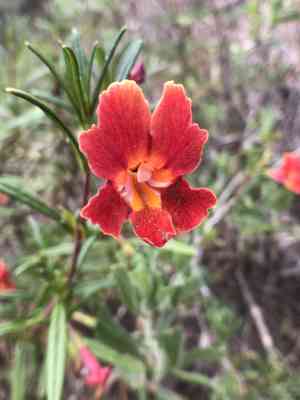
Garden enthusiasts consistently seek plants that inject vivid color and vitality into their outdoor spaces. Red bush monkeyflower achieves this with its strikingly bright blossoms and abundant foliage. Renowned for its vibrant, attention-grabbing flowers, Red bush monkeyflower can revitalize any garden area by serving as a prominent visual anchor. The rich shades of its blooms captivate not only people but also bees, butterflies, and other pollinators, making it a dynamic addition to any garden.
Red bush monkeyflower's general adaptability in diverse landscape schemes
Red bush monkeyflower exhibits remarkable versatility, integrating seamlessly into various landscaping styles, from contemporary minimalist gardens to more traditional, lush arrangements. It flourishes in different soil types and climatic conditions, making it an excellent selection for gardeners across various regions. This adaptability allows Red bush monkeyflower to effortlessly merge into diverse landscaping concepts, whether your goal is a wild, natural aesthetic or a meticulously maintained garden.
Design Approaches with Red bush monkeyflower
Utilizing Red bush monkeyflower as a central feature
One optimal method to integrate Red bush monkeyflower into your garden is by employing it as a focal point. Its vibrant flowers naturally attract the eye, rendering it perfect for garden centers, borders, and individual containers. Strategically placing Red bush monkeyflower can generate visual interest and guide the gaze across different sections of your garden. For example, planting Red bush monkeyflower at key points along a garden path or near a seating area can elevate the garden's overall charm.
Companion plants for Red bush monkeyflower
Pairing Red bush monkeyflower with complementary plants can enhance its visual impact. Plants featuring contrasting foliage, such as silvery or bluish-green leaves, accentuate the vivid colors of Red bush monkeyflower. Furthermore, incorporating plants that bloom at varying times can ensure continuous flowering and maintain your garden's allure throughout the seasons. Excellent companions for Red bush monkeyflower include lavender, sage, and ornamental grasses that offer textural contrast.
Color coordination suggestions
When planning your garden, consider the color scheme to forge a harmonious and visually pleasing environment. Red bush monkeyflower, with its bold flowers, harmonizes well with both soft pastels and other vibrant blooms. For a balanced appearance, combine Red bush monkeyflower with plants that possess complementary colors on the color wheel. For instance, pairing it with yellow or purple flowering plants can yield a dynamic and appealing arrangement. Also, consider the background, as neutral tones can make Red bush monkeyflower's colors stand out even more.
Seasonal Considerations for Red bush monkeyflower
Optimal planting seasons for Red bush monkeyflower
Timing is critical when planting Red bush monkeyflower to ensure prime growth and blooming. The most favorable seasons for planting are spring and early fall when temperatures are moderate. Planting during these periods allows Red bush monkeyflower to establish its root system before the extreme heat of summer or cold of winter arrives. This strategic planting guarantees healthier plants with more abundant flowers.
Visually appealing combinations for each season
To maintain your garden's beauty year-round, combine Red bush monkeyflower with plants that thrive in different seasons. In spring, pair Red bush monkeyflower with early bloomers like daffodils and tulips. During summer, complement it with perennials such as coneflowers and black-eyed Susans. For autumn, grasses or asters can provide a lovely contrast to the lively Red bush monkeyflower. By selecting seasonally appropriate plants, you can sustain a vibrant garden throughout every part of the year.
Maintenance Advice for Red bush monkeyflower in Landscapes
Basic care and ecological practices
Maintaining Red bush monkeyflower is relatively simple, making it a favorite among both novice and experienced gardeners. Consistent watering during its initial establishment phase is vital, but once mature, Red bush monkeyflower is drought-tolerant and requires less frequent irrigation. Pruning faded flowers can stimulate new blooms, and occasional fertilization during the growing season can support robust growth. Opting for organic fertilizers and natural pest control methods can foster sustainable gardening practices.
Preventing common problems
While Red bush monkeyflower is generally resilient, it can encounter some common issues like aphid infestations and fungal diseases. To avert these problems, ensure adequate air circulation around the plants and avoid overwatering. Regularly inspecting your plants for signs of pests or disease can help you address issues promptly before they become severe. If necessary, treatment with insecticidal soap or neem oil can effectively manage pests without harming beneficial insects.
Innovative Applications of Red bush monkeyflower in Contemporary Landscaping
Case studies and sources of inspiration
Many modern landscapes have successfully integrated Red bush monkeyflower to create striking visual effects. For instance, urban gardens and rooftop spaces frequently utilize Red bush monkeyflower for a burst of color and a touch of nature amidst city environments. Community gardens and public parks also feature Red bush monkeyflower to establish inviting and colorful areas for visitors. These examples demonstrate the plant's adaptability and its capacity to flourish in diverse settings.
Future trends involving Red bush monkeyflower
Looking forward, the use of Red bush monkeyflower in sustainable and eco-friendly gardening continues to gain traction. As gardeners and landscapers seek more environmentally conscious choices, Red bush monkeyflower offers an ideal blend of beauty and resilience. Future trends may see Red bush monkeyflower incorporated into vertical gardens and green walls, promoting urban greening and biodiversity. Additionally, technological advancements in gardening could lead to more efficient and effective methods to cultivate and maintain Red bush monkeyflower.



