Enhancing Your Garden Design with the Elephant's foot Plant: A Landscaping Guide
1
Incorporating Elephant's foot into your garden design can provide a distinctive visual charm.
2
Elephant's foot flourishes in soil that drains effectively and needs little upkeep after it's rooted.
3
Pairing Elephant's foot with suitable companion plants can improve your garden's complete appearance.
Grasping the Distinctive Beauty of Elephant's Foot
Visual traits of Elephant's Foot
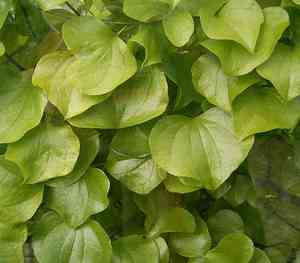
A prominent visual aspect of Elephant's Foot is its distinctive, swollen base, resembling an elephant's foot, which gives it its common name. This feature makes it a remarkable addition to any garden, offering a natural, sculptural element that is both exotic and captivating. The bark possesses a rough, fissured texture that enhances its visual appeal, while the trailing leaves offer a contrast with their delicate, heart-shaped form.
How Elephant's Foot's look changes seasonally
Elephant's Foot undergoes notable transformations throughout the year. During its active growth period, typically spring and summer, the plant develops a lush canopy of leaves and occasionally, small, inconspicuous blooms. In autumn and winter, the foliage often recedes, revealing the full splendor of its sculptural caudex. This seasonal shift can add dynamic interest to your outdoor space, ensuring your garden evolves over time.
Comparing Elephant's Foot with other common garden plants
When contrasted with other popular garden plants, Elephant's Foot's unique shape and texture stand out. Unlike typical shrubs and trees that offer uniform foliage and flowers, Elephant's Foot provides an architectural element to the garden. Its distinct appearance can be more evocative than the usual, symmetrical forms of boxwoods or the bloom-heavy displays of azaleas, making it an excellent choice for gardeners aiming to introduce an element of surprise and fascination into their landscape.
Optimal Placement of Elephant's Foot in Garden Designs
Ideal spots for Elephant's Foot in your garden
Elephant's Foot thrives best in areas receiving ample sunlight but protected from harsh conditions. It prefers well-draining soil to prevent waterlogging, which can harm its unique caudex. Suitable locations include sunny borders, elevated beds, or even large pots where soil drainage is more easily managed. Positioning Elephant's Foot where it's easily visible ensures its unusual characteristics can be fully appreciated.
Creating focal points using Elephant's Foot
Due to its striking appearance, Elephant's Foot can be effectively utilized as a focal point in your garden design. Place it at key visual intersections or at your garden's entrance to draw attention. Its sculptural form naturally creates a point of interest, especially when surrounded by plants with more understated shapes and colors. This strategic placement can help anchor your garden's overall design, adding depth and intrigue.
Companion planting suggestions for Elephant's Foot
Pairing Elephant's Foot with suitable companion plants can enhance its visual appeal and overall health. Consider planting Elephant's Foot with low-growing groundcovers like sedums or ornamental grasses that won't overshadow its form. Succulents and cacti also make excellent companions, aligning with its need for well-draining soil and creating a cohesive look in rock gardens or xeriscapes. Additionally, planting Elephant's Foot alongside plants with contrasting foliage or flower colors can further emphasize its unique features.
Garden Themes and Styles That Complement Elephant's Foot
Using Elephant's Foot in rock gardens
Elephant's Foot is perfectly suited for rock gardens, where its sculptural caudex and minimal foliage can be effectively displayed. The rocky terrain ensures well-draining conditions, vital for Elephant's Foot's health. Arranging Elephant's Foot among rocks of various sizes can mimic its natural habitat, creating a harmonious and visually pleasing landscape. This setting highlights Elephant's Foot's rugged texture while blending seamlessly with other succulents and drought-tolerant plants in the garden.
Integrating Elephant's Foot into minimalist designs
The clean, bold lines of minimalist garden designs are perfectly complemented by the unique and striking form of Elephant's Foot. In minimalist settings, every element is carefully chosen for maximum impact, and Elephant's Foot delivers. Its distinctive shape and textured caudex can serve as a central feature in a sparse, curated landscape. Pairing it with sleek, modern materials such as concrete planters or metal sculptures can further enhance its architectural qualities.
Exotic themes that emphasize Elephant's Foot's unique form
For those who enjoy more adventurous and exotic garden themes, Elephant's Foot provides the perfect focal point. Its unusual appearance pairs well with tropical or desert-themed landscapes that aim to evoke a sense of escape and wonder. Combining Elephant's Foot with exotic flowers, colorful foliage, and unique garden ornaments can transport visitors to distant locales. These themes allow Elephant's Foot to shine as a rare and beautiful specimen, adding an element of mystery and allure.



