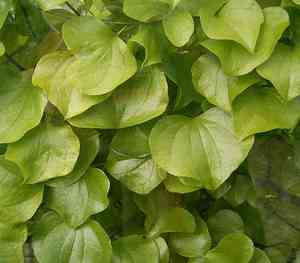
Elephant's foot (Dioscorea elephantipes)
Also known as: Elephant's Foot, Hottentot Bread
The Khoisan, an indigenous tribe from South Africa, used a plant called Dioscorea elephantipes, commonly known as "elephant's foot," as a food source. This plant features a large, above-ground tuber that resembles an elephant's foot. The Khoisan would bake and eat this tuber.
In This Article
Attributes of Elephant's foot
Lifespan
Perennial
Plant Type
Succulent, Vine, Shrub
Plant Height
2.5 m
Spread
2 m
Leaf Color
Green Blue
Flower Size
Small, about 0.5 cm
Flower Color
Yellow Green
Images of Elephant's foot
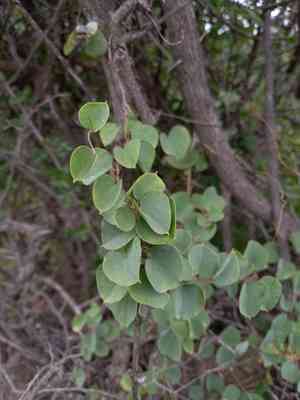
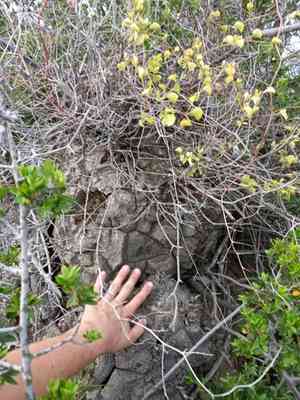
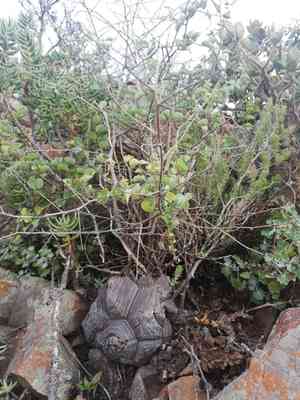
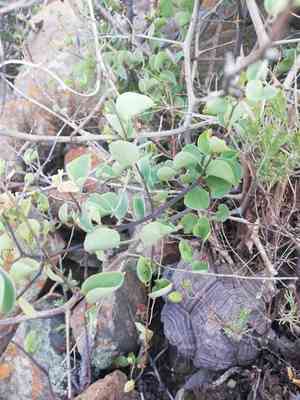
Quickly Identify Elephant's foot
1
Identify Dioscorea elephantipes by its unique, thick, and cracked woody stem that forms a rounded or conical shape. The caudex can grow very large and develops a distinct, patterned surface. The vine-like stems sprout during the growing season and are deciduous.
Scientific Classification of Elephant's foot
Phylum
Vascular plants
Class
Monocotyledons
Order
Dioscoreales
Family
Yam
Genus
Dioscorea
Species
Elephant's foot
Planting and Growing of Elephant's foot
Care Difficulty
Easy
Watering Schedule
Every 2 days
Sunlight Requirements
Full sun
Sunshine Duration
4-6 hours
Ideal Temperature
68-77℉
Soil Type
Potting Mix, Peat Mix
Soil pH
6.5-7.5
Fertilizer Type
Balanced
Pruning Season
Spring, Summer
Pruning Area
Branches, Leaves
Pruning Frequency
2 times a year
Repotting Season
Spring
Pot Type
Plastic, Ceramic
 How to Water Elephant's foot?
Dioscorea elephantipes requires a delicate balance of water. Ensure that you provide approximately 250 ml each time, allowing the soil to dry out completely before re-watering. The aim is to mimic its natural drought-prone habitat, enabling the caudex to function as a reservoir.
More About Watering Techniques→
What are the symptoms of an underwatered Elephant's foot?
›
What should I do if my Elephant's foot is not getting enough water?
›
What are the symptoms of an overwatered Elephant's foot?
›
How to save an overwatered Elephant's foot?
›
 What Are the Sunlight Requirements for Elephant's foot?
Dioscorea elephantipes thrives under full sun conditions, which promotes caudex expansion and vigorous growth. Ideal lighting conditions enhance photosynthesis, leading to better energy production and a healthier, more robust plant.
More About Sunlight Requirements Techniques→
How much sunlight does Dioscorea elephantipes need?
›
Solutions for achieving ideal light
›
Benefits of adequate sunlight
›
 What Is the Ideal Temperature Range for Elephant's foot?
The ideal temperature range for cultivating Dioscorea elephantipes is between 68°F and 77°F. Within this temperature range, the plant tends to thrive because it closely mimics its native environment. Proper temperature management in this range ensures robust growth and helps prevent issues such as temperature shock, which can lead to stunted growth or poor health.
 What Soil is Best for Elephant's foot?
Dioscorea elephantipes thrives in well-draining soil to avoid waterlogged conditions that could lead to root rot. Using a mix of sandy and loamy soils ensures proper drainage, crucial for the plant's health and longevity. While Dioscorea elephantipes doesn't need excessively fertile soil, a moderate level of nutrients can support its growth. Incorporating organic matter or a balanced fertilizer can help provide these nutrients, promoting healthy foliage and overall vitality. This plant prefers a soil pH between 6.5 and 7.5. Maintaining this pH range helps in the effective absorption of nutrients from the soil, fostering optimal growth conditions.
More About Soil→
 How to Fertilize Elephant's foot?
Dioscorea elephantipes, commonly known as Elephant's Foot, appreciates a lean approach to fertilization. Over-fertilizing can harm this unique caudiciform plant. A quarter-strength balanced 10-10-10 liquid fertilizer applied monthly during the growing season offers the nutrients it requires. For slow-release granular options, use a scant teaspoon lightly mixed into the soil once every six months, ensuring that it reaches deeper tranquility rather than overwhelming heft.
 How to Prune Elephant's foot?
Begin by sterilizing your pruning shears to prevent the spread of diseases. Focus on removing any yellowing or damaged leaves, as well as any shoots growing erratically. Trim back overly long stems to a manageable length, keeping the plant's natural growth pattern in mind. This encourages fuller, bushier growth. When shaping your Dioscorea elephantipes, always aim to maintain its unique and sculptural appearance. Trim to enhance its natural form, cutting back any shoots that detract from its character. Use clean cuts to prevent jagged edges, which can invite pests or diseases.
 How to Propagate Elephant's foot plant?
1
Fill the seed trays or pots with a sterile potting mix. The medium should be light, airy, and able to retain moisture without becoming waterlogged.
2
Sow the Dioscorea elephantipes seeds on the surface of the potting mix, lightly covering them with a thin layer of sand or fine soil. Maintain a consistent level of moisture to encourage germination.
3
Place the trays in a warm, well-lit area but out of direct sunlight. The temperature should be maintained around 20-25 degrees Celsius for optimal germination rates.
 How to Repot Elephant's foot plant?
1
Repotting Dioscorea elephantipes should be considered when the caudex grows significantly larger or becomes root-bound. The best signal is when roots start peeking out of the drainage holes or the soil appears compacted and depleted. Performing this task at the start of its growing season in spring ensures the plant can adjust quickly to its new environment with ample time to establish.
2
Select a pot that is slightly larger than the previous one, ensuring it has good drainage holes. A terracotta pot can be highly beneficial as it allows the soil to dry out properly between watering, preventing root rot. Ensure the new pot provides enough space for the caudex to expand, promoting healthy growth.
3
Choose a well-draining gritty mix for repotting. A combination of cactus soil with perlite or pumice works wonders. This mix prevents water retention, mimicking the plant's natural rocky environment and allowing for optimal air circulation which is crucial for root health.
Toxicity
ingestion
WARNING
The judgment on toxicity and danger is for reference only. We DO NOT GUARANTEE any accuracy of such judgment. Therefore, you SHALL NOT rely on such judgment. It is IMPORTANT TO SEEK PROFESSIONAL ADVICE in advance when necessary.
Learn More About Elephant's foot Diseases
Anthracnose
Bacterial Leaf Spot
Bacterial Soft Rot
Bacterial Wilt
Black Spot
Chemical Injury
Damping-off
Drought Stress
Fusarium Wilt
Gray Mold
Leaf Spot
Mosaic
Nutrient Deficiency
Nutrient Toxicity
Powdery Mildew
Root Rot
Root-knot Nematode
Sooty Mold
Spider Mites
Temperature Stress
Thrips Damage
White Mold



