Enhancing Your Garden Design with the Azarole Plant: A Landscaping Guide
1
Azarole offers both visual charm and practical advantages in garden design.
2
Where Azarole is placed affects its development and aesthetic contribution.
3
Yearly maintenance for Azarole guarantees its extended life and vividness.
Introducing Azarole to Your Landscape
Azarole's visual appeal explained
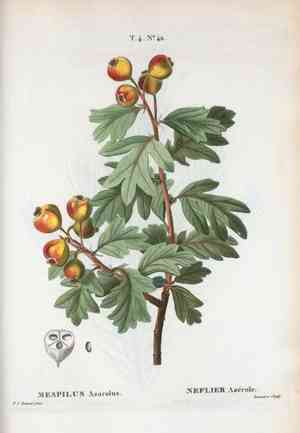
The Azarole is a remarkable choice for landscaping due to its striking appearance. This plant brings a distinct charm to outdoor areas with its rich green leaves, delicate white or pink flowers, and vibrant red or orange berries. Its attractive visual qualities allow Azarole to serve as a central feature or an elegant accent in various garden designs. Its dense, rounded form adds structure and depth to any landscape, blending harmoniously with other garden elements.
Advantages of adding Azarole to your outdoor areas
Beyond its beauty, Azarole offers several practical benefits. It promotes biodiversity by providing shelter and food for various bird species, especially during fruiting periods. The plant also functions as a natural barrier or windbreak, protecting other garden plants. Furthermore, Azarole's hardiness and adaptability to different soil types and environmental conditions make it a robust addition to any garden. By integrating Azarole into your landscape, you not only enhance its beauty but also positively contribute to the local ecosystem.
Selecting the Best Location for Azarole in Your Garden
Key considerations for optimal placement
Choosing the perfect spot for Azarole in your garden is vital for its development and overall landscape balance. Think about factors such as soil quality, moisture levels, and proximity to other plants. Azarole thrives best in well-drained soil with moderate moisture. Ensure there's ample space around it for air circulation to prevent fungal issues. Additionally, consider its visual impactâplacing Azarole where its captivating blooms and fruits are easily seen can maximize its decorative effect.
How light exposure impacts Azarole's growth
Azarole flourishes in full sun but can endure partial shade. It's important to observe how sunlight moves across your garden throughout the day to determine the best location. Too much shade can reduce flowering and fruit production, while excessive exposure to intense, direct sunlight might require more frequent watering. Ideally, a spot that receives morning sun and some afternoon shade would support optimal growth, ensuring Azarole remains healthy and vibrant.
Growing Azarole with Companion Plants
Ideal companion plants for Azarole
Companion planting can boost Azarole's growth and the overall beauty of your garden. Suitable companion plants include flowering perennials like lavender and coneflowers, which attract pollinators and support biodiversity. Low-growing ground covers, such as creeping thyme or sedum, can fill the space around Azarole, reducing weed growth and retaining soil moisture. These companion plants not only complement Azarole's appearance but also foster a healthier garden ecosystem.
Benefits of thoughtful companion planting
Thoughtful companion planting with Azarole offers numerous advantages. It encourages a balanced ecosystem by attracting beneficial insects and deterring pests, lessening the need for chemical interventions. Companion plants can also improve soil health by fixing nitrogen or adding organic matter, thereby enhancing Azarole's nutrient absorption. By carefully selecting companion plants, you create a mutually supportive environment that boosts plant health and productivity, ensuring a thriving and aesthetically pleasing garden.
Seasonal Care Advice for Azarole
Essential care during spring and summer
Spring and summer are critical periods for Azarole's growth and development. In spring, focus on pruning to remove dead or weak branches, promoting better air circulation and new growth. Fertilize with a balanced, slow-release fertilizer to provide essential nutrients. In summer, ensure consistent watering, especially during dry spells, to keep the soil consistently moist. Mulching around the base of Azarole helps retain moisture and regulate soil temperature, supporting robust growth through the warmer months.
Preparing Azarole for autumn and winter
As the growing season concludes, preparing Azarole for the colder months is crucial for its resilience. In autumn, remove any fallen leaves or debris around the plant's base to prevent disease. Prune lightly if needed to maintain shape and remove any damaged branches. Applying a layer of mulch or compost around the base can protect the roots from severe cold. Ensure minimal disturbance as Azarole enters dormancy, allowing it to rest and conserve energy for vigorous growth in spring.
Integrating Azarole into Various Landscape Styles
Pairing Azarole with contemporary landscape designs
For those who prefer modern landscape designs, Azarole can be a versatile asset. Its structured, rounded form complements the clean lines and minimalist aesthetics typical of contemporary gardens. Pair it with sleek hardscaping elements like stone pathways or metal features to highlight its shape and color contrast. Positioning Azarole strategically within geometric planting beds or alongside ornamental grasses can enhance the modern feel, creating a visually appealing, low-maintenance garden space.
Using Azarole in classic garden settings
In classic garden settings, Azarole's traditional charm fits perfectly. Its blossoms and fruits add seasonal interest, while the lush foliage provides a consistent backdrop for other perennial flowers and shrubs. Plant Azarole near a garden bench or along pathways to create inviting, fragrant walkways. Integrating it with other traditional garden plants like roses, hydrangeas, and boxwoods can create a timeless, picturesque landscape that exudes elegance and warmth.



