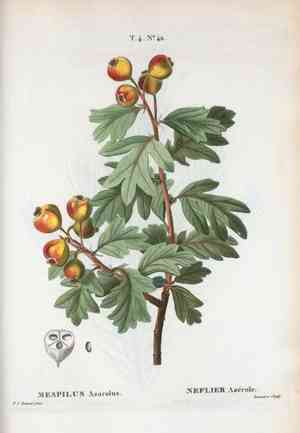
Azarole (Crataegus azarolus)
Also known as: Crete hawthorn
The strawberry tree (Arbutus unedo) is a small Mediterranean tree or shrub that yields edible red fruit, reminiscent of the European common hawthorn. These fruits can be enjoyed fresh, but they are also commonly used in making jams, juices, and sauces.
In This Article
Attributes of Azarole
Lifespan
Perennial
Plant Type
Tree, Shrub
Plant Height
3 m to 3.5 m
Spread
3 m to 5 m
Leaf Color
Green
Flower Size
2.5 cm
Flower Color
White
Images of Azarole
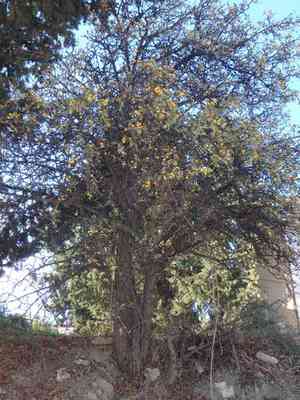
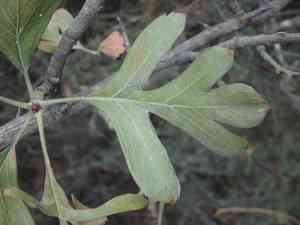
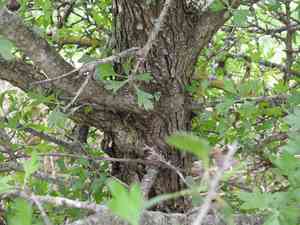
Quickly Identify Azarole
1
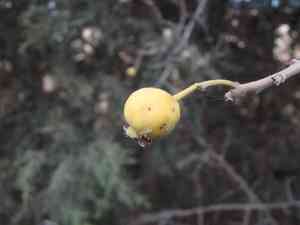
To identify Crataegus azarolus, look for a small tree or shrub with thorny branches. The leaves are typically ovate with lobed margins, and the white flowers appear in clusters. The fruit is small, typically apple-like, and ranges in color from yellow to red.
Scientific Classification of Azarole
Phylum
Vascular plants
Class
Dicotyledons
Order
Rosales
Family
Rose
Genus
Hawthorns
Species
Azarole
Planting and Growing of Azarole
Care Difficulty
Easy
Watering Schedule
Every 4 days
Sunlight Requirements
Full sun
Sunshine Duration
6-10 hours
Ideal Temperature
60-75℉
Soil Type
Potting Mix, Peat Mix
Soil pH
6.5-7.5
Fertilizer Type
Balanced
Pruning Season
Spring, Summer
Pruning Area
Branches, Leaves
Pruning Frequency
2 times a year
Repotting Season
Spring
Pot Type
Plastic, Ceramic
 How to Water Azarole?
For Crataegus azarolus, it's vital to ensure the soil is moist but not waterlogged. Typically, around 500 ml of water should be poured until you notice it beginning to drain from the bottom of the pot. This ensures that the entire root system is adequately hydrated without drowning the plant.
What are the symptoms of an underwatered Azarole?
›
What should I do if my Azarole is not getting enough water?
›
What are the symptoms of an overwatered Azarole?
›
How to save an overwatered Azarole?
›
 What Are the Sunlight Requirements for Azarole?
Crataegus azarolus prefers full to partial sun, flourishing best in conditions providing 4-6 hours of light. Adequate sunlight supports robust growth, improves photosynthesis, and ensures optimal fruit bearing.
More About Sunlight Requirements Techniques→
How much sunlight does Crataegus azarolus need?
›
How can I achieve ideal lighting for Crataegus azarolus?
›
What benefits does ideal lighting bring to Crataegus azarolus?
›
 What Is the Ideal Temperature Range for Azarole?
For Crataegus azarolus to thrive, it is important to maintain an optimal temperature range between 60 and 75 degrees Fahrenheit. These temperatures facilitate optimal physiological processes, including efficient photosynthesis, nutrient uptake, and healthy cellular function. Keeping the plant within this range will ensure robust growth and vigor.
 What Soil is Best for Azarole?
Crataegus azarolus thrives in well-drained soils as it helps prevent root rot which can damage the plant. This ensures that water does not pool around the roots, providing optimal conditions for growth. The plant requires soil with moderate fertility to support its nutrient needs without overwhelming it. This balance promotes healthy foliage and fruit production. Incorporating organic matter into the soil enhances its structure and aeration, supporting the plant's root development and microbial activity needed for nutrient uptake.
 How to Fertilize Azarole?
For the Crataegus azarolus, moderate application is key. Typically, use about 50 grams of fertilizer per mature tree. It's crucial not to over-apply to prevent root burn and other toxic effects on the plant. Always follow the specific guidelines on the fertilizer package and consider the plant's size and age for best results.
 How to Prune Azarole?
Start by cutting away any dead or diseased branches. This not only improves the health of the plant by reducing the risk of spread but also allows you to better see the structure and areas needing attention. Identify areas of the tree where branches are too crowded. Thinning these sections improves light penetration and air circulation, which helps in reducing fungal disease and encourages healthier growth. Trim back larger branches to maintain the desired shape and size of the tree. Follow the natural shape of the tree, making cuts at a slight angle just above outward-facing buds to encourage growth outwards rather than inwards.
More About Pruning Techniques→
 How to Propagate Azarole plant?
1
Collect ripe seeds from existing Crataegus azarolus plants and sow them in a seed tray filled with well-draining soil. Ensure the seeds are covered with a thin layer of soil and kept at constant moisture levels.
2
Select healthy stems from the parent plant and use pruning shears to make angled cuts. Remove leaves from the lower half of the cutting and apply rooting hormone to promote root development.
3
For grafting, choose a healthy rootstock and a mature scion. Make matching cuts on both, ensuring they fit snugly together, and secure them with grafting tape to allow the cambium layers to merge.
 How to Repot Azarole plant?
1
Crataegus azarolus needs repotting when rootbound or when growth stalls, showing yellowing leaves. Spring or early summer is ideal, offering ample time for recovery and new root growth. Observation of roots circling the container's soil surface or protruding from drainage holes is an unmistakable sign.
2
Choose a pot that is just one size bigger than the current one. Ensure it has drainage holes. Strong, breathable material like terracotta is ideal, facilitating moisture regulation and preventing root rot while providing stability with its weight. The pot should have ample space for root expansion without overwhelming the plant with excess space.
3
Opt for a well-draining loamy mix. This medium retains essential moisture while allowing excess water to drain away, guarding against root rot. A balanced combination of sand, silt, and clay ensures that the plant’s roots are well-aerated and nutrients are effectively supplied, thus promoting healthy growth.



