Enhancing Your Garden Design with the Snowbush Plant: A Landscaping Guide
1
Snowbush offers a distinct aesthetic to various garden designs.
2
The best times to plant Snowbush differ, influencing its development and look.
3
Regular maintenance and suitable neighboring plants greatly improve Snowbush's beauty.
Introducing Snowbush in Garden Design
Understanding Snowbush's Visual Charm
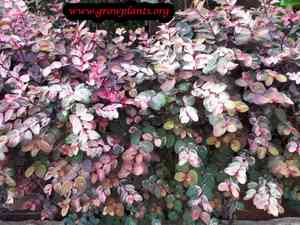
To enrich your garden with a fresh and lively element, Snowbush stands out with its distinct look. This plant offers a striking mix of colors that can transform any garden area into a visual delight. With its varied leaves of green, white, and sometimes pink, Snowbush creates a captivating display that draws the eye and adds a dynamic touch to your landscape. This color diversity can break up the uniformity of green-dominated gardens and offer a refreshing contrast. The unique pattern of its foliage, combined with its bushy, compact form, makes Snowbush an excellent choice for adding texture and depth to garden designs.
Snowbush's Contribution to Garden Aesthetics
Snowbush plays a significant role in garden design and aesthetics, offering more than just its physical beauty. Its adaptable nature allows it to integrate smoothly into various garden layouts, from contemporary to classic. This plant not only enhances your garden's color palette but also serves as a focal point or a complementary backdrop, depending on your design needs. By strategically placing Snowbush, you can create visual paths that naturally guide the observer's gaze. The plant's versatility makes it suitable for hedging, borders, or even as a solitary specimen.
Integrating Snowbush into Diverse Garden Styles
Pairing Snowbush with Contemporary Garden Designs
Modern garden layouts often feature clean lines, minimalist aesthetics, and a harmonious blend of elements. Snowbush fits perfectly into such designs due to its structured growth and distinctive foliage. When planning a modern garden, consider using Snowbush alongside sleek, architectural features like metal or stone. This combination enhances the crisp, contemporary feel while adding a touch of organic vibrancy. Snowbush can also soften the edges of hard landscaping materials, creating a balanced, visually pleasing garden environment.
How Snowbush Enhances Traditional Garden Aesthetics
In traditional garden designs, which often celebrate lush greenery and a classical atmosphere, Snowbush provides a charming contrast. Its unique leaf patterns and vibrant colors can break the monotony of conventional plantings and introduce a refreshing twist. When incorporated into traditional gardens, Snowbush can highlight the elegance of more subdued plant species, creating a rich tapestry of textures and hues. Consider placing Snowbush near classic ornamental features like fountains or statues for a picturesque setting.
Utilizing Snowbush in Compact or Minimalist Spaces
For small or minimalist garden areas, Snowbush is an excellent choice due to its modest size and low maintenance needs. Its ability to thrive in confined spaces without losing its aesthetic appeal makes it ideal for balcony gardens, patios, or small urban backyards. When space is limited, Snowbush can be used in pots or containers, offering flexibility in placement and mobility. The vibrant foliage creates a focal point that can make even the smallest spaces feel lush and inviting.
Seasonal Considerations for Snowbush Care
Optimal Seasons for Planting Snowbush for Best Growth
Timing is crucial when planting Snowbush for optimal growth and visual appeal. The best seasons to plant Snowbush are typically spring and early summer when the weather is mild, allowing the plant to establish itself before extreme summer heat or winter cold. Planting during these seasons ensures Snowbush receives adequate sunlight and warmth, promoting healthy development. Alternatively, fall can also be a good time to plant, letting Snowbush settle in cooler temperatures, preparing it for vigorous growth in the spring.
Impact of Seasonal Changes on Snowbush's Appearance
Seasonal changes can significantly affect Snowbush's appearance. During spring and summer, you can expect Snowbush's foliage to be at its most vibrant, displaying a striking array of colors. However, as fall approaches, Snowbush may undergo subtle changes, such as a slight fading of its colors or reduced growth. Winter presents the most challenges, with colder temperatures potentially impacting its foliage and overall health. To maintain its aesthetic appeal year-round, it's crucial to provide Snowbush with appropriate seasonal care.
Complementary Plants for Snowbush
Selecting Plants to Enhance Snowbush's Colors and Textures
Choosing the right companion plants for Snowbush can greatly enhance its colors and textures. Look for plants that either complement or contrast with Snowbush's unique foliage. For example, pairing Snowbush with plants that have dark green or purple leaves can make its variegated patterns stand out. Additionally, incorporating flowering plants with blooms in complementary colors can create a visually cohesive and dynamic garden space. For instance, plants with pink flowers can echo the pinkish hues in Snowbush's leaves, creating a harmonious visual effect.
Considerations for Plant Height and Growth Habits
When planning your garden layout, it's important to consider the height and growth patterns of companion plants. Snowbush typically grows to a modest height, so pairing it with plants that are either similar in height or have a growth pattern that complements Snowbush ensures a balanced and layered garden. Avoid pairing with overly tall plants that may overshadow Snowbush, leading to reduced sunlight exposure and stunted growth. Instead, opt for medium-height plants or ground covers that allow Snowbush to receive ample light and space to flourish.
Maintaining Snowbush's Visual Appeal
Routine Inspections and Care Tips for a Healthy Snowbush
Maintaining Snowbush's aesthetic appeal involves regular routine checks and care. Ensure Snowbush receives adequate water, especially during dry periods, to keep its foliage vibrant and healthy. Regularly check for signs of pests or diseases, and take prompt action to address any issues. Providing appropriate nutrients through fertilizers can also promote lush growth and vibrant colors. Additionally, ensuring Snowbush receives the right amount of sunlight is crucial for its overall health and appearance.
Pruning and Shaping Snowbush for Layout Maintenance
Pruning and shaping Snowbush are essential practices for maintaining its structured appearance and overall health. Regular pruning helps prevent overgrowth, removes any damaged or diseased parts, and encourages new, healthy growth. Shaping Snowbush ensures it fits seamlessly into your garden layout, whether you desire a formal, manicured look or a more natural, free-form appearance. Using sharp, clean pruning tools, make strategic cuts to maintain the plant's desired shape and size, enhancing its visual appeal and ensuring it remains a standout feature in your garden.



