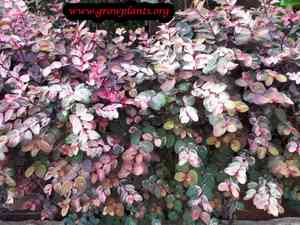
Snowbush (Breynia disticha)
Also known as: Foliage flower, Hawaiian-leaf Flower, Calico Plant
Snowbush (Breynia disticha) is a tropical shrub originating from the western Pacific. It is commonly grown in gardens within frost-free climates. This plant thrives in warm, humid environments with well-drained soil and full sun exposure. Additionally, Snowbush is often pollinated by leafflower moths, which are known to emerge from its fruit.
In This Article
Attributes of Snowbush
Lifespan
Perennial
Plant Type
Shrub
Plant Height
1.2 m to 2.5 m
Spread
90 cm to 1.2 m
Leaf Color
Red Variegated Green Pink Purple
Flower Size
2.5 cm
Flower Color
Green
Images of Snowbush
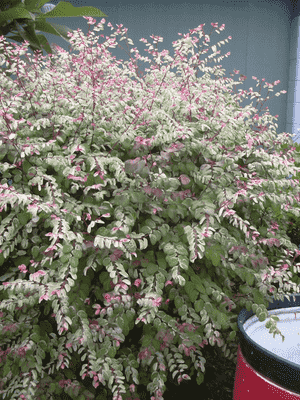
Quickly Identify Snowbush
1
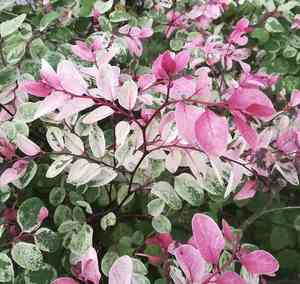
Distinctive red stems provide a striking contrast to variegated foliage.
2
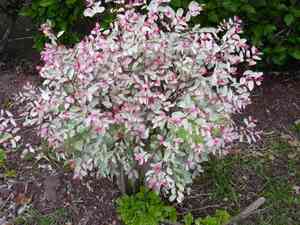
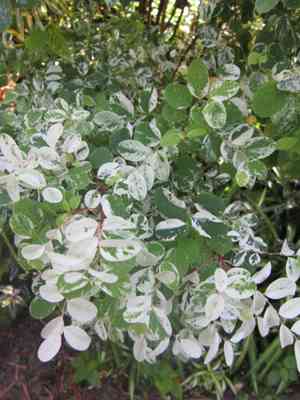
Leaves display intricate patterns of green, pink, and white mottling.
3
Tiny greenish flowers lack petals and occur in axillary clusters.
4
Small red berries with smooth texture, resembling miniature orbs.
5
Thin, wiry stems with vivid red color and zig-zag growth pattern.
Scientific Classification of Snowbush
Phylum
Vascular plants
Class
Dicotyledons
Order
Malpighiales
Family
Leaf-flower
Genus
Breynia
Species
Snowbush
Planting and Growing of Snowbush
Care Difficulty
Easy
Watering Schedule
Every 3 days
Sunlight Requirements
Partial sun
Sunshine Duration
4-8 hours
Ideal Temperature
65-80℉
Soil Type
Potting Mix, Peat Mix
Soil pH
6.5-7.5
Fertilizer Type
Balanced
Pruning Season
Spring, Summer
Pruning Area
Branches, Leaves
Pruning Frequency
2 times a year
Repotting Season
Spring
Pot Type
Terracotta, Plastic
 How to Water Snowbush?
Breynia disticha prefers to be watered thoroughly until the excess starts to drain from the bottom of the pot. The soil should be evenly moist but not waterlogged, ensuring that the roots can breathe. This often translates to about 200 ml per watering, depending on pot size and soil type.
More About Watering Techniques→
What are the symptoms of an underwatered Snowbush?
›
What should I do if my Snowbush is not getting enough water?
›
What are the symptoms of an overwatered Snowbush?
›
How to save an overwatered Snowbush?
›
 What Are the Sunlight Requirements for Snowbush?
Breynia disticha thrives best under partial sun to partial shade conditions. Ideal lighting results in healthier, colorful foliage and supports robust growth by providing the necessary energy for photosynthesis without the stress of overheated conditions.
More About Sunlight Requirements Techniques→
Optimal Sun Exposure
›
Achieving Optimal Conditions
›
Benefits of Ideal Light
›
 What Is the Ideal Temperature Range for Snowbush?
Breynia disticha thrives best within a temperature range of 65°F to 80°F. This range ensures that the plant's metabolic functions, such as photosynthesis and respiration, occur optimally. In this temperature range, the plant exhibits vibrant foliage and robust growth, making it crucial for both visual appeal and plant health.
 What Soil is Best for Snowbush?
Breynia disticha thrives in well-draining soil that prevents waterlogging, which helps avoid root rot. This preference allows the roots to access oxygen easily and maintains a healthy plant growth environment. The soil should be capable of retaining moderate humidity levels, which ensures consistent moisture without saturation. This balance supports the plant’s tropical nature, promoting steady growth. Nutrient-rich soil contributes to the vibrant coloration of Breynia disticha’s leaves. Fertile soil boosts photosynthesis and overall health, ensuring robust foliage and plant vigor.
More About Soil→
 How to Fertilize Snowbush?
Breynia disticha, being a delicate plant, requires moderate fertilization. Typically, using about half the recommended dose of a balanced 10-10-10 liquid fertilizer per session will suffice. For slow-release granules, follow the manufacturer's instructions for dosage but lean towards the lesser side to avoid over-fertilization.
More About Fertilizing Techniques→
 How to Prune Snowbush?
Start by inspecting the plant for any dead, damaged, or diseased branches, and remove them with clean, sharp shears. Focus next on shaping the plant, cutting back overly long or unruly branches to encourage a more symmetrical form. Aim to prune just above a leaf node or outward-facing bud to foster outward growth. To enhance bushiness, regularly pinch back the plant’s tips. This stimulates the nodes below to produce new shoots, resulting in a fuller appearance. For a variegated look, ensure you trim any green shoots to maintain the appealing contrast between the colorful foliage and standard green leaves.
More About Pruning Techniques→
 How to Propagate Snowbush plant?
1
Select a healthy, non-flowering stem with multiple nodes. Cut about 4 to 6 inches, ensuring the cut is clean and just below a node to maximize root development.
2
Use a well-draining mix such as a combination of perlite and peat moss. This ensures the cuttings or seeds won’t become waterlogged, reducing the risk of rot.
3
Place the cutting into the soil mix deep enough to cover the bottom nodes. For seeds, sow them at a depth approximately twice their size and gently cover them with soil.
 How to Repot Snowbush plant?
1
Breynia disticha exhibits a few key signs indicating the need for repotting. If you notice roots growing out of the drainage holes or forming a dense mat on the soil surface, it's time to give your plant a new home. Another cue is when the plant's growth appears stunted or it dries out too quickly between waterings.
2
Select a pot that is about one to two inches larger in diameter than the current one. It should have good drainage holes to prevent water accumulation, which can lead to root rot. This new space will provide ample room for root growth, encouraging a healthier plant.
3
Opt for a well-draining potting mix to ensure proper airflow and moisture regulation. A mix containing perlite, peat moss, or coco coir will work wonders. Such a combination offers excellent drainage and supports healthy root development by allowing excess water to escape easily.
Toxicity
Ingestion
WARNING
The judgment on toxicity and danger is for reference only. We DO NOT GUARANTEE any accuracy of such judgment. Therefore, you SHALL NOT rely on such judgment. It is IMPORTANT TO SEEK PROFESSIONAL ADVICE in advance when necessary.
Learn More About Snowbush Diseases
Anthracnose
Bacterial Leaf Spot
Bacterial Soft Rot
Bacterial Wilt
Black Spot
Chemical Injury
Crown Gall
Damping-off
Downy Mildew
Drought Stress
Fusarium Wilt
Gray Mold
Leaf Curl
Leaf Spot
Mosaic
Nutrient Deficiency
Nutrient Toxicity
Powdery Mildew
Root Rot
Root-knot Nematode
Rusts
Sooty Mold
Spider Mites
Temperature Stress
Thrips Damage
White Mold



