Enhancing Your Garden Design with the Downy birch Plant: A Landscaping Guide
1
The Downy birch provides visual appeal throughout the entire year due to its changing seasonal characteristics.
2
Strategic positioning of Downy birch within your landscape can improve both its beauty and practical use.
3
Caring for Downy birch involves fundamental maintenance to keep it thriving and lively.
Introducing Downy Birch in Garden Design
Appreciating the visual charm of Downy birch
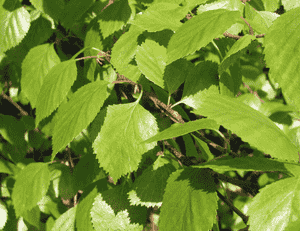
Downy birch is admired for its delightful visual appeal, marked by its delicate, airy foliage and graceful form. The tree's pale bark beautifully contrasts with its green leaves, creating a striking focal point in any garden. It offers a central element that can enhance the overall layout, making your outdoor area feel welcoming and balanced. Whether used alone or mixed with other plants, Downy birch effortlessly elevates your landscape's beauty.
Advantages of incorporating Downy birch into your garden
Beyond its visual allure, Downy birch provides several practical benefits for your garden. It requires relatively little upkeep, making it ideal for both new and experienced gardeners. The tree also boosts biodiversity by offering a habitat for various insects and birds. Furthermore, its root system aids in soil stabilization, preventing erosion and improving soil quality. By including Downy birch, you contribute to environmental sustainability while enriching your garden's ecosystem.
Strategic Placement of Downy Birch in Garden Layouts
Identifying optimal spots for Downy birch in your yard
Selecting the right location for Downy birch is vital for optimal growth and visual harmony. Ideally, position Downy birch where it can be seen and enjoyed, such as along pathways or near seating areas. Ensure ample space for it to reach its full size, both in height and width. Avoid areas with heavy foot traffic to protect its roots, and consider its proximity to other plants to prevent overcrowding.
Balancing sun exposure and shade for optimal growth
Downy birch thrives in areas with partial to full sun exposure. Aim for at least four hours of direct sunlight daily to ensure vigorous growth. However, it's also important to provide some shade during the hottest part of the day to prevent leaf burn. Balancing these light requirements will help Downy birch develop a strong structure and lush foliage, contributing to a vibrant garden landscape.
Complementing Downy birch with other plants
To create a cohesive and attractive garden design, consider pairing Downy birch with complementary plants. Shrubs, perennials, and ground covers with contrasting colors and textures can enhance the overall look. For example, combining Downy birch with brightly colored flowering plants can create a stunning visual contrast. Additionally, incorporating plants that thrive in similar soil and light conditions will simplify maintenance and ensure a harmonious garden environment.
Design Tips for Integrating Downy Birch in Various Garden Styles
Incorporating Downy birch into formal gardens
Formal gardens often feature structured, symmetrical designs. Downy birch can be used to add softness and natural beauty to these precise arrangements. Plant Downy birch in evenly spaced rows along paths or use it as a focal point in geometric garden beds. Its elegant form and attractive bark can add a touch of sophistication without disrupting the formal aesthetic.
Utilizing Downy birch in rustic or woodland settings
In rustic or woodland garden settings, Downy birch seamlessly blends with the natural environment. Mimic the tree's native habitat by planting it among ferns, wildflowers, and other indigenous species. This creates an organic, untouched appearance that evokes a sense of peace and tranquility. Downy birch can also be used to border woodland paths or add height to a naturalistic planting scheme.
Creative ideas for Downy birch in modern landscapes
Modern landscapes often emphasize minimalist and clean lines. Downy birch can be strategically placed to add a natural element without overwhelming the design. Consider using Downy birch as a single specimen tree in a courtyard or at the center of a contemporary garden bed. Its white bark and light foliage can provide contrast against sleek hardscapes and architectural elements, creating a balanced and visually appealing modern garden.
Year-Round Interest: Seasonal Beauty of Downy Birch
Spring and summer appeal of Downy birch
In spring, Downy birch comes alive with fresh green leaves that form a lush canopy. Its foliage remains vibrant throughout the summer, offering refreshing shade and a serene atmosphere. The tree's overall aesthetic during these seasons adds to the garden's lively and inviting ambiance, making it a perfect spot for relaxation and outdoor activities.
Autumn and winter characteristics of Downy birch
As autumn approaches, the leaves of Downy birch transform into a stunning display of yellow, adding a warm glow to your landscape. During winter, even though the leaves may fall, the tree's white bark stands out against the dormant garden. This unique feature ensures that Downy birch remains a visual highlight year-round, providing structure and beauty even in the colder months.
Maintaining the Health and Beauty of Downy Birch
Basic tips for caring for Downy birch in your landscape
To keep your Downy birch looking its best, ensure it receives sufficient water, especially during dry spells. Mulch around the base to retain moisture and regulate soil temperature. Regularly inspect the tree for signs of pests or diseases, and prune any damaged or diseased branches to maintain its health and shape. Fertilizing with a balanced feed in early spring can also promote vigorous growth.
Addressing common challenges in growing Downy birch
While Downy birch is relatively robust, it can face issues like aphids or leaf spot diseases. To combat these problems, use appropriate insecticides or fungicides as needed. Providing proper air circulation by not overcrowding your plants can also help prevent fungal issues. Additionally, ensuring the soil is well-drained and not waterlogged can protect the roots from rot and other moisture-related problems.



