Enhancing Your Garden Design with the Antelope Horns Milkweed Plant: A Landscaping Guide
1
Antelope Horns Milkweed flourishes in either direct sunlight or dappled light, offering flexibility for your garden.
2
Combining Antelope Horns Milkweed with indigenous wildflowers can boost aesthetic value and foster local ecological variety.
3
Antelope Horns Milkweed requires minimal upkeep, making it perfect for eco-friendly garden designs.
Introducing Antelope Horns Milkweed for Garden Design
Why is Antelope Horns Milkweed a good choice for landscaping?
When designing your outdoor space, selecting appropriate plants is key to creating both beauty and ecological balance. Antelope Horns Milkweed, with its distinct traits, stands out as an excellent option. This plant is known for its ability to withstand dry conditions, making it ideal for areas with limited water. It also supports the local ecosystem by attracting crucial pollinators like bees and butterflies, enhancing your garden's health and variety.
The beauty of Antelope Horns Milkweed in outdoor settings
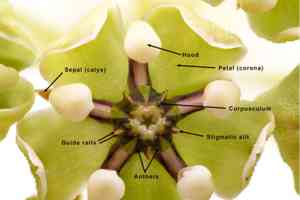
Visually, Antelope Horns Milkweed adds a special charm to any garden. Its intricate blossoms and abundant leaves create visual interest and bring a touch of natural elegance. The plant's unique look, featuring horn-like structures, makes it a talking point and a striking focal point. Whether used in borders, as ground cover, or as a solitary specimen, Antelope Horns Milkweed boosts your landscape's overall appeal.
Selecting the Best Spot for Antelope Horns Milkweed
Things to think about when planting Antelope Horns Milkweed
Choosing the perfect location for Antelope Horns Milkweed involves considering several elements to ensure its thriving and longevity. Soil quality is vital; it flourishes in well-drained, sandy soils that prevent water accumulation. Also, proximity to other plants is important, as it can affect nutrient availability and development. Make sure the area is free from heavy foot traffic to protect the plant's delicate structure.
Understanding its sun and shade needs
Knowing the light requirements of Antelope Horns Milkweed is crucial for optimal growth. This adaptable plant performs well in full sun, where it can receive at least six hours of direct sunlight daily. However, Antelope Horns Milkweed also tolerates partial shade, making it suitable for various garden environments. Pick a spot that matches these light preferences, balancing sun and shade to fit your garden's natural lighting.
Combining Antelope Horns Milkweed with Other Plants
Plants that help Antelope Horns Milkweed grow better
Companion planting can greatly influence your garden's health and visual appeal. Pair Antelope Horns Milkweed with native wildflowers such as coneflowers and black-eyed Susans, which not only complement its beauty but also attract a wide range of pollinators. These plants share similar growing conditions, fostering a harmonious environment that supports Antelope Horns Milkweed's growth and enhances your garden's overall biodiversity.
Design ideas for plant combinations and arrangement
When planning your garden layout, consider integrating Antelope Horns Milkweed into a mixed border or a wildflower meadow. Its distinct appearance makes it an excellent central plant around which other flowers can be arranged. Create layers by placing taller companions behind and smaller ground cover in front, ensuring a smooth blend of colors and textures. Planting Antelope Horns Milkweed in groups can also create visual impact and encourage pollinator activity.
Eco-Friendly Practices with Antelope Horns Milkweed
Water-saving tips for Antelope Horns Milkweed care
As a plant that tolerates drought, Antelope Horns Milkweed needs minimal watering once established. However, during the initial planting phase, ensure consistent moisture to help its roots take hold. Mulching around the base of Antelope Horns Milkweed can help retain soil moisture and reduce water evaporation. Implementing a rainwater harvesting system provides an eco-friendly water source, further promoting sustainable gardening practices.
Using Antelope Horns Milkweed to boost biodiversity
Planting Antelope Horns Milkweed contributes to your garden's ecological health by supporting local wildlife. The plant serves as a larval host for monarch butterflies, playing a vital role in their life cycle. Additionally, its flowers attract various pollinators, including bees and butterflies, aiding in the pollination of nearby fruits and vegetables. By adding Antelope Horns Milkweed to your garden, you foster a thriving ecosystem that promotes biodiversity and sustainability.
Maintaining Year-Round Visual Appeal
Seasonal considerations for Antelope Horns Milkweed
To keep Antelope Horns Milkweed looking good all year, consider the seasonal changes in your garden. In spring and summer, the plant blooms profusely, displaying its unique flowers. As autumn approaches, the foliage may fade, but you can complement it with fall-blooming companions. During winter, Antelope Horns Milkweed goes dormant, so plan for evergreen plants or structural elements to maintain garden interest year-round.
Tips for ensuring lasting visual impact
Regular care can ensure the enduring beauty of Antelope Horns Milkweed in your garden. Removing spent flowers encourages new blooms and keeps the plant looking neat. Pruning back leggy growth helps maintain a compact and attractive shape. Additionally, feeding Antelope Horns Milkweed with a balanced fertilizer in early spring supports healthy growth and vibrant blooms. By following these tips, you can enjoy the visual impact of Antelope Horns Milkweed throughout the seasons.



