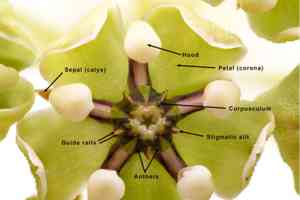
Antelope Horns Milkweed (Asclepias asperula)
Also known as: Spider Antelope Horns
Antelope Horns Milkweed, named for its distinctive seed pods resembling antelope horns, is a favorite among birds, bees, and butterflies. However, it is toxic to both animals and humans and poses a challenge to grow, particularly in containers.
Attributes of Antelope Horns Milkweed
Images of Antelope Horns Milkweed
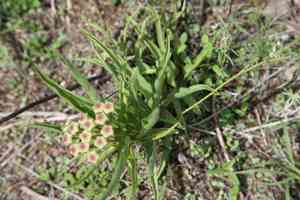
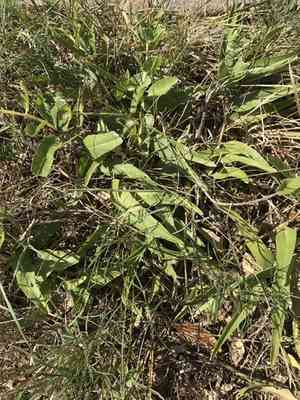
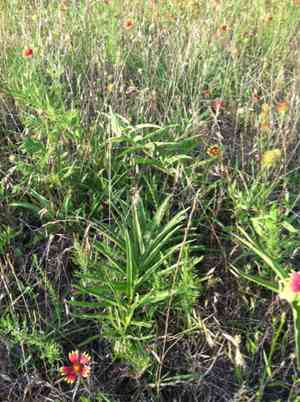
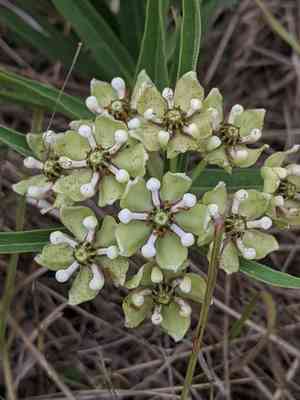
Quickly Identify Antelope Horns Milkweed
Scientific Classification of Antelope Horns Milkweed
Planting and Growing of Antelope Horns Milkweed
 How to Water Antelope Horns Milkweed?
 What Are the Sunlight Requirements for Antelope Horns Milkweed?
 What Is the Ideal Temperature Range for Antelope Horns Milkweed?
 What Soil is Best for Antelope Horns Milkweed?
 How to Fertilize Antelope Horns Milkweed?
 How to Prune Antelope Horns Milkweed?
 How to Propagate Antelope Horns Milkweed plant?
 How to Repot Antelope Horns Milkweed plant?
Toxicity of Antelope Horns Milkweed
Is Antelope Horns Milkweed toxic to humans?
Antelope Horns Milkweed presents a moderate toxicity hazard for humans, as it can potentially trigger allergic responses. Contact with any part of the plant may lead to dermal toxicity, while consumption can result in more severe symptoms due to the presence of galitoxin and cardiac glycosides. These compounds may impact both the heart and nervous system. Symptoms associated with poisoning can encompass nausea, vomiting, weakness, and in extreme cases, irregular heart rhythms. The plant as a whole is toxic, so it is essential to exercise caution to prevent accidental ingestion or handling, given that all its parts contain harmful substances.
Is Antelope Horns Milkweed toxic to cat?
Antelope Horns Milkweed presents a moderate level of toxicity risk to cats. Cats may experience poisoning through contact with or consumption of any part of this plant, as the entire organism contains toxic properties. The harmful compounds, such as galitoxin and cardiac glycosides, can disrupt a cat's heart function, leading to various symptoms that indicate physical distress. It is crucial for cat owners to remain vigilant and prevent any interaction between their cats and antelope Horns Milkweed. If any signs of illness appear, seeking immediate veterinary care is vital, as timely professional intervention is essential in addressing the implications of poisoning.
Is Antelope Horns Milkweed toxic to dog?
The antelope Horns Milkweed is recognized as having a moderate level of toxicity for dogs. Dogs may be exposed to this plant through various methods, such as direct contact or unintentional ingestion. Any part of the antelope Horns Milkweed is toxic and can lead to signs of poisoning in dogs. Symptoms that may arise from exposure to antelope Horns Milkweed include, but are not limited to, vomiting, diarrhea, lethargy, and even more serious cardiac complications due to the presence of harmful compounds like galitoxin and cardiac glycosides. It is essential for dog owners to remain alert and keep their pets away from regions where antelope Horns Milkweed is found. Should there be suspicion that a dog has ingested antelope Horns Milkweed, it is vital to seek prompt veterinary assistance to secure the best possible treatment outcomes for the affected pet.



