Optimal Fertilizer for Growing Camphor tree: What You Need to Know
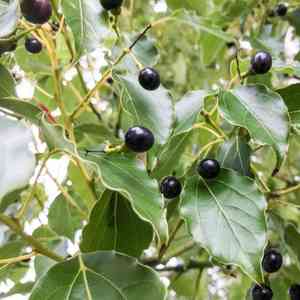
1
The Camphor tree grows quickly, potentially reaching 20-30 meters (65-98 feet) tall.
2
Fertilizing your Camphor tree in spring is ideal, supporting robust development during its active growth phase.
3
After fertilizing, always water your Camphor tree well to ensure even nutrient distribution in the soil.
Understanding the Nutritional Needs of the Camphor tree
Essential Nutrients and Their Functions
The Camphor tree needs various vital nutrients to flourish, including nitrogen, phosphorus, and potassium, commonly known as N-P-K. Nitrogen is crucial for leaf development and overall plant vigor. Phosphorus aids in root growth and flower production, while potassium is key for disease resistance and strong development. A balanced supply of these nutrients ensures your Camphor tree stays healthy and robust throughout its active growth period.
Signs of Nutrient Deficiency in Camphor trees
Early detection of nutrient deficiencies in your Camphor tree is vital for maintaining its health. Common indicators include yellowing foliage, stunted development, and sparse leaf density. For instance, a nitrogen deficit typically causes pale or yellow leaves, while a lack of phosphorus can lead to reduced growth and purple tints on leaf edges. Potassium deficiency often manifests as brown margins on older leaves. Regular inspection and recognizing these signs can help you address nutrient imbalances promptly.
Choosing the Right Fertilizer for Your Camphor tree
Types of Fertilizers Suitable for Camphor trees
Selecting the appropriate fertilizer is essential for your Camphor tree's well-being. It thrives best with a balanced or slightly acidic fertilizer. Look for an N-P-K ratio like 10-10-10 or 12-4-8. These formulations provide a balanced nutrient supply that supports overall growth. Slow-release fertilizers are also beneficial, offering a steady nutrient supply over time, which reduces the risk of over-fertilization.
Organic vs. Synthetic Fertilizers: What's Best?
The choice between organic and synthetic fertilizers depends on your preferences and your Camphor tree's specific requirements. Organic fertilizers, such as compost and aged manure, enhance soil health by adding organic matter and beneficial microbes. They release nutrients gradually, improving long-term soil fertility. Synthetic fertilizers, conversely, offer immediate nutrient availability and are often simpler to apply. Both types have advantages, and a combination can frequently yield the best outcomes.
Best Practices for Fertilizing Camphor trees
How Often Should You Fertilize a Camphor tree?
For optimal growth, fertilize your Camphor tree in the spring, right as the growing season commences. A single application in early spring should be sufficient for the entire growing period. However, if your tree exhibits signs of nutrient deficiency, a second, lighter application in midsummer can be advantageous. It's important to avoid over-fertilizing, as this can lead to nutrient imbalances and growth issues.
Techniques for Applying Fertilizer to Camphor trees
The most effective way to apply fertilizer to your Camphor tree is to spread it evenly on the soil surface around the tree's drip line (the area beneath the outermost branches). Avoid placing fertilizer directly against the trunk, as this can cause root burn. Water the soil thoroughly after applying fertilizer to help dissolve the nutrients and carry them down to the root zone. This ensures the nutrients are accessible to the tree's roots.
Monitoring Camphor tree Health Post-Fertilization
After fertilizing, it's crucial to observe your Camphor tree for signs of improvement or any negative reactions. Healthy new growth, vibrant leaves, and a robust appearance indicate the tree is responding well. If you notice yellowing leaves or stunted growth, it might suggest over-fertilization or other problems like pests or disease. Regular monitoring allows you to adjust your care routine as needed, ensuring your tree remains healthy throughout the season.
Common Fertilization Mistakes to Avoid with Camphor trees
Over-Fertilization: Signs and Solutions
Over-fertilization is a frequent error that can harm your Camphor tree. Signs include leaf scorch, wilting, and a general decline in health. If you suspect over-fertilization, immediately drench the soil with ample water to help flush away excess nutrients. Removing any surface fertilizer can also help mitigate the damage. Moving forward, adopt a more measured approach to fertilization to prevent this issue.
Timing Your Fertilization: When Not to Fertilize
Timing is critical when fertilizing your Camphor tree. Avoid fertilizing in late autumn or winter, as this can stimulate new growth that is susceptible to frost damage. Additionally, do not fertilize during periods of drought or extreme heat, as the tree's ability to absorb nutrients is diminished, and this can lead to further stress. The best time to fertilize is in the spring when the tree is actively growing and can best utilize the provided nutrients.



