The Manchurian wildrice Plant Advantage: Maximizing Home and Office Appeal and Wellness
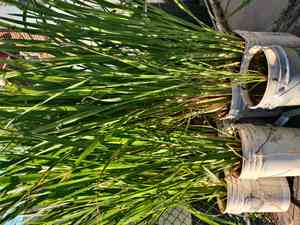
1
Manchurian wildrice is recognized for flourishing in aquatic environments and fostering diverse ecosystems.
2
This vegetation offers a nourishing diet for both people and wildlife.
3
Manchurian wildrice finds application in numerous classic Asian cuisines due to its distinct flavor and consistency.
Ecological Advantages of Manchurian wildrice
How Does Manchurian wildrice Support Wetland Ecosystems?
Manchurian wildrice plays a vital part in wetland ecology. As a native aquatic plant, it serves as a home for numerous fish, bird, and insect species. Its roots help stabilize the soil, reducing erosion, and its presence aids in water purification by filtering pollutants and excess nutrients.
The Role of Manchurian wildrice in Biodiversity
Manchurian wildrice enhances biodiversity by fostering a flourishing environment for various wildlife. Its dense growth provides opportunities for nesting and feeding for birds and aquatic animals. Furthermore, it contributes to the ecosystem's health by promoting a balanced food web, allowing different species to thrive in a shared habitat.
Nutritional Advantages of Manchurian wildrice
What Nutrients Does Manchurian wildrice Provide?
Manchurian wildrice is not only beneficial to the environment; it is also a rich source of nutrients. It contains essential vitamins and minerals such as vitamin C, calcium, and iron. Additionally, it is high in dietary fiber, promoting digestive health. Incorporating Manchurian wildrice into your diet can provide a natural way to boost your nutritional intake.
Culinary Uses of Manchurian wildrice
Manchurian wildrice has been a staple in Asian cuisine for centuries, frequently appearing in soups, stir-fries, and salads. Its unique taste and texture add a distinctive flavor to dishes. The plant can be eaten raw, cooked, or even pickled, offering versatility in culinary applications.
Economic Advantages of Manchurian wildrice
How Does Manchurian wildrice Contribute to the Local Economy?
Manchurian wildrice cultivation has significant economic implications, particularly in rural and wetland areas. It provides income opportunities for local farmers and contributes to food security. Its sustainable farming practices also encourage eco-friendly agricultural methods, supporting long-term economic stability.
The Potential for Eco-Tourism
The natural beauty of Manchurian wildrice thriving in wetlands draws tourists interested in eco-tourism. Visiting these wetlands not only boosts the local economy but also raises awareness about the importance of wetland conservation. Eco-tourism centered around Manchurian wildrice offers educational experiences while promoting sustainable tourism practices.
Cultural and Traditional Significance
What Is the Cultural Importance of Manchurian wildrice?
Manchurian wildrice holds a special place in various cultures, especially in Asia where it is integral to traditional festivals and ceremonies. Its role in cultural rituals highlights its significance beyond mere nutritional and environmental benefits. This cultural connection fosters a sense of community and continuity of traditions.
Traditional Uses in Medicine
While this article focuses on nutritional and environmental aspects, it is worth noting that Manchurian wildrice has been historically utilized in traditional practices for its perceived health benefits. This historical context adds depth to the plant's significance across different cultures and traditions.



