The Coast range mule-ears Plant Advantage: Maximizing Home and Office Appeal and Wellness
1
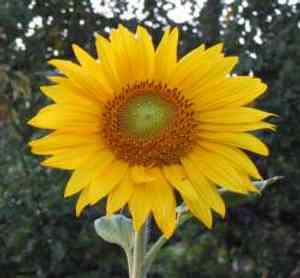
Coast range mule-ears enhance any garden with their bright yellow flowers.
2
It serves as effective ground cover, preventing soil loss.
3
Butterflies and bees are drawn to Coast range mule-ears, assisting with pollination.
What Advantages Does Coast Range Mule-Ears Offer Your Garden?
Improving Soil Health
Coast range mule-ears plays a key role in enhancing soil quality. It aids in preventing soil erosion due to its extensive root system, which firmly anchors the soil. Furthermore, its decomposed leaves serve as a natural fertilizer, enriching the soil with vital nutrients and fostering healthier plant development.
Drawing Beneficial Insects
A significant advantage of including Coast range mule-ears in your garden is its capacity to attract helpful insects. This plant is especially favored by pollinators such as bees and butterflies, which are essential for healthy garden ecosystems. By attracting these insects, Coast range mule-ears helps boost pollination rates, leading to a more vibrant and productive garden.
What Are the Ecological Advantages of Coast Range Mule-Ears?
Fostering Biodiversity
Coast range mule-ears significantly contributes to biodiversity by offering habitat and sustenance for various wildlife species. Its presence encourages a more diverse ecosystem, supporting birds, small mammals, and insects. This biodiversity is crucial for a balanced and sustainable environment.
Improving Air Purity
Coast range mule-ears helps enhance air quality through the natural process of photosynthesis. By absorbing carbon dioxide and releasing oxygen, it contributes to cleaner air. Additionally, the plant's foliage can capture dust particles, lowering air pollution levels in the surrounding area.
Why Should Gardeners Opt for Coast Range Mule-Ears?
Minimal Upkeep Requirements
One of the appealing characteristics of Coast range mule-ears is its low maintenance nature. Once established, this plant needs minimal watering and care, making it an ideal choice for gardeners seeking an easy-to-manage yet attractive addition to their gardens.
Visual Appeal
Coast range mule-ears is also highly valued for its aesthetic charm. The vibrant yellow blossoms brighten any garden, providing a splash of color that lasts throughout the blooming season. Its distinctive, mule-ear-shaped leaves add texture and interest to the garden landscape.
How to Successfully Grow Coast Range Mule-Ears?
Ideal Growth Conditions
For successful cultivation, Coast range mule-ears should be planted in well-drained soil and exposed to full sunlight. Although it is relatively drought-tolerant, ensuring consistent moisture levels during the establishment phase will promote robust growth.
Propagation Methods
Coast range mule-ears can be propagated via seeds or division. For seed propagation, sow the seeds in the fall to benefit from natural winter stratification. Division should be performed in late fall or early spring, allowing roots to establish before the active growing season.
Can Coast Range Mule-Ears Be Incorporated Into Practical Landscapes?
Ground Cover and Erosion Control
Coast range mule-ears is an excellent option for ground cover, especially in areas prone to erosion. Its dense root system not only stabilizes the soil but also helps retain moisture, making it a valuable plant for sloped or uneven landscapes.
Companion Planting
Coast range mule-ears can be effectively integrated into companion planting schemes. It pairs well with other drought-tolerant plants, creating a harmonious and sustainable garden environment. Examples include pairing with native grasses and other perennial wildflowers.



