
Coast range mule-ears (Wyethia glabra)
Also known as: glabrous mule's ears
This perennial herb develops from a robust taproot and a caudex, forming stems that can reach up to 40 cm in height. The leaves feature lance-shaped or oval blades, extending up to 45 cm in length. The plant typically showcases a single flower head per inflorescence, though sometimes it may produce a small cluster of two or more flower heads.
In This Article
Attributes of Coast range mule-ears
Lifespan
Perennial
Plant Type
Herb
Plant Height
30-100 cm
Spread
No specific crown diameter; forms clumps
Leaf Color
Green
Flower Size
5-10 cm
Flower Color
Yellow
Images of Coast range mule-ears
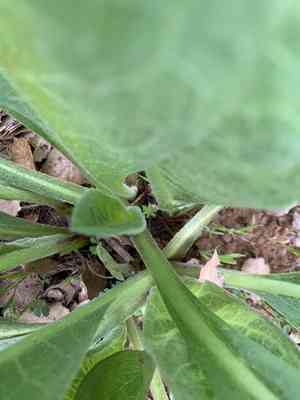
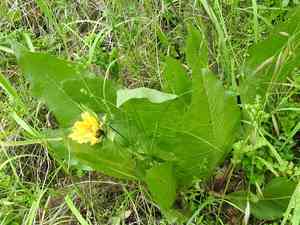
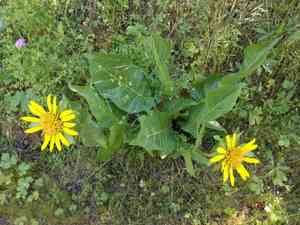
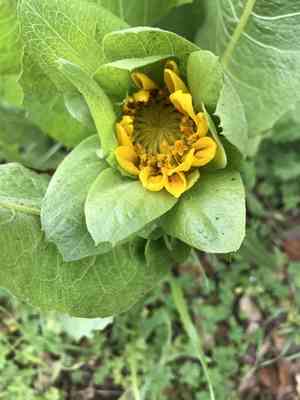
Quickly Identify Coast range mule-ears
1
Wyethia glabra can be identified by its large, lance-shaped leaves that are smooth and glabrous (lacking hair). The flowers are bright yellow and resemble sunflowers, typically blooming in late spring to early summer.
Scientific Classification of Coast range mule-ears
Phylum
Vascular plants
Class
Dicotyledons
Order
Asterales
Family
Daisy
Genus
Mule's ears
Species
Coast range mule-ears
Planting and Growing of Coast range mule-ears
Care Difficulty
Easy
Watering Schedule
Every 4 days
Sunlight Requirements
Full sun
Sunshine Duration
8-12 hours
Ideal Temperature
60-75℉
Soil Type
Potting Mix, Peat Mix
Soil pH
6.5-7.5
Fertilizer Type
Balanced
Pruning Season
Spring, Summer
Pruning Area
Branches, Leaves
Pruning Frequency
2 times a year
Repotting Season
Spring
Pot Type
Plastic, Ceramic
 How to Water Coast range mule-ears?
Wyethia glabra thrives when you water it around 500 ml at each session. The goal is to ensure the soil is moist but not waterlogged. You need to soak the soil thoroughly, allowing the water to reach the root zone without creating standing water, which can suffocate the roots.
What are the symptoms of an underwatered Coast range mule-ears?
›
What should I do if my Coast range mule-ears is not getting enough water?
›
What are the symptoms of an overwatered Coast range mule-ears?
›
How to save an overwatered Coast range mule-ears?
›
 What Are the Sunlight Requirements for Coast range mule-ears?
Wyethia glabra thrives in full sun with consistent exposure throughout the day. This light condition encourages vigorous growth, vibrant foliage, and enhances the plant’s resistance to environmental stresses.
Optimal Lighting Duration
›
Solutions for Achieving Ideal Light
›
Benefits of Ideal Lighting
›
 What Is the Ideal Temperature Range for Coast range mule-ears?
The ideal temperature range for Wyethia glabra, commonly known as smooth mule's ears, falls between 60°F and 75°F. Within this range, the plant can maintain optimal metabolic activities required for growth and reproduction. A stable climate with these temperature conditions encourages development of healthy foliage and productive flowering cycles.
 What Soil is Best for Coast range mule-ears?
Wyethia glabra thrives best in well-drained soil as it prevents root rot by allowing excess water to escape easily. Ensuring good drainage is critical to mimic its natural habitat conditions, promoting healthy plant growth and vitality. This plant prefers soil with moderate fertility, meaning it should not be overly nutrient-rich or poor. Balanced fertility supports its sustainable growth, providing sufficient nutrients for flowering and foliage without overwhelming the plant. While drainage is essential, retaining some moisture in the soil contributes to the plant's health. This balance ensures Wyethia glabra receives adequate water during dry periods, maintaining its vigor without suffering from drought stress.
 How to Fertilize Coast range mule-ears?
For Wyethia glabra, it's important to start with a modest amount of fertilizer, about 1/4th the strength recommended on the fertilizer package, to avoid overwhelming the plant. Increase the concentration gradually if needed.
 How to Prune Coast range mule-ears?
Begin by using clean, sharp pruning shears to remove dead or damaged leaves and stems. Cut back any overly large growth to encourage a fuller shape. It's important to make clean cuts at a slight angle to prevent water from collecting on the cut surface, which can lead to rot. Wyethia glabra tends to grow vigorously. To maintain its shape, selectively thin out branches that cross or overcrowd the plant. Aim to keep an open center for better air circulation, which can help prevent mold and diseases.
More About Pruning Techniques→
 How to Propagate Coast range mule-ears plant?
1
Harvest seeds from mature flower heads in the autumn. Ensure the seeds are fully dry before storing them in a cool, dry place for sowing in spring.
2
Use a well-draining soil mix. If propagating by seed, ensure that the soil is fine and free of large clumps to enable good contact with the seeds. For division, amend the soil with organic matter to support new growth.
3
Sow seeds lightly on the surface of the prepared soil in seed trays. Gently press them down and cover with a thin layer of soil to ensure good soil-seed contact. Maintain moisture levels until germination.
 How to Repot Coast range mule-ears plant?
1
Wyethia glabra should be repotted when you notice roots growing out of the drainage holes, when the soil dries out quickly after watering, or if the plant shows signs of stunted growth. These signals suggest that the plant has outgrown its container and is in need of more space to thrive.
2
Select a pot that is only slightly larger than the current one, preferably 1-2 inches wider in diameter. This ensures that the plant has room to grow without being overwhelmed by excessive soil, which can retain too much moisture and lead to root rot. Opt for pots with adequate drainage holes for optimal water flow.
3
A well-draining loamy mix is ideal. This type of soil provides the right balance of moisture retention and aeration, preventing the roots from becoming waterlogged and ensuring healthy growth. Adding components like perlite or sand can enhance drainage further.
Learn More About Coast range mule-ears Diseases
Anthracnose
Bacterial Leaf Spot
Bacterial Soft Rot
Bacterial Wilt
Black Spot
Chemical Injury
Crown Gall
Cyst Nematode
Damping-off
Downy Mildew
Drought Stress
Fusarium Wilt
Gray Mold
Leaf Curl
Leaf Spot
Mosaic
Nutrient Deficiency
Nutrient Toxicity
Powdery Mildew
Root Rot
Root-knot Nematode
Rusts
Sooty Mold
Spider Mites
Temperature Stress
Thrips Damage
White Mold



